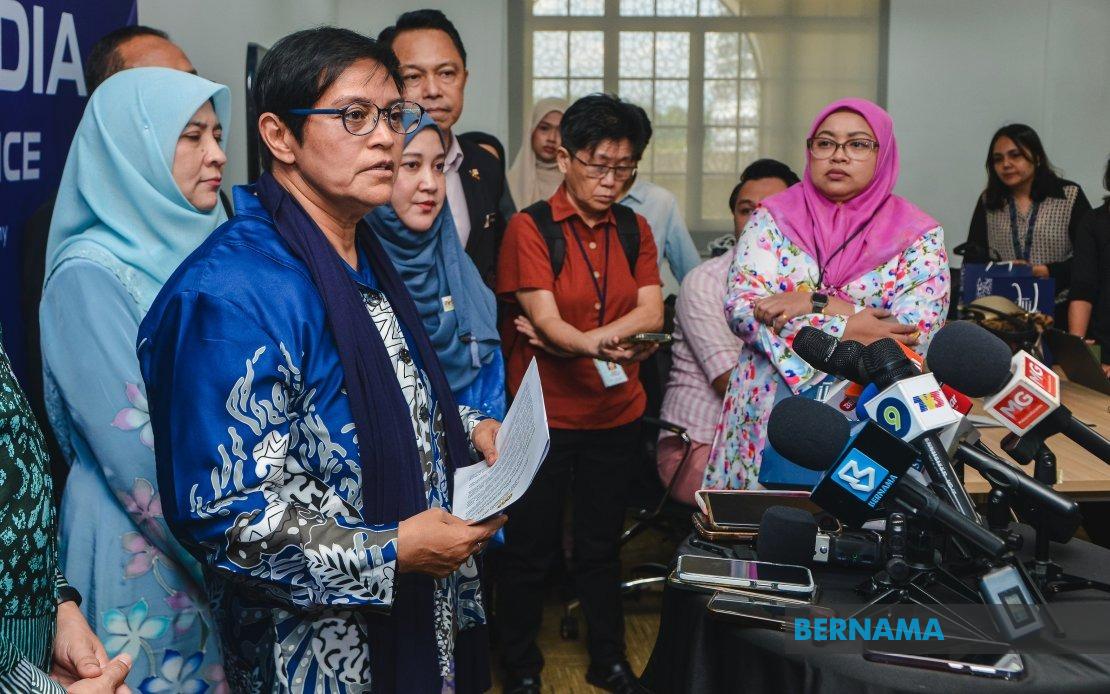
Malaysia's new Anti-Bullying Act 2026 represents a significant departure from conventional criminal law by introducing joint parental liability for harassment committed by minors, marking a fundamental shift in how the nation addresses the escalating bullying crisis affecting young people. The innovative legislative framework, unveiled by Datuk Seri Azalina Othman Said, Minister in the Prime Minister's Department (Law and Institutional Reform), extends accountability beyond the young perpetrator to encompass their entire family unit, a provision that distinguishes this Act from most existing criminal statutes that focus solely on individual culpability.
The inclusion of parental responsibility represents the Act's most transformative element. Rather than treating bullying as an isolated incident involving only the child who committed the offense, the legislation binds family members to the legal consequences, including financial penalties and imposed fines. This approach reflects a deliberate policy decision to leverage family influence and economic incentive as deterrents against bullying behaviour. By making parents financially and legally accountable, lawmakers aim to strengthen supervision within households and encourage families to actively prevent their children from engaging in harmful conduct toward peers.
The jurisdiction of parental liability extends beyond traditional school settings, addressing a critical gap in existing protections. Under the Act, victims may initiate tribunal proceedings for incidents occurring anywhere—whether in educational institutions, hostels, or community spaces—without requiring institutional management approval first. This expansion recognises that bullying frequently occurs in diverse environments beyond formal school boundaries, and young people deserve recourse regardless of where the harassment takes place. The provision effectively democratises access to justice by removing institutional gatekeeping mechanisms that previously prevented many affected individuals from seeking remedies.
Supporting the implementation of this new legal framework, Malaysia has established the Anti-Bullying Tribunal with headquarters operational at the Asian International Arbitration Centre (AIAC) in Kuala Lumpur. The tribunal brings together 56 specialist members comprising legal experts and professionals with expertise in child welfare, psychology, and education—a multidisciplinary approach designed to ensure decisions reflect comprehensive understanding of developmental factors influencing bullying behaviour. This specialised composition distinguishes the tribunal from conventional courts, allowing proceedings to incorporate nuanced perspectives on adolescent psychology and trauma-informed practices.
To enhance nationwide accessibility, the tribunal has implemented a geographically distributed system of six physical and virtual hearing zones strategically located across Malaysia. Rather than requiring complainants to travel to central locations, proceedings may occur at schools, Legal Aid Department offices, or entirely online, significantly reducing logistical barriers that previously deterred victims from pursuing formal complaints. This infrastructure development demonstrates recognition that geographic distance, transportation costs, and inconvenience particularly disadvantage vulnerable populations, including economically marginalised students who comprise a substantial proportion of bullying victims.
The tribunal's digital infrastructure includes a public online portal enabling case registration and complaint submission from any location with internet connectivity. This technological integration acknowledges the digital nature of contemporary bullying, where harassment often originates through social media, messaging platforms, and other electronic channels. By providing digital pathways for complaint submission, the system accommodates the reality that many young people feel more comfortable disclosing incidents through anonymous or semi-anonymous digital interfaces rather than in-person interactions.
Azalina emphasised that the tribunal's establishment directly responds to alarming trends in bullying prevalence and severity, including documented cases resulting in student deaths. The tragic outcomes linked to persistent harassment have catalysed legislative action, reflecting societal recognition that bullying constitutes more than mere social friction among peers—it represents a serious public health and safety concern requiring robust legal intervention. The Act's introduction signals that Malaysian authorities view bullying as sufficiently grave to warrant dedicated institutional responses comparable to those addressing other serious social harms.
The awareness campaign underpinning the Act seeks to fundamentally reshape how young people conceptualise bullying, transitioning from viewing it as normal adolescent behaviour to recognising it as conduct with serious legal consequences. By establishing formal tribunal procedures and publicising parental liability provisions, the government aims to communicate that bullying is not a trivial matter subject to informal school discipline but rather conduct potentially triggering legal proceedings affecting entire families. This messaging shift targets peer culture, attempting to delegitimise bullying within school communities.
The appointment of MARA chairman Datuk Dr Asyraf Wajdi Dusuki to the tribunal launch ceremony underscores government commitment to addressing bullying across diverse demographic segments. MARA's historical focus on supporting Bumiputera communities suggests particular attention to bullying patterns within economically disadvantaged populations, recognising that certain groups may experience disproportionate harassment or possess fewer protective resources. This inclusive approach acknowledges that bullying affects Malaysian society broadly but may manifest differently across socioeconomic and cultural contexts.
For Southeast Asian observers, Malaysia's parental liability framework offers a distinctive policy model diverging from approaches predominant in neighbouring countries. Most ASEAN jurisdictions address bullying primarily through school disciplinary mechanisms or limited criminal provisions focusing on individual perpetrators. Malaysia's decision to implement joint family liability introduces a communal accountability principle that resonates with regional cultural emphases on collective family responsibility, potentially serving as a template for other nations addressing similar bullying crises with approaches reflecting local values.
The legal innovation also raises questions about implementation and potential consequences. Parents whose children engage in bullying face genuine financial exposure through imposed fines, creating incentives for heightened parental monitoring but potentially generating unintended effects such as excessive punishment or criminalisation of family dynamics. Courts and tribunal members will need to navigate circumstances where parental negligence genuinely contributed to bullying versus situations where determined adolescents engaged in harassment despite parental supervision efforts.
Moving forward, the effectiveness of the Anti-Bullying Act 2026 will depend substantially on public awareness, consistent tribunal operations across regional zones, and whether the prospect of parental liability genuinely deters bullying behaviour or merely displaces it into less visible contexts. The tribunal's real test emerges not from its institutional establishment but from demonstrated capacity to investigate complaints thoroughly, render just decisions, and provide meaningful remedies and justice to affected young people throughout Malaysia.