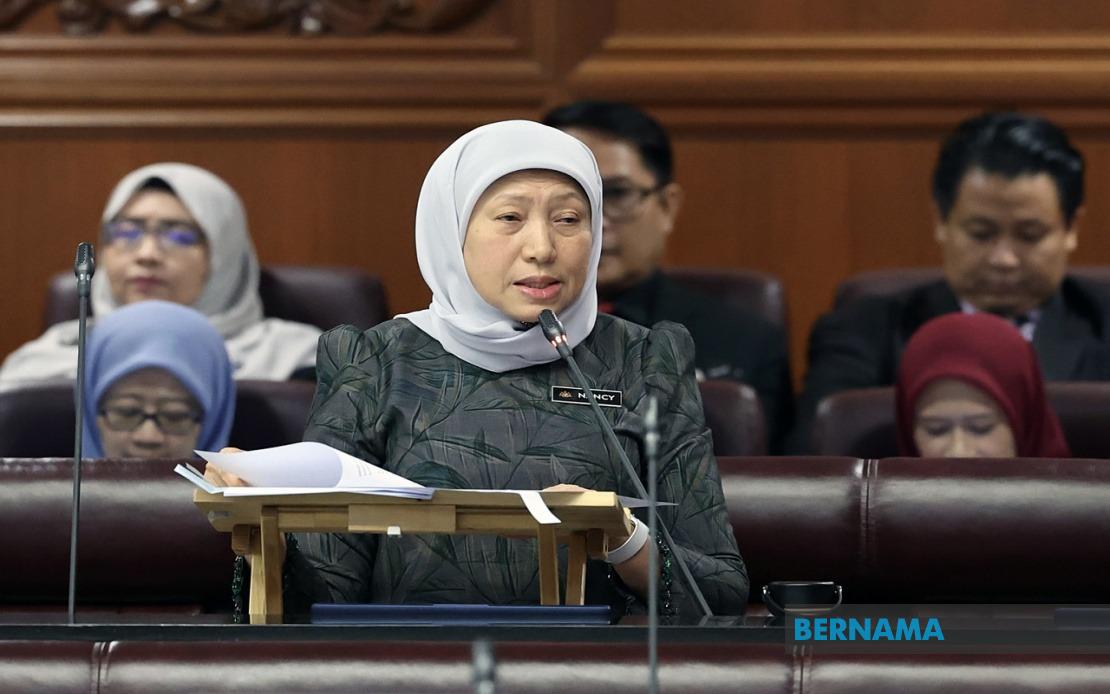
Malaysia is embarking on a significant legislative review of the Child Act 2001, prompted by a comprehensive set of recommendations delivered by the United Nations Committee on the Rights of the Child. The Ministry of Women, Family and Community Development announced the initiative through Minister Datuk Seri Nancy Shukri during a parliamentary session in Kuala Lumpur on July 21, signalling the government's commitment to updating the country's child protection framework in line with international obligations and contemporary safeguarding standards.
The 159 recommendations contained in the UNCRC's Concluding Observations represent a detailed assessment of Malaysia's implementation of the Convention on the Rights of the Child. These recommendations span multiple dimensions of child welfare, from structural legal reforms and enhanced protective mechanisms against abuse to more robust implementation strategies that translate rights into tangible protections and services. The breadth of these observations underscores the UN body's assessment that while Malaysia has made progress, significant gaps remain in how the country translates its legislative commitments into effective on-the-ground outcomes for vulnerable children.
Minister Shukri indicated that the review process will prioritise specific areas identified in the UNCRC's assessment, particularly strengthening the legal framework underpinning the Child Act 2001 and ensuring its provisions are enforced consistently across jurisdictions. The ministry's approach will encompass measures designed to fortify protections for children, improve care standards, enhance rehabilitation services, create meaningful avenues for children's participation in decisions affecting them, and promote overall wellbeing. This holistic framing reflects the UN Convention's principle of the best interests of the child, positioning this not merely as a technical legal update but as a child-centred reform agenda.
Crucially, the minister emphasised that this review will not be conducted in isolation within her ministry. Instead, KPWKM will adopt a multi-agency framework, drawing input and expertise from other government ministries and relevant stakeholders. This collaborative approach acknowledges that child protection extends beyond family affairs into education, health, justice, labour, and other sectors. Siloed policy-making has historically been a weakness in Southeast Asian child protection systems, so this structural commitment to inter-ministerial coordination represents a notable shift in Malaysia's governance approach to this issue.
The specific areas that KPWKM will examine include child protection and reporting mechanisms—critical infrastructure for identifying and responding to abuse and neglect. The review will also scrutinise children's court procedures, with an eye toward ensuring that judicial processes are appropriate for young witnesses and defendants, minimising re-traumatisation while maintaining justice system integrity. Family and community care standards will be evaluated to determine whether current provisions adequately support children unable to remain with biological families, while rehabilitation and follow-up support systems will be assessed for adequacy and accessibility.
Another dimension of the review addresses the clarification and strengthening of stakeholder roles. Parents, guardians, social workers, law enforcement, educators, and other actors in the child protection ecosystem operate within a complex web of responsibilities and authorities. The review will seek to define these functions more precisely and establish clearer lines of accountability, reducing ambiguity that can lead to gaps in protection. This issue is particularly acute in Malaysia's multi-tiered federal system, where state and federal jurisdictions must coordinate effectively.
Cross-agency collaboration stands as a persistent challenge in child protection systems worldwide. Malaysia's review explicitly aims to strengthen mechanisms by which different agencies—from police handling initial abuse reports to social services providing ongoing support to prosecutors pursuing cases—can work seamlessly together. Currently, barriers including incompatible information systems, different agency cultures, and unclear communication protocols can compromise both the efficiency and effectiveness of the system. Enhanced collaboration should improve responsiveness to children's needs and reduce the burden on children of navigating fragmented services.
For Malaysian stakeholders and the broader Southeast Asian region, this review carries implications beyond policy documents. Child protection remains inadequately resourced and sometimes deprioritised in the region's development agendas, despite overwhelming evidence of childhood trauma's long-term societal costs. Malaysia's willingness to undertake a comprehensive, UN-guided review signals that child rights can be moved higher on political agendas when external accountability mechanisms are engaged effectively. This could influence practice in neighbouring countries facing similar pressures and constraints.
The government's framing of this review as a response to international obligations also reflects Malaysia's positioning within the global human rights framework. The country has ratified the Convention on the Rights of the Child and its optional protocols, commitments that generate periodic scrutiny through the UNCRC's review process. This external accountability, while sometimes viewed with domestic political sensitivity, can create space for civil society advocates and concerned officials to push for reforms that might otherwise face resistance. Malaysia's willingness to acknowledge and act on UNCRC recommendations publicly demonstrates engagement with this accountability mechanism.
Implementation timelines and resource allocation will ultimately determine whether this review translates into meaningful improvements for Malaysian children. The sophistication of recommendations can far exceed the capacity or political will to execute them. Historical reviews of child protection legislation in the region have sometimes resulted in modest amendments rather than comprehensive reform. The multi-agency approach signals serious intent, yet coordination difficulties and competing budgetary pressures within government could constrain ambitions.
Civil society organisations focused on child welfare and rights will be watching closely to assess how thoroughly the ministry incorporates UNCRC recommendations, particularly those addressing systemic issues like child labour, trafficking, and children in conflict with the law—areas where gaps between legislation and enforcement remain pronounced. The quality of stakeholder engagement during the review process will significantly influence both the substance of proposed reforms and the likelihood of their effective implementation once enacted.

