Malaysia's drive to modernise government operations has yielded tangible financial results, with the civil service achieving savings of RM1.99 million through its paperless initiative, according to government officials. The initiative has eliminated the need for 116,405 reams of paper across government departments, demonstrating that administrative efficiency and environmental stewardship can advance simultaneously within the public sector bureaucracy.
Chief Secretary to the Government Tan Sri Shamsul Azri Abu Bakar disclosed these figures during a Digital Economy and Fourth Industrial Revolution Council meeting held in the capital, which was presided over by Prime Minister Datuk Seri Anwar Ibrahim. The announcement underscores the government's commitment to embedding digital-first approaches throughout administrative processes, moving beyond traditional paper-based workflows that have long characterised Malaysian public service operations.
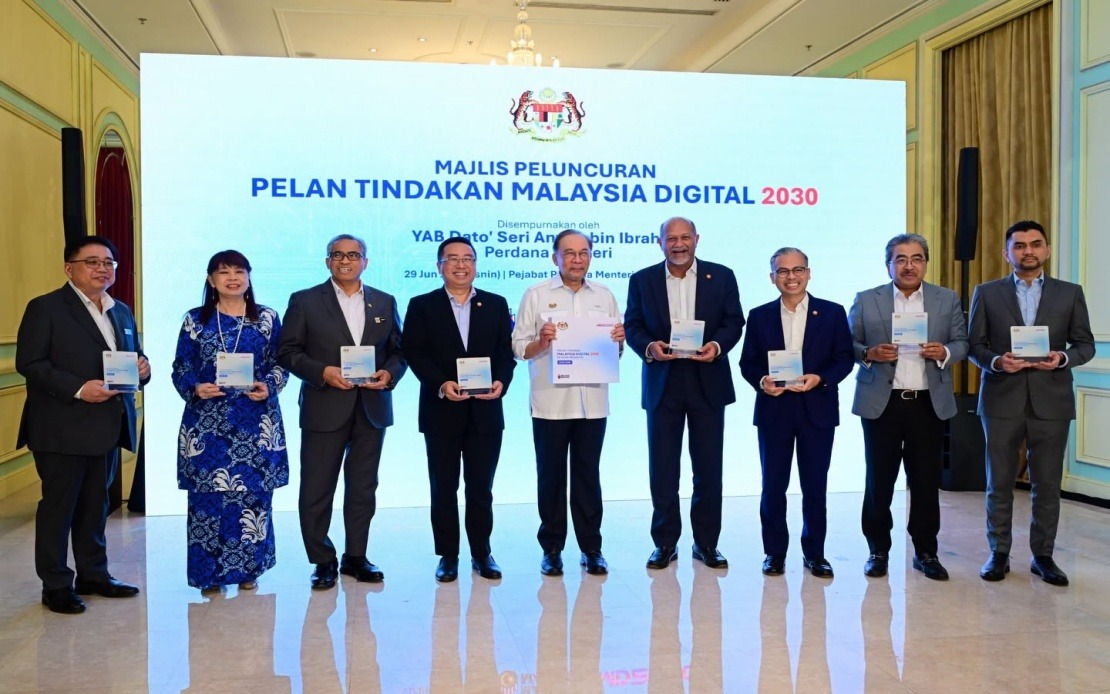
The paperless transition represents a crucial component of the broader digitalisation agenda outlined in Malaysia Digital 2030, a comprehensive strategy unveiled by the Prime Minister during the same meeting. This framework positions the nation to compete effectively in the digital economy while establishing foundational capabilities required for fourth industrial revolution technologies. By embedding digital practices into routine government transactions, the administration aims to create sustainable competitive advantages for the Malaysian economy.
Shamsul Azri, serving as Government Cluster Chairman, highlighted that the meeting focused extensively on two flagship initiatives: MyDigital ID and MyGov. These platforms are designed to streamline citizen interactions with government services and consolidate digital identity verification across multiple touchpoints. The discussion also addressed strategies for extending digital infrastructure and services throughout Malaysia's higher education system, recognising that universities serve as critical hubs for digital talent development and innovation.
The government has also prioritised developing a comprehensive talent pipeline in artificial intelligence through the MyMAHIR National AI Council for Industry. This initiative represents a strategic pivot toward building domestic expertise in AI technologies, reducing dependency on foreign specialists and fostering a knowledge-based economy rooted in local capabilities. Malaysia's ambition to achieve AI Nation status by 2030 requires sustained investment in human capital alongside technological infrastructure.
The paperless initiative's origins trace to early 2024, when civil service leaders announced plans to implement digital-first approaches for straightforward administrative transactions. Beginning in February, government offices began transitioning routine processes—permit applications, internal communications, document approvals—from paper systems to digital platforms. This phased implementation allowed departments to identify operational bottlenecks and refine workflows before expanding the initiative more broadly.
For Malaysian readers and businesses, the government's paperless transformation carries significant implications. Reduced reliance on physical documentation accelerates transaction processing times, potentially shortening waiting periods for permits, licenses, and government services. Citizens interacting with government agencies may increasingly encounter digital submission requirements and paperless record-keeping, necessitating basic digital literacy and internet access. The initiative also signals the government's serious commitment to environmental sustainability goals, aligning public sector operations with global standards for corporate responsibility.
The RM1.99 million cost saving, while substantial, represents only the beginning of anticipated financial benefits from comprehensive digitalisation. As systems mature and more departments adopt paperless workflows, efficiency gains should compound across the civil service. Beyond immediate cost reductions, digital systems generate valuable data on administrative processes, enabling continuous improvement and evidence-based policy refinement. This analytical capacity constitutes an under-appreciated advantage of digital transformation.
However, the success of paperless initiatives across such a vast administrative apparatus depends critically on equitable digital access and adequate technical support for government staff and citizens alike. Rural and lower-income populations may face barriers to digital engagement, potentially creating service disparities. Government agencies must invest in training programmes, establishing digital assistance centres, and maintaining alternative service channels during the transition period to ensure no Malaysians are disadvantaged by administrative modernisation.
The integration of paperless operations with Malaysia Digital 2030 reflects a holistic approach to national digital transformation. Rather than treating administrative efficiency as an isolated objective, the government positions paperless workflows as foundational infrastructure supporting broader digitalisation goals. This integration creates synergies: digital government systems generate the datasets necessary for AI development, while AI capabilities enhance government service delivery through predictive analytics and personalised citizen engagement.
Regional implications emerge from Malaysia's paperless success as well. Southeast Asian governments increasingly confront similar modernisation pressures, and Malaysia's documented results provide evidence that substantial cost savings and operational improvements are achievable through systematic digital transition. The experience offers valuable lessons for neighbouring nations pursuing government digitalisation within comparable institutional environments and resource constraints.
Looking ahead, Malaysia's trajectory toward AI Nation status depends substantially on establishing digital-literate administrative systems capable of leveraging advanced technologies. The paperless initiative builds precisely such capacity, transforming government from a primarily reactive service provider into a dynamic participant in the digital economy. As more civil service processes transition to digital platforms, the nation accumulates the technological sophistication and organisational capability necessary for successfully deploying AI across public services and the broader economy.

