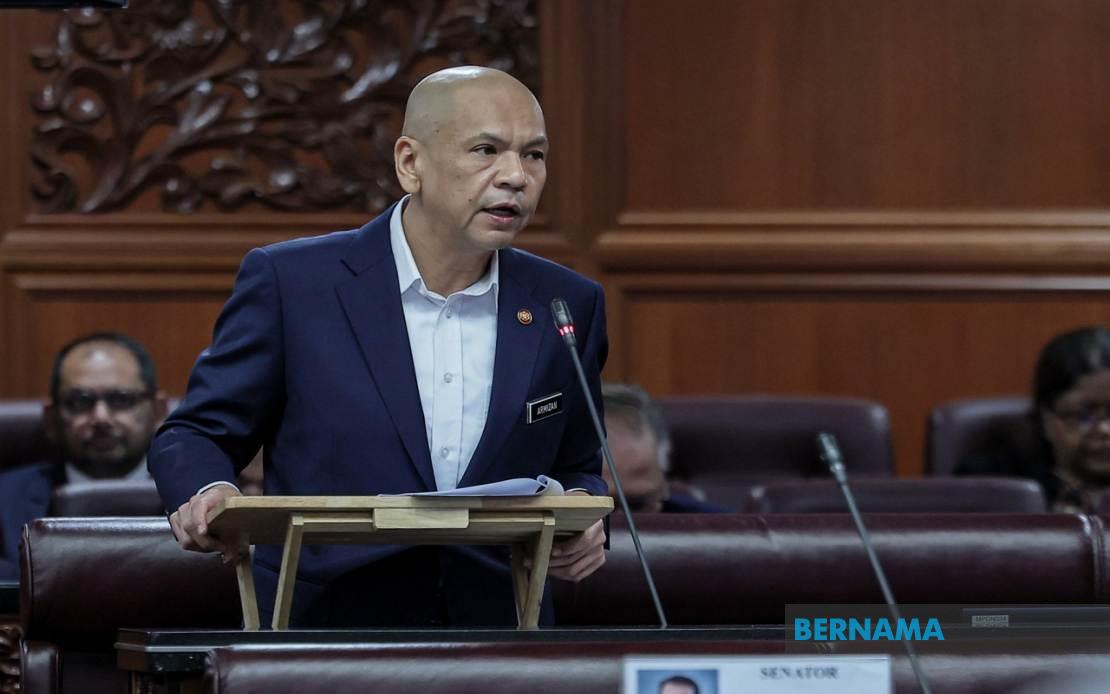
The Domestic Trade and Cost of Living Ministry has initiated parliamentary consideration of sweeping amendments to Malaysia's competition regulatory framework, with Datuk Armizan Mohd Ali tabling the Competition (Amendment) Bill 2026 and the Competition Commission (Amendment) Bill 2026 for first reading in the Dewan Rakyat on June 23. Both measures are expected to advance to second reading during the current parliamentary session, signalling the government's intention to move expeditiously through the legislative process.
The Competition (Amendment) Bill 2026 represents a fundamental reimagining of how Malaysia's competition laws operate and who they protect. At its core, the legislation seeks to fortify multiple dimensions of the Competition Act 2010, with particular emphasis on bolstering the investigative and enforcement capabilities vested in the Malaysia Competition Commission. These enhancements come at a time when regulators globally are grappling with increasingly sophisticated anti-competitive practices, from digital platform monopolies to cross-border cartels that traditional frameworks struggle to address effectively.
One of the most consequential proposed changes involves the scope expansion outlined in Clause 3, which would extend competition law coverage from commercial activities to encompassing all economic activities within Malaysia's jurisdiction. This shift carries profound implications for sectors previously operating at the margins of regulatory oversight, including professional services, utilities, and state-linked enterprises that may have claimed exemptions under narrower legislative definitions. For businesses operating across multiple sectors, this expansion necessitates comprehensive compliance reviews to ensure practices remain competition-compliant across their entire operations.
Clause 7 grants MyCC significantly expanded information-gathering capabilities, enabling the commission to demand data or documentation from any individual or government entity when conducting market reviews authorised under the Competition Act. This provision acknowledges the reality that competitive problems often arise from information asymmetries and that regulators require unfettered access to market data to diagnose and remedy anti-competitive conduct. The practical effect is that government agencies, state-owned enterprises, and private entities must now anticipate potential disclosure obligations whenever MyCC initiates a market investigation.
The Bills also create new criminal offences designed to protect investigative integrity. Clause 13 criminalises the intentional destruction, concealment, defacement, or alteration of data or materials with intent to deceive MyCC or obstruct its investigations. This provision reflects international best practices in competition enforcement, where obstruction of investigations undermines the entire regulatory system. The introduction of criminal liability signals that Malaysia is treating competition enforcement with seriousness comparable to fraud or corruption investigations.
The companion Competition Commission (Amendment) Bill 2026 addresses institutional governance and decision-making within MyCC itself. Clause 8 provides explicit legislative confirmation that MyCC functions as an advisor to the minister, public authorities, and regulatory bodies on competition matters spanning policies, procedures, and programmes. This clarification elevates MyCC's advisory role from administrative practice to statutory obligation, potentially expanding its influence over competition-affecting governmental decisions across energy, telecommunications, transport, and other regulated sectors.
Clause 10 permits MyCC to delegate its functions and powers to its chairman, internal committees, officers, and employees with greater flexibility than previously permitted. This delegation capacity facilitates more efficient case management and allows the commission to specialise expertise by concentrating complex investigations within dedicated teams. For business operators navigating enforcement actions, this means interactions with MyCC may involve specialist officers whose authority to make binding decisions has been explicitly enhanced.
Subclause 12(a) reforms the appointment process for MyCC officers by vesting selection authority directly in the commission itself, acting upon recommendations from the chief executive officer, rather than external appointment mechanisms. This structural change aims to insulate personnel decisions from external political pressures and build institutional meritocracy. The shift carries particular significance given the commission's independence is essential to effective competition enforcement and investor confidence in regulatory fairness.
These amendments reflect Malaysia's evolving appreciation that robust competition protection drives economic efficiency, consumer welfare, and innovation. As the regional economy becomes increasingly integrated with neighbouring markets and global value chains, competition authorities require sophisticated tools to detect and remedy cross-border anti-competitive conduct. The Bills represent recognition that the 2010 legislative framework, while foundational, requires modernisation to address contemporary competition challenges that digital transformation, economic concentration, and globalisation have intensified.
For Malaysian enterprises, these amendments carry operational consequences spanning compliance infrastructure, disclosure protocols, and governance practices. Companies must now anticipate broader investigative reach by MyCC and ensure robust document retention and destruction procedures that demonstrate good faith compliance rather than obstruction. Managers involved in commercial discussions, pricing decisions, and supplier relationships should assume heightened scrutiny of conduct that might previously have fallen outside regulatory attention.
Regionally, Malaysia's approach aligns with competition law developments across Southeast Asia, where countries including Singapore, Thailand, and Vietnam have similarly strengthened enforcement mechanisms. Enhanced competition frameworks contribute to regional economic integration by creating more transparent, predictable legal environments that attract investment and facilitate legitimate cross-border business activity. Malaysian policymakers appear cognisant that competitive disadvantage results not from tough competition enforcement, but from weak or inconsistently applied regulations that create uncertainty.
The parliamentary process now becomes critical as lawmakers assess whether these provisions appropriately balance business operational flexibility with competition protection objectives. Stakeholder submissions during the second reading and committee stages will likely illuminate concerns regarding compliance costs, regulatory clarity, and potential overreach. The legislative outcome will determine the Malaysian competition landscape's shape for the coming decade, affecting investment decisions, merger planning, and competitive strategy across the economy.

