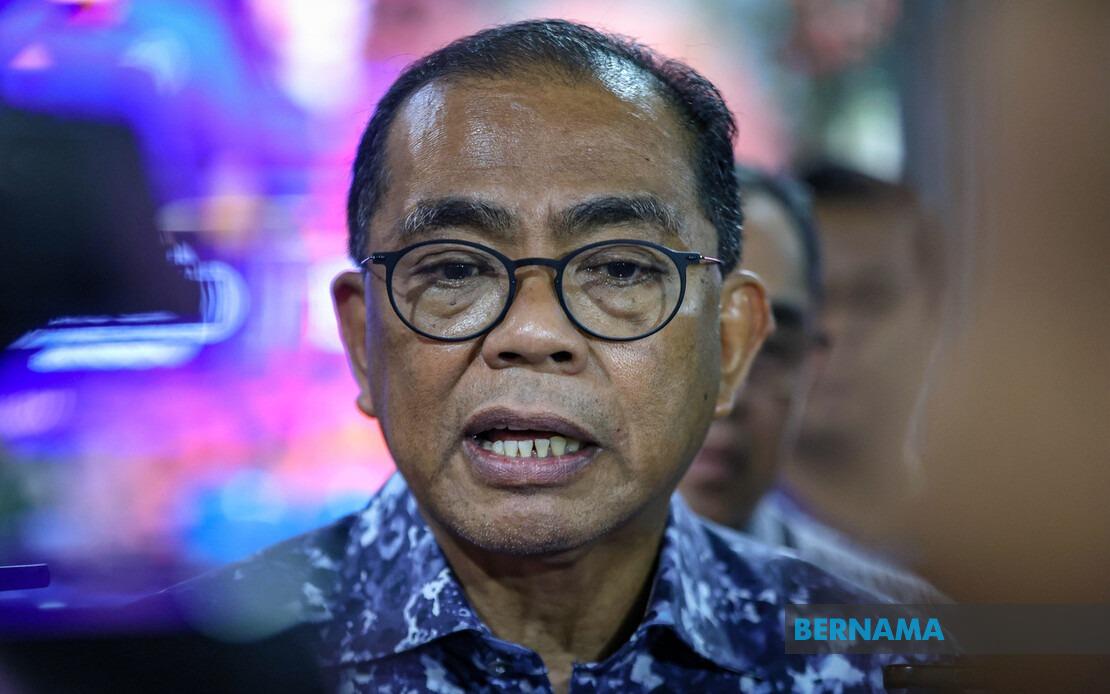
Malaysia's Defence Ministry is driving fundamental changes to how the military manages careers, structures ranks, and compensates personnel, signalling a broader recognition that retaining skilled military talent requires systemic reform aligned with defence modernisation. Defence Minister Datuk Seri Mohamed Khaled Nordin outlined the three-pronged initiative during remarks in Pasir Gudang, revealing that detailed proposals addressing organisational restructuring, career progression mechanisms, and allowance reforms have been forwarded to government and the Public Service Department for review.
The reform agenda reflects an underlying tension within Malaysia's armed forces: capable officers often find advancement blocked not by capability gaps but by structural constraints. Mohamed Khaled identified this bottleneck explicitly, noting that some personnel who meet all competency and performance standards cannot secure promotion because insufficient vacancies exist at higher ranks. This structural mismatch—where individual merit cannot translate into advancement—represents a significant challenge for military recruitment and retention, particularly among younger officers who may seek alternative careers if progression appears stalled.
The Defence Ministry's emphasis on aligning rank structures with actual responsibility levels addresses a problem that extends beyond individual career frustration. Military modernisation requires sophisticated expertise, particularly in defence technology and strategic planning. When organisational rigidity prevents competent officers from advancing, institutions risk losing experienced personnel to the private sector or neighbouring countries. The proposed restructuring therefore serves dual purposes: improving individual career prospects whilst ensuring the armed forces can retain the institutional knowledge and technical expertise necessary for contemporary defence challenges.
Compensation reform represents another critical component of MINDEF's submission. Mohamed Khaled highlighted the distinctive demands placed on military professionals, particularly the requirement to undertake extended training courses spanning nine months to two years. These extended deployments and educational commitments impose unique burdens compared to civilian public service roles. The Defence Ministry argues that special allowances reflecting this distinctive operational reality should form part of remuneration policy, recognising that military service encompasses obligations civilian positions do not demand.
These proposals build upon momentum established through Malaysia's 2022 Defence White Paper, which initiated systematic examination of armed forces modernisation. MINDEF has maintained consistent advocacy for talent management improvements since that document's release, reflecting institutional persistence in advancing necessary reforms. The remuneration submissions themselves were lodged with JPA in March of the preceding year, indicating that these are not hastily conceived responses but rather carefully developed proposals reflecting extended consideration.
Critically, Mohamed Khaled emphasised that accelerated promotion pathways, whilst under consideration, would remain anchored in meritocratic principles rather than automatic advancement systems. Any expedited promotion mechanism would continue evaluation against performance metrics, demonstrated competency, integrity standards, and organisational requirements through established assessment procedures. This insistence on maintaining merit-based criteria reflects awareness that any system perceived as permitting advancement outside established standards could undermine military discipline and operational effectiveness.
The Defence Ministry's initiatives align with Prime Minister Datuk Seri Anwar Ibrahim's recent announcement regarding in-principle agreement to streamline and expedite promotion procedures for both armed forces and Royal Malaysia Police personnel, bringing their advancement pathways into closer harmony with broader public service schemes. This government-level commitment suggests that reform enjoys backing beyond the Defence portfolio, enhancing prospects for implementation. Further details concerning the revised promotion mechanism are scheduled for announcement during the Ambang Merdeka celebration at Stadium Merdeka, Kuala Lumpur on August 30.
From a regional perspective, these Malaysian developments reflect broader Southeast Asian trends. Military modernisation across the region increasingly depends upon retaining technically sophisticated personnel capable of operating advanced systems and contributing to strategic planning. Neighbouring countries face similar retention challenges. Singapore, Thailand, and Indonesia have all implemented various reforms to military compensation and career structures. Malaysia's initiatives, therefore, represent both response to domestic imperatives and implicit recognition that regional defence competitiveness demands modern human resource practices.
The budgetary dimension reinforces government commitment to implementation. The administration has pledged increased Defence Ministry allocation under Budget 2027 specifically to strengthen armed forces capabilities and enhance security personnel welfare. This financial commitment, coupled with systemic reform proposals, suggests that rhetoric regarding military modernisation translates into concrete resource allocation. Budget increases prove meaningless without corresponding reforms enabling effective deployment of additional resources; conversely, structural reforms require adequate funding to take effect.
For Malaysian military personnel, these developments offer potential improvements across multiple dimensions. Career advancement opportunities could widen as organisational structures adjust to reflect operational realities. Compensation enhancements might better reflect the distinctive demands of military service. Extended education and training support could strengthen professional development pathways. Collectively, these changes signal institutional recognition that military service, whilst fundamentally different from civilian employment, should nonetheless offer career prospects and compensation systems befitting the unique obligations imposed.
The implementation timeline remains uncertain, however. Whilst announcements suggest momentum, bureaucratic processes typically extend timelines between proposal and implementation. The August 30 announcement will prove significant in clarifying whether initiatives move beyond consideration into definitive implementation. Personnel across the armed forces will be observing closely whether government commitment translates into concrete changes or remains aspirational.
Ultimately, MINDEF's comprehensive reform proposals reflect recognition that military modernisation encompasses human dimensions alongside technological ones. Advanced weapons systems and strategic capabilities depend fundamentally upon attracting and retaining skilled personnel. Malaysia's Defence Ministry has clearly concluded that existing career structures and compensation arrangements create unnecessary friction in this retention challenge. Whether government processes deliver effective implementation will determine whether these initiatives genuinely transform military human resource management or represent statements of intent without substantive institutional change.

