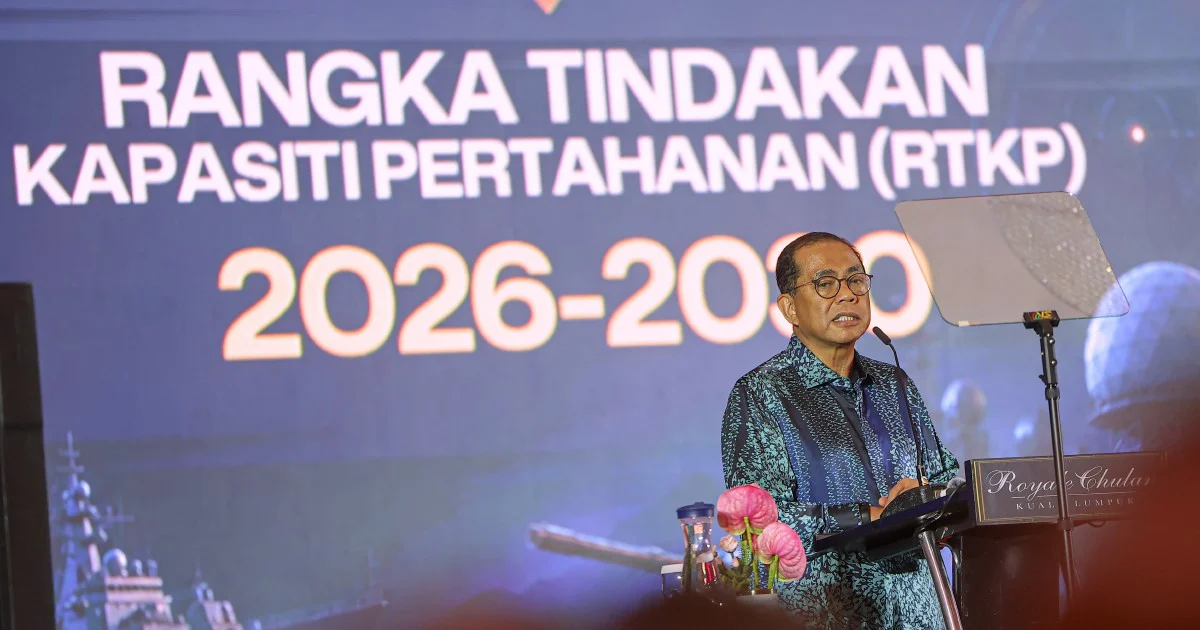
Malaysia's Defence Ministry has signalled its preparedness to tackle the fallout from Norway's decision to withdraw from a missile supply agreement central to the country's ambitious Littoral Combat Ship programme, Defence Minister Datuk Seri Mohamed Khaled Nordin announced this week. The statement marks an important shift in tone regarding a dispute that had threatened to complicate defence procurement efforts in the region.
The revocation of the Norwegian contract represents a significant setback for Malaysia's maritime capabilities expansion, as the LCS project forms a cornerstone of the country's naval modernisation strategy. The vessels, intended to enhance coastal and near-shore defence capacity, were designed to be equipped with advanced missile systems sourced from Scandinavia. Norway's withdrawal has forced Malaysian defence planners to reassess acquisition timelines and explore alternative solutions for arming the ships effectively.
Minister Khaled's public acknowledgement of the government's willingness to engage constructively signals that Malaysian authorities do not view the situation as a permanent impasse. Rather than escalating tensions or pursuing confrontational diplomatic channels, the Defence Ministry appears to favour dialogue-based approaches that could potentially restore or modify the commercial relationship. This pragmatic stance reflects awareness within the Malaysian government that maintaining cordial defence relationships is crucial for regional stability.
The LCS initiative itself carries considerable political and strategic weight beyond military considerations. The project represents a significant capital investment, with multiple vessels at various stages of construction or planning. Any disruption to weapons acquisition directly affects the operational readiness timeline and the return on investment for Malaysian taxpayers. Officials must therefore balance technical requirements with fiscal responsibility while navigating complex international procurement regulations and political sensitivities.
Norway's original decision to cancel the arrangement raises broader questions about the reliability of defence partnerships and the political influences shaping weapons transfers in the modern era. Scandinavian nations maintain stringent defence export controls influenced by human rights considerations and foreign policy alignments. Understanding Norway's specific rationale for the cancellation remains important for Malaysian policymakers seeking to restructure any future arrangement and avoid similar situations with other suppliers.
From a regional perspective, Malaysia's experience underscores the interconnectedness of global defence supply chains and the vulnerability of nations dependent on external sources for advanced weaponry. Southeast Asian countries increasingly recognise the strategic importance of diversifying supplier relationships rather than concentrating procurement authority in a single nation or political bloc. Malaysia's situation may prompt other regional states to examine their own defence agreements for potential fragility.
The Defence Ministry's proactive stance also reflects acknowledgement that diplomatic engagement remains more productive than public blame-shifting or escalating rhetoric. Minister Khaled's measured approach suggests the government is prepared to invest time and political capital in restoring the relationship or exploring compromise solutions that satisfy both parties' underlying concerns. Such maturity in defence diplomacy contributes to broader regional confidence-building efforts.
Alternatively, Malaysia may pursue solutions through third-party intermediaries or consider acquiring comparable missile systems from other established suppliers such as European nations or regional partners. The willingness to resolve the Norwegian situation does not necessarily preclude parallel efforts to identify and evaluate substitute technologies. This multi-track approach provides flexibility should negotiations with Oslo stall or prove unproductive.
The broader context of maritime security in Southeast Asia adds urgency to resolving equipment gaps in Malaysia's LCS programme. As regional waters experience increased commercial and strategic activity, nations must maintain credible naval capabilities to protect national interests and contribute to freedom of navigation. Delays in arming modern vessels create temporary vulnerabilities that other powers might exploit or that might undermine Malaysia's capacity to respond to contingencies.
Minister Khaled's statement, while carefully worded and avoiding specific details about negotiating positions or timelines, represents a significant message to both domestic and international audiences. Domestically, it assures the public and parliament that the government retains agency and initiative regarding defence matters. Internationally, it signals to Norway and other potential partners that Malaysia remains a reliable, measured actor interested in constructive solutions rather than reactive confrontation.
Successfully resolving this dispute will require patience from both governments and may necessitate creative compromises regarding pricing, delivery schedules, or technical specifications. The ultimate resolution could establish useful precedents for managing other defence procurement challenges across the region, particularly as Southeast Asian nations continue investing substantially in naval modernisation.
Moving forward, the effectiveness of Malaysia's approach will be judged not merely by whether an agreement is restored with Norway, but by whether the government simultaneously develops contingency strategies ensuring the LCS fleet ultimately achieves full operational capability regardless of external constraints. The Defence Ministry's demonstrated flexibility on the Norwegian issue must be matched by strategic planning that reduces future vulnerability to similar supply disruptions.

