Malaysia's fire prevention authorities have sounded an urgent alert about the hidden dangers lurking in everyday charging habits, revealing that unsafe device charging practices have ravaged homes across the nation and destroyed nearly RM14.2 million in property over the past three years. The Bomba fire department documented 59 separate incidents between 2023 and 2025 where faulty chargers, negligent practices and substandard electrical accessories sparked destructive household blazes, underscoring a persistent gap between consumer awareness and the technical realities of electrical safety in Malaysian homes.
The geographic distribution of these fire losses paints a concerning picture of vulnerability across multiple states. Sarawak emerged as the hardest-hit region, where 11 incidents alone resulted in approximately RM9,707,956 in damages—a figure that dwarfs losses recorded elsewhere and represents nearly 68 percent of the national total. Kelantan followed with 17 cases generating RM1,147,400 in destruction, while Sabah experienced three incidents costing RM806,800. The concentration of major losses in East Malaysia suggests either higher exposure to unsafe charging practices, increased adoption of unregulated electrical products, or possibly variations in building construction standards that amplify fire spread potential.
The remaining affected states reveal a more dispersed pattern of smaller but still significant incidents. Selangor recorded five cases worth RM661,040 in losses, Penang experienced nine incidents totalling RM537,125, and Johor saw two cases amounting to RM470,000. Putrajaya, Melaka, Terengganu and Perak registered between one and five cases each, with Putrajaya's single incident causing RM387,000 in damage. Notably, six states—Kedah, Negri Sembilan, Pahang, Perlis, Kuala Lumpur and the federal territory of Labuan—reported no recorded incidents during this period, though fire department officials caution that absence of reported cases does not necessarily indicate absence of risk. The national toll becomes even more striking when considered alongside the fortunate fact that no fatalities occurred across any of these 59 incidents, suggesting that while property damage proved severe, the fires were detected and contained before claiming lives.
The fire department's investigation process reveals the technical complexity hidden beneath what may appear as straightforward domestic accidents. Officials emphasise that each incident requires individualised assessment rather than simplified categorisation based purely on financial losses or fire size. The investigation methodology demands careful attention to multiple variables: the precise location where fires originated, the specific devices involved, the quality of physical evidence surviving the flames, immediate safety hazards present at fire scenes, and intricate technical data requiring specialist analysis. This layered approach reflects growing recognition among fire safety experts that understanding why fires start requires far more than basic forensics.
Paradoxically, the most resource-intensive and challenging investigations often involve smaller fires rather than massive conflagrations. Cases generating extensive technical complexity through limited or heavily damaged evidence frequently demand more investigative hours than larger blazes where causation remains obvious. Bomba's investigators must sometimes work with burned fragments and residual clues to reconstruct the sequence of events, a process requiring both rigorous methodology and seasoned professional judgment. This reality underscores why fire prevention must remain a priority—once fires start, investigation and recovery become far more difficult than prevention ever could be.
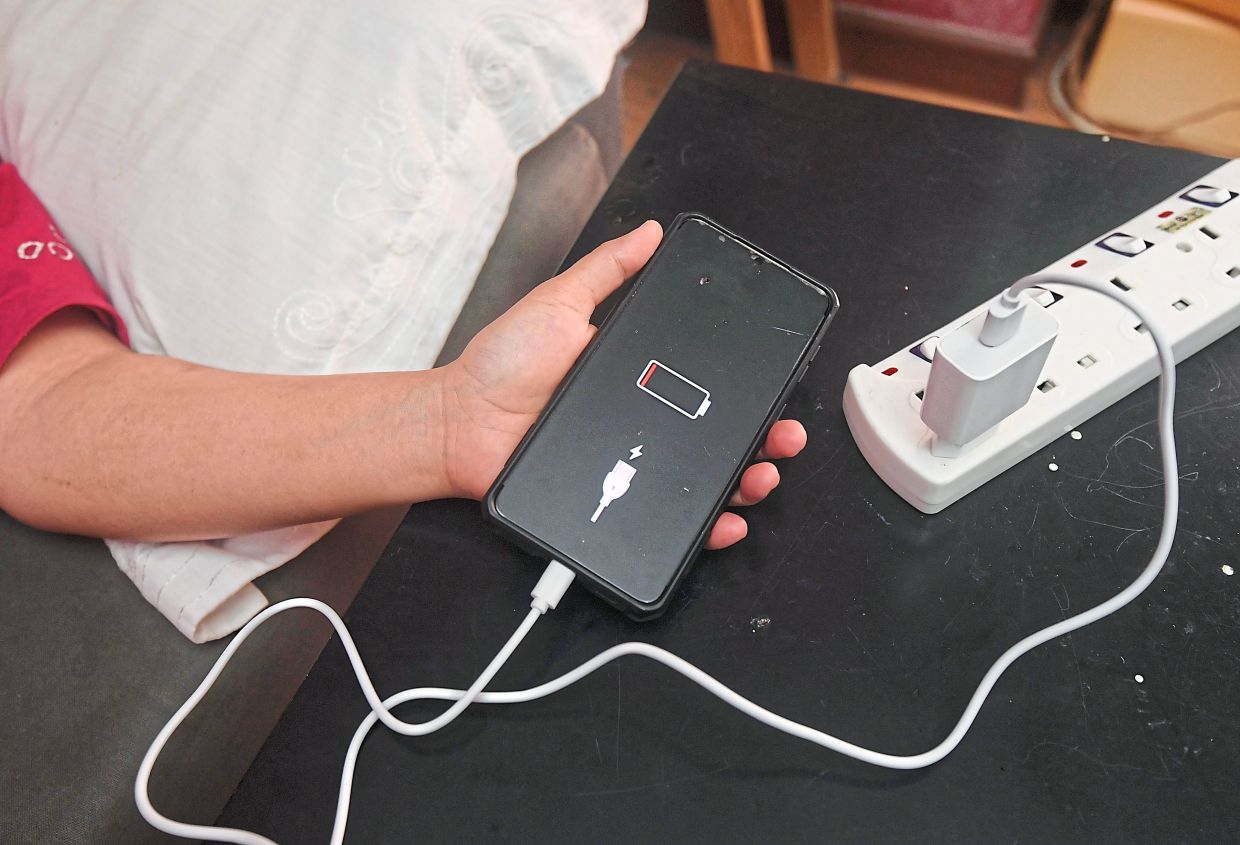
The root causes identified through systematic investigation point toward consistent patterns in consumer behaviour and product quality. Bomba investigators documented that leaving devices charging unattended overnight represents perhaps the most prevalent risky practice, creating hours during which thermal problems can develop unnoticed. The use of non-certified chargers and cables emerged as a secondary major factor, reflecting how cost-cutting decisions in the supply chain directly translate to household fire risk. Perhaps most alarmingly, many residents routinely charge devices directly on soft furnishings—mattresses, pillows, sofas and blankets—which ignite readily once heat exceeds ignition thresholds, turning bedside charging habits into potential incendiary scenarios.
Beyond these behavioural factors, the condition of devices themselves presents serious hazards that residents frequently overlook or ignore. Swollen batteries, devices that overheat during normal operation, burning smells emanating from chargers, and visibly damaged cables all signal that equipment has degraded beyond safe operating parameters. Yet Bomba's experience indicates many users continue charging devices displaying these clear warning signs, apparently gambling that problems will not manifest during their particular usage cycle. Overloaded power strips compound these risks by forcing electrical systems beyond safe capacity, generating heat accumulation within plug clusters and potentially triggering fires that destroy far more than single devices.
The fire department's analysis reveals a troubling consumer tendency to prioritise immediate cost savings over long-term safety outcomes. Cheaper chargers, knockoff cables and unverified electrical accessories flood Malaysian markets, creating affordability barriers that encourage users to select unsafe equipment. Many consumers either remain unaware that safety certification systems exist or view SIRIM approval and equivalent standards as unnecessary expenses rather than essential protective features. This attitudes gap between cost consciousness and risk awareness represents one of the fire department's most persistent challenges, as education campaigns compete against the powerful economic incentives driving people toward cheaper alternatives.
Fire prevention officials have identified SIRIM certification and equivalent internationally recognised safety approvals as the practical baseline for consumer protection, yet significant portions of Malaysia's electrical accessory market continues selling uncertified products. The regulatory environment, consumer awareness initiatives, and retailer practices have not yet aligned sufficiently to make certified equipment the automatic default choice. Bomba has consequently shifted toward intensive public education efforts designed to reframe device charging from a mundane utility into a conscious safety decision point where each moment presents choices between risky and secure practices.
Looking forward, the fire department has committed to sustained public awareness campaigns that extend beyond simple warnings into comprehensive fire safety education addressing the technical reasons why certain practices prove dangerous. Strategic partnerships with relevant agencies—potentially including consumer protection authorities, electrical safety regulators, retailers and device manufacturers—offer opportunities to address the problem from multiple angles simultaneously. Prevention-focused outreach targeting schools, residential communities and workplaces aims to reshape cultural attitudes toward electrical safety before incidents occur. The RM14.2 million in losses across three years represents not merely property destruction but a measurable consequence of prevention failures, making the case for intervention investments that cost far less than the damages they prevent.