The Health Ministry is nearing completion of structural reforms designed to dismantle bureaucratic impediments that have slowed the development of medical specialists in Malaysia. At a Putrajaya press conference on June 19, Health Minister Datuk Seri Dr Dzulkefly Ahmad disclosed that senior officials have identified specific bottlenecks requiring urgent intervention to accelerate specialist recruitment and training across the healthcare sector. The ministry's recognition of these administrative constraints marks a pivotal moment in addressing a persistent challenge that has complicated Malaysia's efforts to strengthen its medical workforce and bolster public health capacity.
The acknowledged shortage of approximately 11,000 medical specialists nationwide represents a critical deficiency that extends across both government and private healthcare institutions. This shortfall has emerged as a central concern for policymakers navigating the mounting pressures on Malaysia's healthcare infrastructure, particularly as patient volumes continue to expand and the complexity of medical care increases. The scale of the gap underscores not merely a staffing issue but a fundamental limitation affecting the ministry's capacity to deliver comprehensive specialist services to communities throughout the country. Addressing this deficiency requires coordinated action encompassing training pathways, institutional support, and strategic workforce planning.
Dr Dzulkefly's statement acknowledges the reality of bureaucratic obstacles while signalling ministerial commitment to their resolution. Rather than dismissing concerns about administrative delays, the health minister explicitly recognised that such constraints exist and require systematic attention. This transparency suggests that the ministry has conducted internal audits identifying specific procedural impediments—whether in licensing, accreditation, training programme approval, or credential recognition—that have previously hindered specialist development. By naming the problem publicly, the minister has indicated that solutions are being actively formulated and are approaching finalisation.
The ministry's approach reflects a carefully calibrated strategy linking specialist expansion directly to healthcare infrastructure improvements. Dr Dzulkefly emphasised that increasing specialist numbers cannot proceed in isolation from facility development; rather, the two initiatives must advance in parallel alignment. This integrated planning philosophy recognises that deploying additional specialists without corresponding improvements to operating theatres, diagnostic facilities, beds, and supporting infrastructure would create new bottlenecks and frustrate recruitment efforts. Consequently, specialist workforce expansion is being implemented in sequential phases, with each cohort of newly trained doctors matched to available institutional capacity.
This phased development model is informed by Malaysia's current operational priorities and anticipated future healthcare demands. Rather than establishing arbitrary targets disconnected from real-world implementation capacity, the ministry is anchoring specialist recruitment to identified gaps in specific disciplines and geographic regions. Such prioritisation ensures that limited training resources and facilities are directed toward areas of greatest need, maximising the health system's ability to address critical service gaps. The approach acknowledges that Malaysia cannot immediately eliminate the 11,000-specialist deficit but can systematically reduce it through coordinated, sustained effort.
While longer-term solutions are being formalised, the ministry has deployed interim measures to sustain service continuity amid workforce pressures. The cluster crisis management system represents a pragmatic response enabling hospitals and clinics within regional clusters to coordinate personnel deployment based on immediate operational requirements. This collaborative framework permits temporary redeployment of medical staff between facilities, allowing resource-constrained institutions to access specialist expertise when urgent clinical needs arise. The approach recognises that rigid staffing arrangements divorced from actual demand patterns would exacerbate service shortcomings and burnout among overstretched healthcare workers.
The redeployment and reorganisation of personnel within clusters simultaneously acknowledges the genuine pressures facing Malaysia's medical workforce. Healthcare professionals operating within constrained systems frequently experience elevated stress, extended working hours, and limited opportunities for professional development. By implementing cluster-based flexibility, the ministry can distribute workload more equitably while maintaining service standards. This intermediate solution buys time for more comprehensive reforms to take effect while demonstrating that leadership understands frontline challenges and is taking concrete action.
For Malaysian healthcare consumers, these developments signal that the Health Ministry recognises the specialist shortage as a pressing issue requiring urgent intervention. The explicit commitment to resolving bureaucratic obstacles suggests that patients may experience shorter delays in accessing specialist consultations and procedures in coming months and years. However, the phased implementation approach indicates that resolution will not be instantaneous; rather, gradual improvements should become evident as new specialists complete training and assume positions within the system. Patients in regions targeted as priority areas may see benefits sooner than those in other locations.
The bureaucratic constraints Dr Dzulkefly referenced likely encompass multiple domains affecting specialist development. Training programme accreditation processes may require streamlining to accelerate the approval of new medical education initiatives. Credential recognition procedures might need updating to facilitate faster integration of newly qualified specialists into healthcare facilities. Licensing timelines could be compressed without compromising quality oversight. Pathway clarity for medical graduates pursuing specialist training may require standardisation to reduce confusion and administrative delays. Addressing these interconnected obstacles requires coordinated action across multiple ministry departments and potentially external regulatory bodies.
Singapore and other regional neighbours have demonstrated that systematically dismantling specialist training barriers can yield significant workforce expansions within five to ten-year timeframes. Malaysia's acknowledgement that such improvements are achievable and actively being pursued suggests policy learning from regional examples. The emphasis on aligning specialist development with infrastructure expansion reflects sophisticated workforce planning that recognises supply and demand must remain balanced. For the Malaysian healthcare sector, successful implementation of these reforms could meaningfully narrow the specialist gap while positioning the country's medical system to address future demand growth.
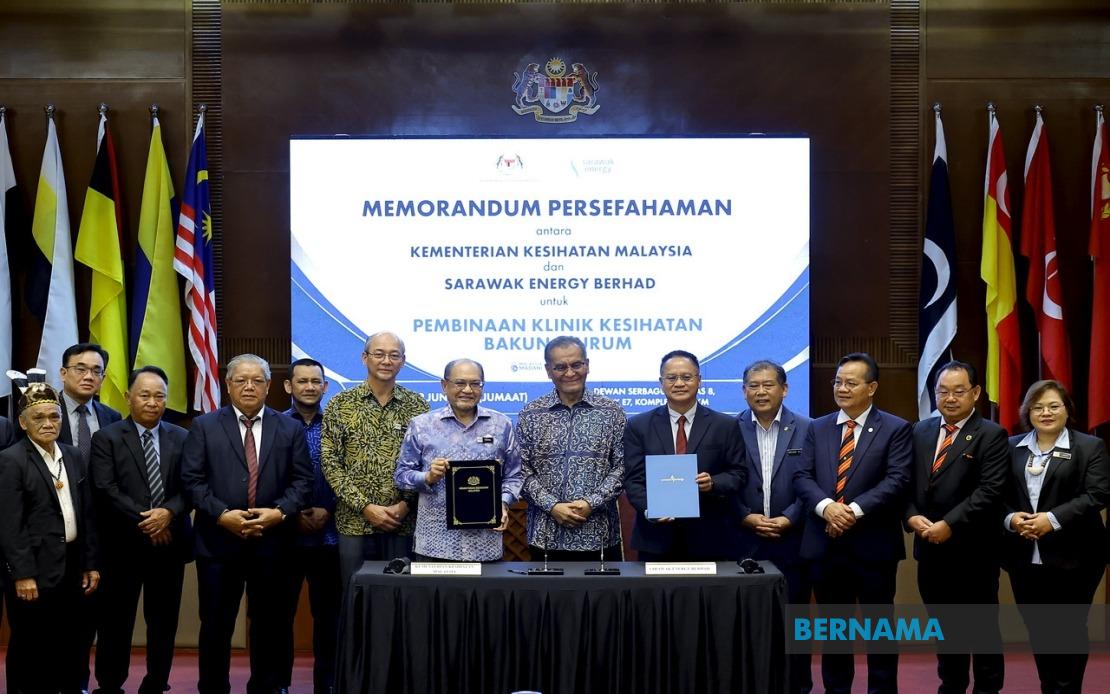
The signing of the Bakun-Murum Health Clinic memorandum of understanding between the Health Ministry and Sarawak Energy, announced alongside Dr Dzulkefly's comments, exemplifies the infrastructure expansion component of specialist strategy. Enhanced rural healthcare facilities in Sarawak and other states create employment opportunities for newly trained specialists and improve service access for underserved populations. Such infrastructure projects, developed in concert with workforce training initiatives, establish the institutional foundation necessary for specialist employment and deployment. For East Malaysian states particularly, these investments signal commitment to reducing healthcare disparities through concurrent facility and personnel development.
As the Health Ministry progresses toward finalising comprehensive solutions to specialist training bottlenecks, stakeholder expectations have intensified. Medical education institutions, healthcare facilities, and professional bodies will closely monitor the specific reforms announced once current consultations conclude. The effectiveness of these measures will ultimately determine whether Malaysia can achieve meaningful progress toward eliminating the 11,000-specialist shortfall. For policymakers, the challenge lies in implementing change swiftly enough to address current service gaps whilst maintaining quality standards and ensuring that newly qualified specialists receive adequate mentorship and working conditions.

