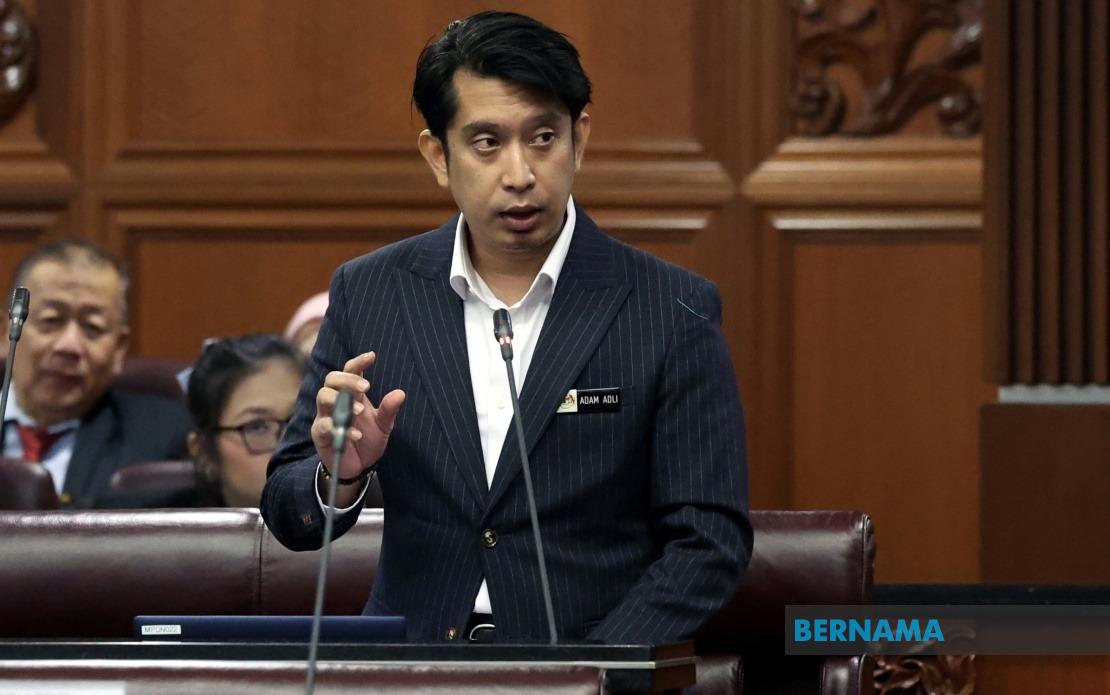
The Ministry of Higher Education is advancing plans to construct a residential college capable of housing approximately 700 students in Betong, Sarawak, as part of a broader strategy to strengthen vocational and technical education provision across the country's less urbanised regions. Deputy Higher Education Minister Adam Adli Abd Halim outlined the initiative during parliamentary proceedings, emphasising that the facility represents a crucial step in addressing accommodation shortages that have historically hindered enrolment at technical institutes operating in remote locations.
The proposed hostel would serve students attending two key institutions: Politeknik Metro Betong Sarawak (PMBS) and Kolej Komuniti Betong. Both establishments currently face capacity constraints and student welfare challenges that limit their ability to expand programmes and attract learners from surrounding districts. By providing on-campus or near-campus residential facilities, the ministry aims to remove a significant barrier that has kept rural students from pursuing advanced vocational qualifications. The strategic importance of this initiative extends beyond immediate enrolment improvements, as it signals a commitment to reducing educational disparities between Malaysia's urban centres and peripheral communities.
The Sarawak Land and Survey Department has identified an 8.814-hectare site in Batu Api district as the preferred location for development. This federally owned parcel sits approximately 650 metres from the PMBS campus, offering convenient proximity while maintaining separation from existing academic facilities. The ministry must now navigate bureaucratic processes to secure approval for changing the land's designated use and obtain clearance from the Prime Minister's Department, which currently holds title to the property. Adam Adli indicated that expediting this approval process remains a priority, reflecting ministerial recognition that accommodation infrastructure represents the most immediate bottleneck limiting institutional expansion.
Currently, PMBS operates significantly below its authorised capacity, with only 291 students enrolled across two diploma programmes—Finance and Tourism Management—against a maximum permitted intake of 600 students. This substantial gap highlights the extent to which housing scarcity constrains programme delivery and institutional viability. The hostel project targets an intake of approximately 700 residents, which would exceed current institutional capacity and signal confidence in PMBS's ability to grow enrolments once accommodation barriers are removed. Such projections suggest the ministry anticipates substantial demand for vocational credentials in Sarawak's labour market once accessibility improves.
Beyond residential infrastructure, the ministry is simultaneously pursuing programme diversification to strengthen PMBS's appeal to prospective students. Beginning in December 2025, the polytechnic will launch a new Diploma in Business Information Systems, adding to its existing curriculum offerings. This expansion reflects recognition that vocational institutions must evolve curricula to align with emerging economic demands, particularly in technology and digital sectors. The addition of information systems training alongside traditional tourism and finance qualifications positions PMBS to serve students with varied career aspirations and provides pathways into increasingly competitive sectors of Sarawak's economy.
The ministry's approach demonstrates a structured, phased methodology that prioritises student welfare alongside academic provision. Rather than rushing to upgrade PMBS to full polytechnic status—a request made during parliamentary questioning by Datuk Dr Richard Rapu—the ministry is systematically addressing foundational issues. Adam Adli's position suggests that institutional elevation should follow demonstrated capacity to serve students effectively, rather than proceeding through administrative redesignation alone. This incremental strategy allows for sustainable growth and ensures that quality standards remain achievable as intake expands.
While awaiting hostel project approval and construction, PMBS has established a Student Residential and Accommodation Management Committee tasked with coordinating welfare and safety for learners currently renting nearby accommodation. This interim measure acknowledges current student hardships while demonstrating institutional responsiveness to welfare concerns. The committee's mandate extends beyond housing logistics to encompassing broader student support, reflecting understanding that retention and academic success depend upon comprehensive pastoral care, not merely classroom instruction. The initiative provides a framework through which institutional leadership can gather intelligence on accommodation challenges and student preferences, informing future hostel design and management policies.
The polytechnic's engagement with lifelong learning programmes further demonstrates institutional versatility and community integration. Short-term courses in accounting and tourism management attracted 1,137 participants during the most recent reporting period, indicating substantial community appetite for workforce development and skills upgrading. These programmes generate revenue streams that partially offset operational costs whilst establishing the institution as a trusted provider of practical training. The dual focus on credit-bearing diplomas and non-formal skills development positions PMBS as a multifaceted educational resource serving diverse community needs across Sarawak's Betong district.
For Malaysian policymakers and Southeast Asian observers, this initiative illustrates evolving approaches to rural education equity. Rather than concentrating advanced vocational training in metropolitan areas, the ministry is investing in distributed capacity within less densely populated regions. This geographic dispersal aligns with broader development strategies emphasising inclusive growth and reducing rural-urban disparities. However, the project's success depends upon securing political backing for land-use approvals and sustaining budget allocations across multiple budget cycles. Betong's relative isolation and small population base may present ongoing challenges for operational sustainability, requiring careful management of enrolment targets and programme costs.
The hostel proposal also reflects Malaysia's commitment to TVET sector expansion as a cornerstone of human capital development. Globally, vocational education systems increasingly receive recognition as essential pathways for employment and economic participation, particularly as manufacturing and service sectors demand technologically skilled workforces. Malaysia's investment in distributed TVET infrastructure across states including Sarawak positions the country competitively within Southeast Asia's evolving skills landscape. Success in Betong could catalyse similar initiatives elsewhere, establishing a model for expanding technical education access throughout rural Malaysia.
Parallel to physical infrastructure development, the ministry's concurrent curriculum innovation indicates awareness that vocational institutions must remain responsive to labour market transformations. Adding information systems credentials acknowledges that even in smaller regional economies, digital literacy and technology competence have become foundational workplace requirements. This curricular evolution reflects a modernisation agenda extending beyond facility provision to encompassing pedagogical relevance and content currency. Institutions that fail to update offerings risk producing graduates whose qualifications misalign with actual employer demands, ultimately limiting vocational education's transformative potential in rural communities.
The financial implications of this project remain partially opaque, though the scale of investment—an 8.814-hectare development accommodating 700 residents—clearly represents substantial capital expenditure. Budget availability and competing ministerial priorities will influence implementation timelines. Nevertheless, the ministry's willingness to advance formal proposals through parliamentary channels suggests sufficient political consensus regarding the initiative's importance. Successful completion would demonstrate tangible progress on equity objectives and constitute a meaningful response to rural stakeholders' long-standing advocacy for enhanced educational access.

