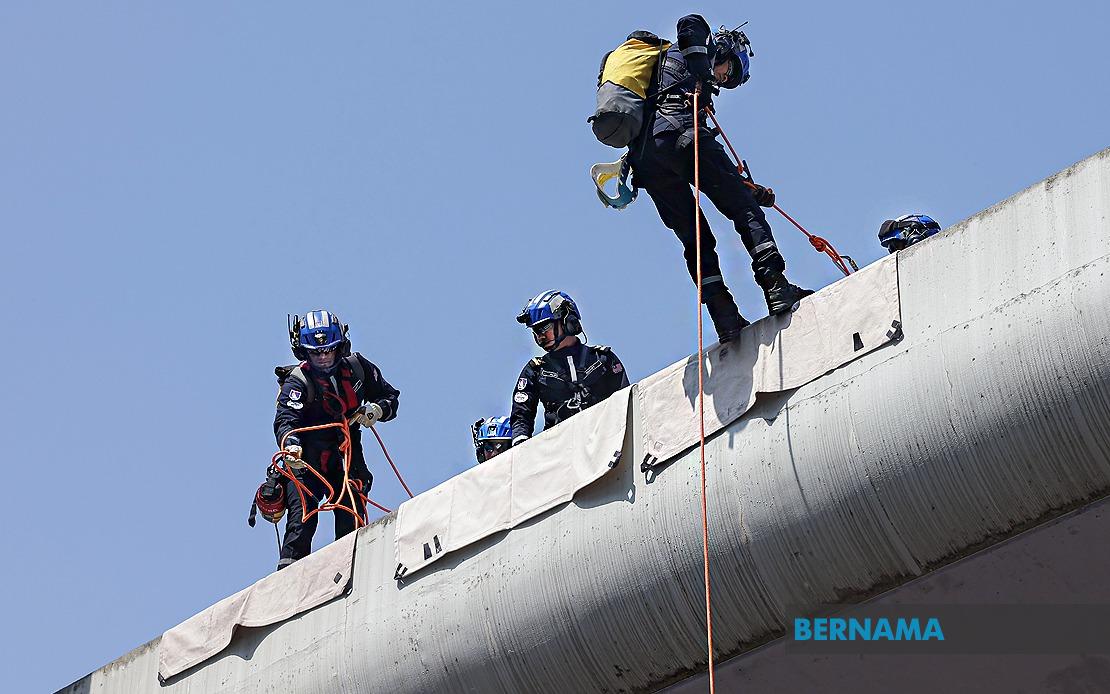
Malaysia's Special Search and Rescue Team has been placed on high alert to assist Nepal following devastating floods that have swept through the South Asian nation, though the operation remains contingent on formal approval from Kathmandu. The National Disaster Management Agency confirmed that SMART personnel are prepared for immediate deployment, having positioned themselves at readiness stations across the country to respond to the moment the Nepali government formally requests international assistance.
The standby posture reflects a carefully calibrated diplomatic approach, with coordination efforts being jointly managed through Malaysia's Foreign Ministry to ensure all necessary protocols are respected. Officials have emphasised that while Malaysia stands committed to providing urgent humanitarian support, the formal invitation from Nepal's authorities remains essential before cross-border operations can commence. This requirement underscores the established norms of international disaster response, where host nation sovereignty and coordination mechanisms guide relief efforts.
Senior Fire Superintendent I Abdul Manaf Che Isa, who commands the SMART contingent, expressed the team's readiness and determination despite demanding circumstances. Even as SMART personnel prepare for potential deployment to Nepal, they are simultaneously scheduled to participate in Malaysia's National Day celebrations on August 31, reflecting the multi-tasking demands placed on the country's elite rescue workforce. Isa highlighted that the team operates under a doctrine of perpetual readiness, capable of mobilising at minimal notice whenever international or domestic emergencies require their expertise.
The Malaysian government's response extends beyond rescue operations to comprehensive humanitarian engagement. Prime Minister Anwar Ibrahim announced that SMART has been tasked not only with conducting search and rescue activities but also with locating and repatriating Malaysian nationals caught in the disaster zone. This dual mandate demonstrates Malaysia's commitment to protecting its citizens abroad whilst contributing to broader regional relief efforts, a principle that has guided Malaysian disaster response policy for decades.
Beyond the deployment of specialised personnel, Malaysia's commitment encompasses financial support. The government has pledged a contribution of US$1 million to assist flood victims in Nepal and bolster post-disaster recovery initiatives. This monetary commitment, converted from ringgit at prevailing exchange rates of approximately RM4.03 per dollar, represents Malaysia's recognition that rebuilding efforts will extend well beyond the initial emergency response phase. Infrastructure repair, livelihood restoration, and community rehabilitation require sustained financial backing that international partners must collectively provide.
The Malaysian Embassy in Nepal will serve as the operational coordination hub for Malaysia's multi-faceted response. SMART will work alongside embassy staff to ensure that assistance reaches those most affected whilst maintaining oversight of Malaysian citizens' welfare and safety throughout the crisis. This integrated approach—combining specialist rescue capabilities with diplomatic infrastructure—has proven effective in previous disaster situations across the region, allowing Malaysia to respond swiftly whilst respecting host country authority.
Nepal's vulnerability to seasonal flooding stems from its geographic position in the Himalayan foothills and monsoon climate patterns. The country experiences recurring inundation during the southwest monsoon season, making disaster preparedness and international cooperation critical components of the national resilience strategy. Malaysia's willingness to contribute trained personnel and resources reflects the mutual recognition among Southeast Asian and South Asian nations that cross-border disaster assistance strengthens regional security and humanitarian capacity.
The deployment of SMART represents the culmination of years of institutional development. The team comprises highly trained firefighters, paramedics, engineers, and logistics specialists drawn from Malaysia's Fire and Rescue Department and other emergency services. These professionals undergo rigorous preparation in urban search and rescue techniques, water rescue operations, and logistics management, enabling them to operate effectively in challenging post-disaster environments where infrastructure may be compromised and access routes severely disrupted.
International disaster response has evolved considerably, with established frameworks guiding how nations coordinate assistance. The standby arrangement reflects Malaysia's participation in these protocols, whereby countries prepare resources and personnel whilst awaiting host nation requests channelled through diplomatic channels. This system, whilst sometimes appearing slow to outside observers, ensures that external assistance complements rather than duplicates or complicates local emergency management efforts.
For Malaysia, engagement in international disaster relief serves multiple purposes beyond humanitarian imperatives. Such deployments enhance diplomatic relationships, demonstrate national capacity and professionalism, and generate valuable operational experience for personnel. The experience gained during overseas missions frequently improves domestic disaster response capabilities, creating a feedback loop that strengthens Malaysia's own preparedness for natural disasters affecting the peninsula and East Malaysia.
The timing of Nepal's crisis occurs amid Malaysia's own preparation for National Day celebrations, yet governmental and emergency services have demonstrated their capacity to maintain focus on international obligations. This simultaneity illustrates how modern developed nations must balance commemorative events with responsive governance, ensuring that national pride celebrations do not distract from humanitarian responsibilities toward neighbouring countries facing acute emergencies.
Regional observers will watch carefully whether Nepal formally requests Malaysian assistance and how quickly SMART can establish operational effectiveness once deployed. Success in this mission would reinforce Malaysia's position as a reliable regional partner in disaster management, potentially leading to enhanced cooperation frameworks with Nepal and other South Asian nations. Conversely, even if deployment does not materialise, Malaysia's demonstrated preparedness and financial contribution signal commitment to inclusive regional security that extends beyond immediate geographic proximity.

