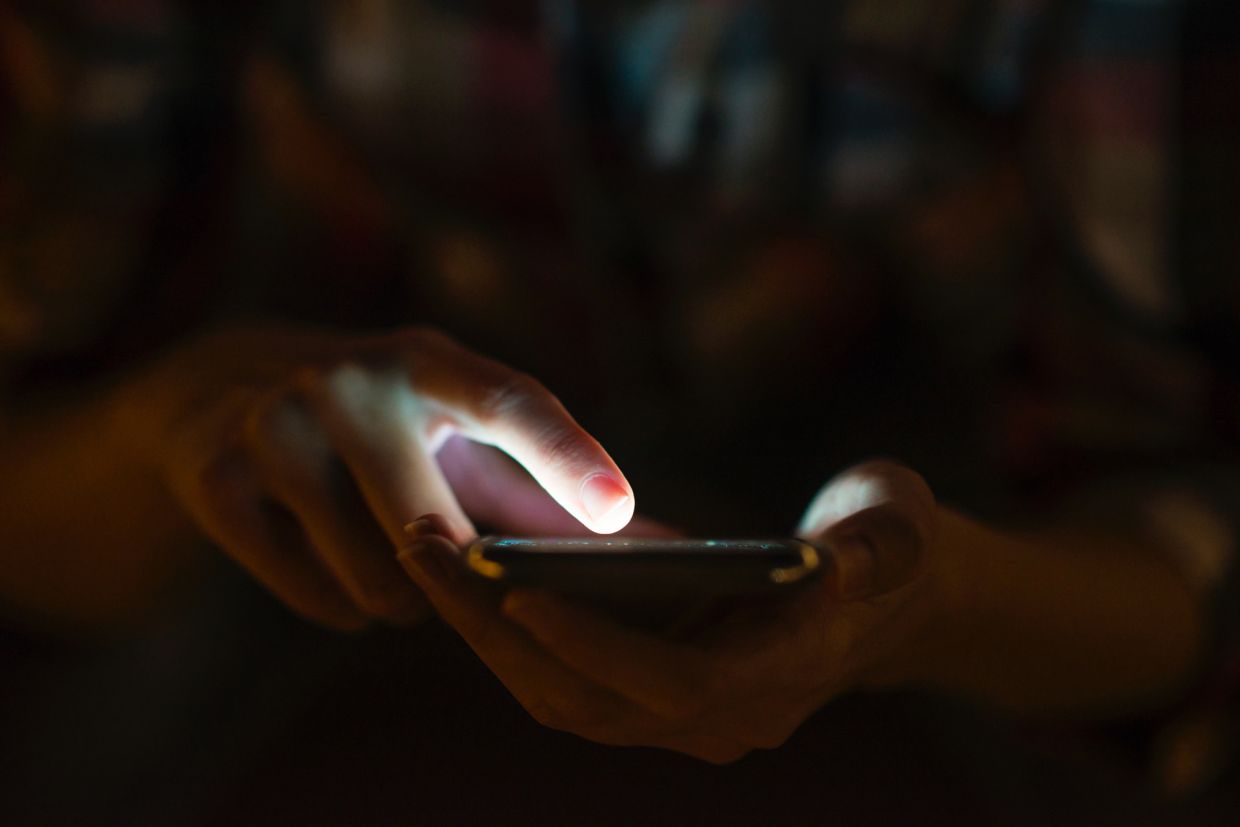
Malaysia's recent decision to restrict social media access for children under 16 has ignited a complex discussion among mental health professionals about whether blanket digital prohibitions genuinely protect young users or risk creating new problems. While expert consensus acknowledges the documented harms of excessive social media use, researchers caution that the measure may inadvertently harm vulnerable children who rely on online platforms for crucial emotional support and social connection.
The global landscape provides sobering context for Malaysia's approach. TikTok recently settled lawsuits brought by young Americans claiming the platform damaged their mental health, while Meta and Google were ordered to pay US$6 million (RM24.5 million) in damages to a woman who developed depression and anxiety from compulsive social media use. Meta, Snap, TikTok, and YouTube jointly agreed to compensate a United States school district with US$27 million (RM110.4 million) following a settlement over alleged contributions to a youth mental health crisis. Most dramatically, New Mexico required Meta to pay US$567 million (RM2.31 billion) into a teen mental health fund after determining the company had harmed children's wellbeing. These cases underscore genuine, measurable harms that have prompted governments worldwide to take protective action.
Communications Minister Datuk Fahmi Fadzil has positioned Malaysia's restriction as a shield against online risks, a stance endorsed by prominent mental health leaders. Prof Datuk Dr Andrew Mohanraj, president of the Malaysian Mental Health Association and a consultant psychiatrist, points to established scientific evidence showing adolescents using heavy social media experience elevated anxiety and depression. The restriction addresses a developmental vulnerability, he explains, because children under 16 lack fully formed emotional regulation and critical thinking capacity. This neurological reality makes younger users substantially more susceptible to psychological manipulation by algorithms designed to maximise engagement regardless of wellbeing consequences.
Beyond mental illness, supporters identify cascading benefits from reduced screen time. Prof Andrew highlights improved sleep hygiene—a fundamental pillar of adolescent health often sacrificed for late-night scrolling. Cyberbullying incidents should decline when young people spend less time on harassment-prone platforms. Self-esteem and body image ought to improve as children encounter fewer comparison traps and filtered content promoting unrealistic beauty standards. Academic performance may strengthen when attention spans are no longer fractured by infinite feeds. Exposure to objectively dangerous content—including material encouraging self-harm, suicide ideation, pornography, hate speech, and gambling—would diminish substantially.
Dr Chung Kai Li from the University of Nottingham Malaysia emphasises that protection extends to predatory behaviour, including harmful advertising and unwanted sexual solicitation targeting minors. She notes that freed-up time could support fundamental healthy development through adequate sleep, physical activity, and face-to-face interactions with family and peers—precisely the activities crowded out by competing digital demands. The theory is compelling: remove the poison, and wellness naturally flourishes.
However, this framework oversimplifies the reality for a substantial segment of Malaysia's young population. Both Dr Chung and Prof Andrew acknowledge that social media access is not inherently harmful for all children. Supervised engagement on these platforms provides critical lifelines for isolated young people confronting chronic illness, clinical anxiety, or persistent bullying. For such children, online connection represents genuine resilience-building rather than a risk factor. Many Malaysian children have already constructed meaningful digital identities embedded within communities they value—identities and relationships that blanket prohibition would sever.
Dr Lee Eun Hee from the University of Nottingham Malaysia's School of Psychology articulates the paradox more starkly. For marginalised youth—including LGBTQ+ adolescents in conservative communities, teenagers with disabilities limiting physical mobility, or young people from isolated rural areas—social media may represent the only accessible avenue for peer connection, validation, and community belonging. It provides conversations that reduce mental health stigma and offer emotional support unavailable offline. Online spaces grant socially anxious individuals opportunities for communication without the overwhelming sensory and social demands of physical interaction. A blanket ban risks condemning already-vulnerable young people to isolation, potentially deepening depression and suicidal ideation rather than preventing it.
The surveillance alternative also troubles experts. While parents might argue for complete monitoring of children's online interactions, Dr Lee warns this approach conflates protection with intrusion. Young people require privacy to develop healthy independence, exercise judgment, and learn relationship management skills necessary for adulthood. Treating all online activity as suspicious terrain to be monitored erodes trust between families and can backfire psychologically. Instead, Dr Lee advocates for engaged parenting and teaching—adults remaining present through genuine communication and supportive environments where young people feel safe discussing online concerns without fear of punishment. This requires that parents and educators themselves understand how young people navigate digital spaces and recognise emerging risks, demanding investment in adult digital literacy alongside child protection.
Dr Chung introduces a crucial structural critique: treating social media as an isolated risk factor obscures the broader ecosystem determining adolescent mental health. Individual vulnerability—including emotion regulation difficulties and predisposition to mental illness—combines with family stability, community support, substance exposure, and chronic stress to shape outcomes. A teenager facing parental neglect, poverty, discrimination, or violence may experience social media as genuinely harmful, while the same platforms offer a resilient teen meaningful connection. Mental health does not operate as a simple algorithm where subtracting social media automatically produces wellbeing. Societies must address root causes—childhood adversity, economic inequality, inadequate mental health services, discrimination—that drive vulnerability to digital harms.
Malaysia's restriction represents a pragmatic response to documented, large-scale harms affecting many young people. The accumulating lawsuits and regulatory actions globally demonstrate that social media companies have systematically prioritised engagement and advertising revenue over child safety. Some intervention was plainly necessary. Yet the policy as implemented risks becoming a one-size-fits-all solution applied without adequate consideration for the substantial minority of Malaysian children for whom online connection serves as a protective factor rather than a risk. The optimal approach requires nuance: strong guardrails against the most damaging platform features and business practices, meaningful adult engagement with young people's digital lives through conversation rather than surveillance, investment in offline community and mental health services, and recognition that for some vulnerable youth, the ban's unintended consequence may be psychological harm rather than protection.

