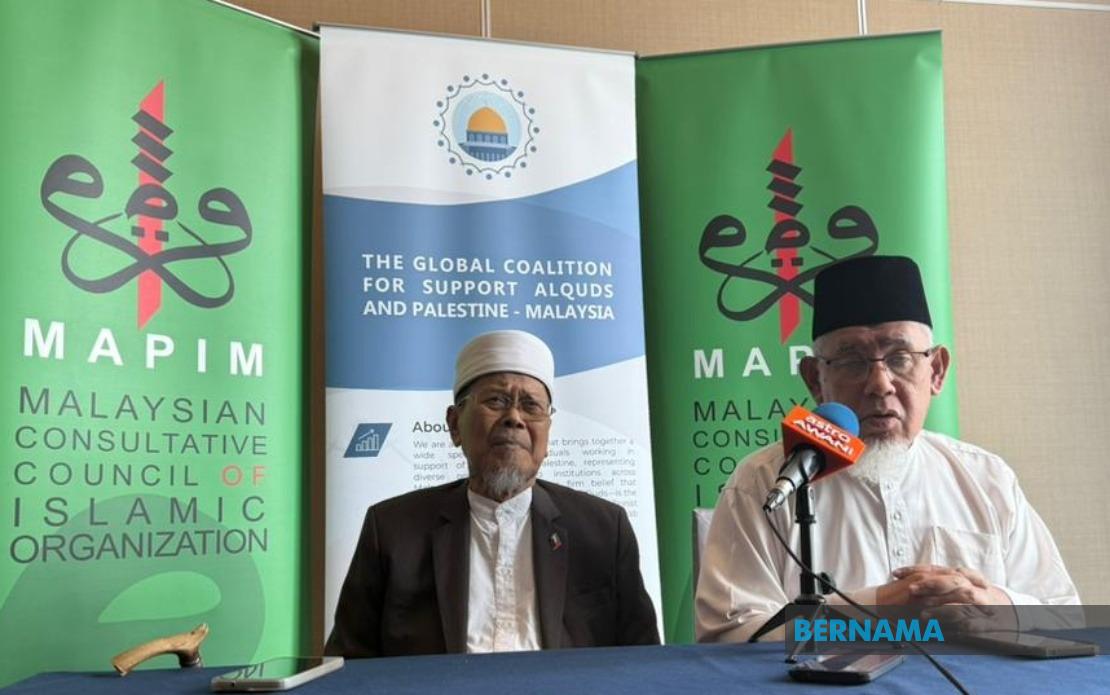
The Malaysian Consultative Council of Islamic Organisations (MAPIM) has announced plans to dispatch a humanitarian mission to Nepal beginning September 5, responding to catastrophic flash floods that have left the Himalayan nation reeling from one of its worst natural disasters in recent memory. The initiative, led by MAPIM president Mohd Azmi Abdul Hamid, represents Malaysia's formal commitment to providing international relief assistance during a critical window when Nepal faces overwhelming humanitarian needs.
The disaster struck on August 26 when an avalanche-triggered flood unleashed a destructive torrent of rocks, ice, mud and debris through mountain river systems that cut through the Himalayas. The wall of destruction carved through villages and damaged critical infrastructure along a heavily-trafficked trekking corridor that connects Kathmandu to Lhasa in Tibet, a route popular with international tourists and mountaineers. Initial assessments indicated that at least 469 people had perished in the flooding, with more than 1,400 individuals reported missing. Among the unaccounted for were nearly 540 foreign nationals caught in the disaster zone.
The scale of Malaysian involvement underscores the close ties between the two nations and the significant number of Malaysian citizens affected by the emergency. The Ministry of Foreign Affairs confirmed that 57 Malaysians remained untraced as of late August 27, based on information provided by family members, contacts and employers who had lost communication with those in Nepal. This figure prompted the Malaysian government to take swift action in coordinating relief efforts alongside civil society organisations.
MAPIM's response strategy prioritises a phased approach designed to maximise the efficiency and impact of assistance reaching vulnerable populations. The initial deployment will comprise four dedicated MAPIM volunteers tasked with conducting a comprehensive assessment of ground conditions and identifying priority areas where humanitarian aid can be most effectively distributed. Rather than operating in isolation, MAPIM has deliberately structured its mission to incorporate multiple stakeholders, broadening the coalition of support by engaging other registered non-governmental organisations operating within Malaysia and Nepal.
The collaborative framework includes a partnership with MyCare, an established humanitarian organisation with experience in disaster response operations, alongside two local Nepali NGOs positioned to provide on-the-ground coordination and cultural insight. This multi-organisation approach reflects international best practices in humanitarian coordination, where pooling resources and expertise typically yields superior outcomes compared to individual organisational efforts. By leveraging the existing networks and logistical capacity of established aid agencies, MAPIM aims to accelerate the delivery of assistance to remote and severely affected communities.
Mohd Azmi outlined the immediate priorities guiding the mission's resource allocation and operational focus. Medical supplies have been identified as the paramount requirement, given the overwhelming number of injuries sustained during the flooding and the likelihood that many victims remain in critical condition with limited access to professional healthcare. Beyond emergency medical intervention, the distribution of basic food packages constitutes the second priority, addressing immediate nutritional needs for displaced persons and survivors sheltering in temporary locations awaiting comprehensive relief efforts.
The announcement comes after MAPIM conducted preliminary coordination with the Embassy of Nepal in Malaysia to gain situational awareness regarding the evolving crisis. These diplomatic consultations helped inform planning assumptions and ensured that the Malaysian relief initiative would complement rather than duplicate assistance being provided by other international actors responding to Nepal's distress call. Such coordination reflects the increasingly sophisticated approach adopted by Malaysian civil society organisations engaging in international humanitarian operations.
MAPIM formally briefed the Prime Minister Datuk Seri Anwar Ibrahim regarding the special mission details, signalling governmental endorsement and potential access to official channels that might facilitate the movement of relief supplies across international borders. This high-level notification reflects the diplomatic significance attributed to the relief operation and positions the mission as an expression of official Malaysian sentiment rather than purely private charitable action.
The symbolic dimension of Malaysia's response extends beyond material assistance delivery. According to Mohd Azmi, the mission intends to communicate Malaysian solidarity with Nepal during an extraordinarily difficult period, conveying the wish of diverse Malaysian communities to shoulder part of the burden shouldered by disaster victims in the affected regions. This positioning of humanitarian aid as a vehicle for expressing national values and cross-border compassion reflects how contemporary relief operations function simultaneously as practical assistance mechanisms and as diplomatic gestures reinforcing international relationships.
For Malaysian readers, this relief initiative carries particular resonance given the ongoing vulnerabilities of Malaysian nationals abroad and the reciprocal obligations embedded in regional cooperation frameworks. Nepal's flood catastrophe serves as a stark reminder of how climate-related hazards and geological vulnerabilities in mountainous South Asian terrain can generate humanitarian emergencies requiring rapid multinational coordination. Malaysia's measured response through established civil society channels demonstrates institutional readiness to mobilise assistance when neighbouring countries face acute crises, establishing precedents that may influence how Malaysian communities receive support should similar disasters occur domestically.

