The Majlis Amanah Rakyat (MARA) has initiated a comprehensive review of its standard operating procedures governing student outings across Mara Junior Science Colleges (MRSM) following an incident in which two pupils from an institution in Melaka went missing earlier this month. The decision comes in response to growing scrutiny over the safety protocols that govern how students at these elite boarding colleges are permitted to leave campus for off-campus activities. The two Form Four students from MRSM Alor Gajah disappeared on August 11 after attending a health clinic, only to be discovered four days later in the vicinity of Pasar Seni in Kuala Lumpur, an outcome that has prompted institutional self-examination despite the chairman's attempts to frame it as an aberration rather than a systemic failure.
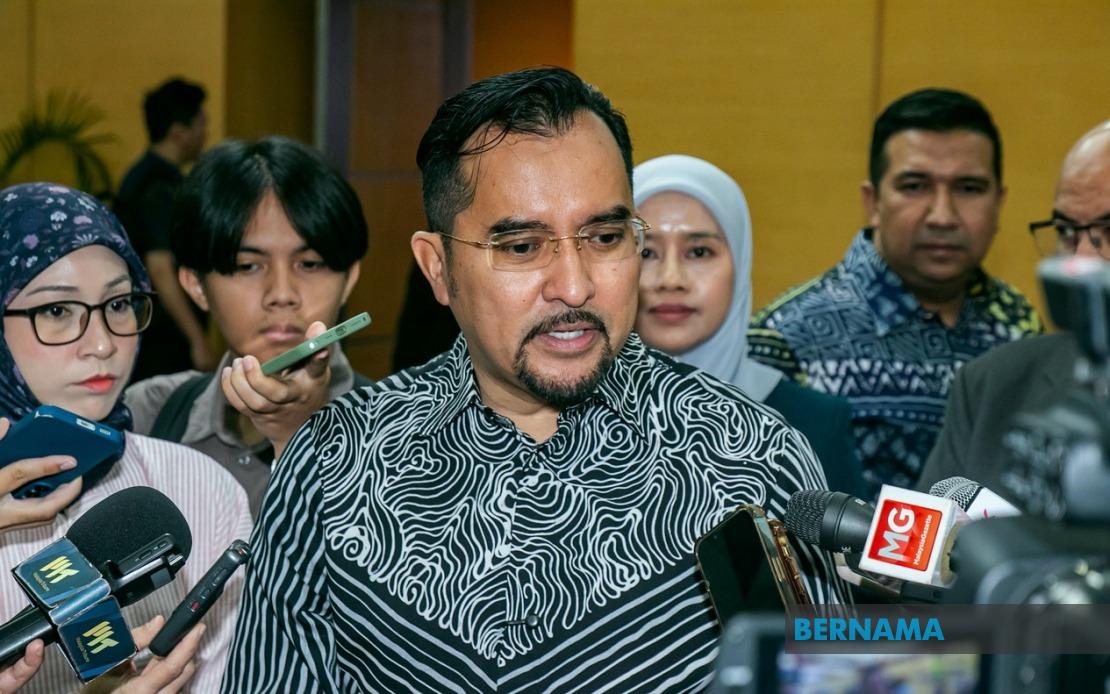
Datuk Dr Asyraf Wajdi Dusuki, who leads MARA, characterised the incident as an isolated event that should not precipitate sweeping changes to the institutional framework. Speaking to journalists following a pre-departure briefing for MARA-sponsored students preparing for overseas education in 2026, he sought to strike a delicate balance between acknowledging the seriousness of the disappearance and defending the autonomy that MRSM students have historically enjoyed. His measured response reflects the tension within Malaysian educational institutions between safeguarding vulnerable adolescents and permitting the gradual development of independence and self-reliance that residential colleges aim to foster. The chairman's public positioning suggests that MARA is aware of the reputational risks posed by the incident while simultaneously concerned that implementing overly restrictive policies could undermine the foundational educational philosophy of its institutions.
Under the current arrangements that have been in place across MRSM campuses, students are granted permission to venture into nearby towns on approximately one or two occasions per month, provided they adhere to specified protocols and operate without direct teacher supervision. This system of managed autonomy represents a deliberate pedagogical choice, intended to allow adolescents to navigate social environments, make decisions, and develop maturity through graduated exposure to responsibilities outside the structured confines of the boarding college. The policy reflects broader educational philosophy that recognises the necessity of experiential learning and the gradual transition toward adult autonomy. However, the August incident has cast this practice under intense scrutiny, prompting questions about whether the existing safeguards are adequately calibrated to protect students while still permitting meaningful personal development.
Dr Asyraf Wajdi explicitly cautioned against permitting a single incident to dictate future institutional policy, warning that hastily implemented restrictions could potentially damage the educational mission that MRSM colleges pursue. His argument carries weight within educational circles, where there is broad recognition that overly paternalistic institutional environments can stifle the development of critical thinking, resilience, and social competence in young people. Nevertheless, this perspective must contend with parental and public expectations regarding child safety, particularly given the vulnerability of teenagers who are away from home. The challenge facing MARA is to recalibrate its procedures in ways that genuinely enhance protective measures without reducing students to a state of institutional confinement that would be counterproductive to their development.
One of the two missing students experienced a panic attack following her discovery and required hospitalisation to address the psychological shock of the incident, according to information provided by the MARA chairman. This clinical detail carries significant implications for how institutions assess risk and implement safeguarding protocols. The occurrence of acute psychological distress in an adolescent after disappearing for several days underscores the vulnerability inherent in permitting unsupervised off-campus movement, regardless of how carefully such permissions are structured. The incident raises questions about whether MRSM protocols include adequate mechanisms for monitoring student welfare, identifying warning signs of distress, or rapidly detecting when a student's absence represents a genuine emergency rather than authorised absence.
Mara officials have been cooperating with law enforcement authorities in Alor Gajah who are investigating the circumstances of the disappearance. The MARA chairman noted that police approached the institution for investigative assistance and that preliminary findings remain confidential pending completion of the inquiry. This collaborative approach reflects standard institutional practice when incidents involve potential criminal elements or welfare concerns. The withholding of detailed findings from public disclosure is customary in investigations involving minors and is intended to protect the privacy and dignity of the affected students. However, the lack of public information has also created a vacuum into which speculation and concern from parents and the broader educational community inevitably flow, potentially intensifying pressure on MARA to demonstrate visible policy responses.
The incident occurs within a broader context of heightened public consciousness regarding child safety in Malaysia. Educational institutions, particularly those operating as residential facilities, face escalating expectations to demonstrate comprehensive safeguarding frameworks that address not only in-campus risks but also vulnerabilities that emerge when students transition to unsupervised off-campus settings. This expectation is shaped partly by high-profile cases in recent years involving student welfare and safety breaches at Malaysian schools and colleges. MARA institutions, which serve as pathways for academically gifted students and often attract significant parental investment and institutional prestige, are particularly subject to intense scrutiny when incidents occur. The reputational implications extend beyond individual institutions to MARA's broader mission of providing educational access and development to talented Malaysians.
The timing of the MARA review coincides with broader conversations within Malaysian education about balancing student autonomy with institutional responsibility. As secondary and tertiary institutions increasingly grapple with duty-of-care questions, the procedures adopted by MRSM colleges may establish precedents influencing other residential educational facilities. The policies implemented following this review will likely become reference points for parents, policymakers, and other institutional leaders evaluating appropriate oversight mechanisms. This positions MARA's deliberations as potentially influential within the wider Malaysian educational ecosystem, particularly regarding how institutions calibrate the tension between student independence and protective supervision.
Moving forward, MARA faces the challenge of developing revised procedures that meaningfully enhance student safety without dismantling the educational philosophy that has historically underpinned MRSM operations. Any new protocols will likely incorporate enhanced communication mechanisms between students, parents, and institutional staff, potentially including technology-based monitoring systems or more rigorous sign-in and sign-out procedures for off-campus activities. The review may also examine the adequacy of training provided to staff members responsible for oversight of student activities and the criteria by which individual students are assessed for readiness to participate in unsupervised off-campus outings. Additionally, the institution may strengthen its protocols for recognising and responding to signs of student distress, mental health concerns, or social difficulties that might place individuals at heightened risk during unsupervised periods.
The MARA chairman's public statements reflect an institutional attempt to maintain perspective regarding what remains, statistically speaking, a rare occurrence within a large system serving hundreds of students annually. Nevertheless, the psychological and reputational impact of the incident extends well beyond statistical frequency. Parents entrusting their children to MRSM institutions expect multiple layers of protection and oversight, and the discovery of two teenagers in Kuala Lumpur after several days of disappearance necessarily triggers questions about whether existing protections are adequate. MARA must navigate the genuine safety imperatives exposed by this incident while preserving the educational environment that has historically attracted academically accomplished students and enabled their further development.

