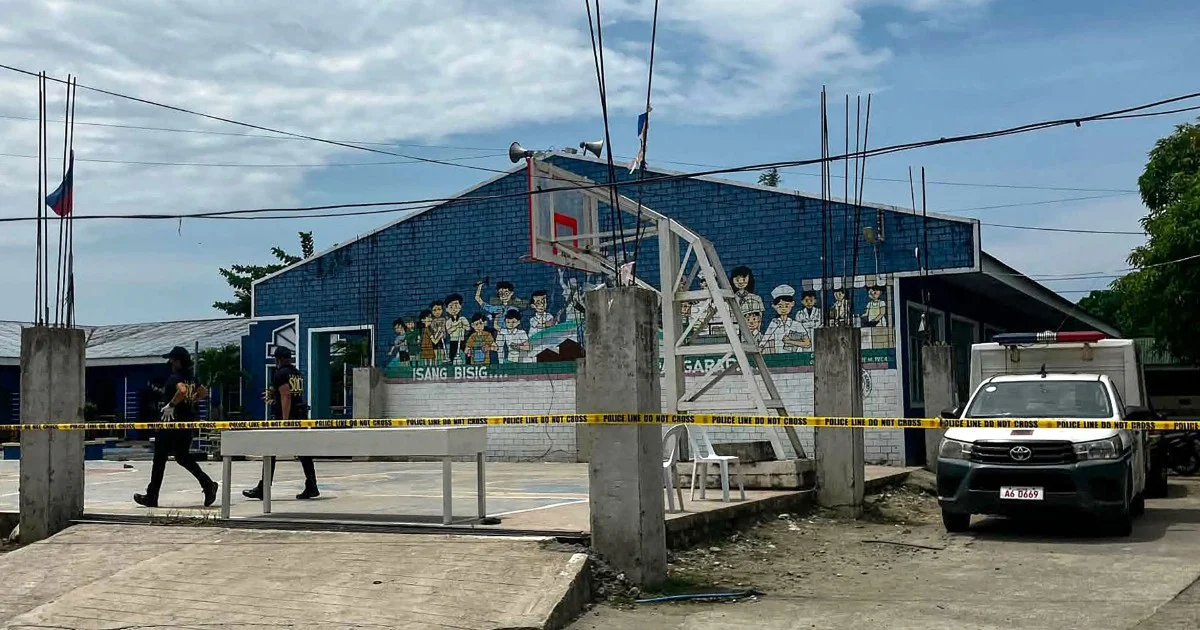
President Ferdinand Marcos Jr has directed authorities to conduct a comprehensive investigation into a school shooting in Tacloban that resulted in three fatalities and left five others wounded, marking another tragic incident of armed violence on Philippine soil. The directive, issued on Monday, underscores growing governmental concern over recurring incidents of gun violence in educational settings and their impact on public safety and community trust.
The shooting in Tacloban, capital of Leyte province in the Eastern Visayas region, represents a significant breach of security in what should be a protected environment for students and staff. Educational institutions across the Philippines have increasingly become focal points for discussions about security measures and the unchecked proliferation of firearms in civilian hands. The incident raises urgent questions about how schools are implementing safety protocols and whether current measures are adequate to prevent such tragedies.
Tacloban, a densely populated coastal city with a population exceeding 200,000, has historically struggled with various crime and security challenges. The city's location in a typhoon-prone region and its complex socioeconomic conditions have occasionally contributed to higher crime rates compared to other metropolitan areas. This particular shooting has therefore compounded existing security concerns that residents already face in their daily lives.
The decision by President Marcos Jr to personally order an investigation signals the severity with which the administration views the incident and reflects political pressure to address gun violence. Such high-level directives typically accelerate fact-finding efforts and heighten accountability among law enforcement and security agencies. The investigation will likely examine circumstances surrounding the shooting, identify the perpetrator or perpetrators, and determine motivations that led to the violence.
For Malaysian observers, the incident provides context to understand the broader challenges facing our Philippine neighbours regarding gun control and public safety. While Malaysia maintains comparatively stricter firearm regulations, the Philippines' significantly more permissive licensing and ownership frameworks create vastly different security landscapes. The contrast illustrates how regulatory approaches to weapons can influence violent crime patterns across Southeast Asia.
The Philippines has grappled with persistent challenges related to unlicensed firearms and illegal weapons circulation, partly stemming from decades of armed conflict in Mindanao and the legacy of various insurgencies. This weapons proliferation persists despite repeated government crackdowns and ammunition control initiatives. Schools, being civilian-populated institutions lacking militarised security measures, remain vulnerable targets within this broader context of widespread gun availability.
The psychological impact on the Tacloban community, particularly among students and parents, will be profound and long-lasting. School shootings create collective trauma that extends beyond immediate victims and their families, affecting entire communities' sense of security and trust in institutional protection. For young Filipinos, such incidents undermine confidence in safety at educational institutions where they spend formative years.
This shooting also intersects with broader discussions about mental health support and early intervention systems in the Philippines. Countries facing recurring incidents of school violence often discover that perpetrators exhibited warning signs beforehand. Whether Philippine authorities have adequate systems to identify individuals at risk, provide counseling, and prevent them from accessing weapons remains a critical policy question that this investigation may illuminate.
The investigation's findings will likely influence policy discussions about firearm regulations at the national level. President Marcos Jr's administration faces mounting pressure from civil society groups advocating for stricter gun control measures. The Tacloban incident will undoubtedly feature prominently in these ongoing debates, potentially strengthening arguments for enhanced background checks, stricter licensing requirements, and restrictions on certain weapon types.
International observers, including those from Southeast Asian neighbours navigating similar security challenges, will monitor how the Philippines responds to this incident. The investigation's transparency and outcomes could serve as either a model or cautionary tale for how governments should address school violence. Effective handling could demonstrate institutional capacity to maintain public safety, while inadequate responses might underscore systemic weaknesses in law enforcement or security apparatus.
The five injured individuals require immediate medical attention and psychological support as they recover from their trauma. Their eventual testimonies may prove crucial to understanding exactly what transpired during the shooting. Recovery from physical injuries, while important, may prove simpler than addressing the psychological toll that survivors, witnesses, and the broader community will experience.
As investigations proceed, the incident serves as a grim reminder that Southeast Asia cannot take public safety for granted. Even in developing democracies with generally lower gun ownership compared to some Western nations, lapses in security frameworks can result in catastrophic outcomes. The Philippines must balance respect for individual rights with collective security needs, a challenging equilibrium that this latest tragedy has thrown into sharp relief.
The coming weeks will reveal crucial details about how and why this shooting occurred in Tacloban. Regardless of specific findings, the incident reinforces that comprehensive approaches addressing gun control, mental health services, school security infrastructure, and law enforcement capacity are essential investments for any society seeking to protect its young people and educational institutions from violence.

