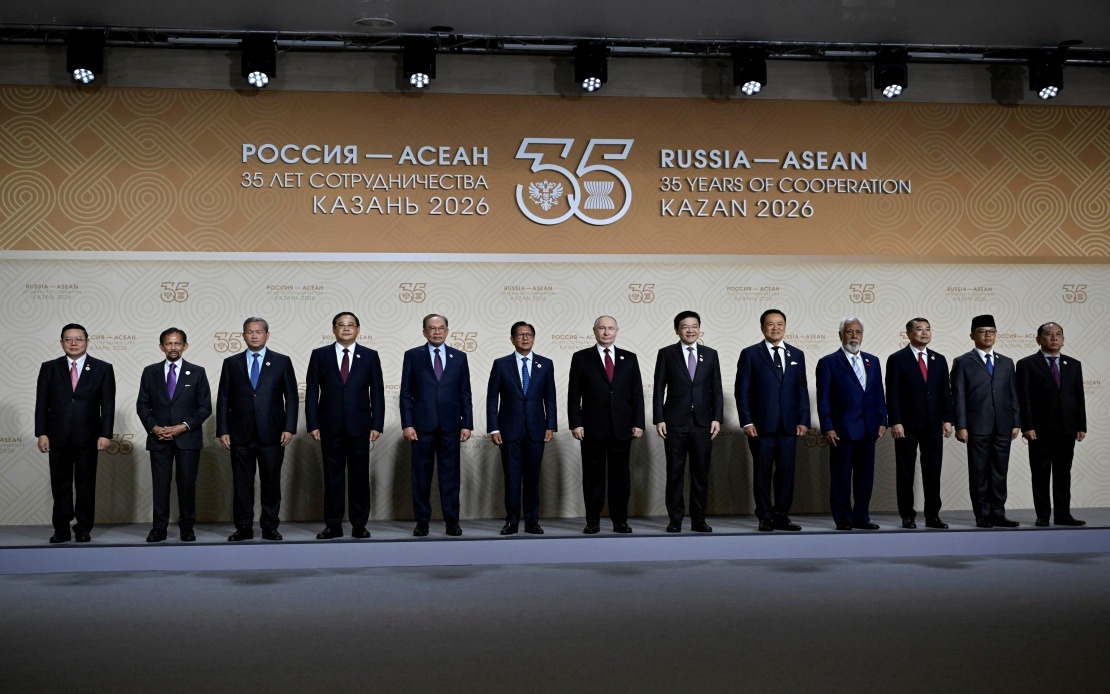
Philippine President Ferdinand R. Marcos Jr has identified significant room for expanding cooperation between ASEAN and Russia, particularly in emerging technological and energy sectors that have grown in strategic importance over recent years. Speaking following his attendance at the ASEAN-Russia Commemorative Summit held in Kazan, Marcos emphasised that whilst ties between the regional bloc and Moscow have developed steadily over three decades, the partnership has not yet realised its full capacity.
The relationship between ASEAN and Russia presents an intriguing dynamic for Southeast Asian policymakers. Unlike the deeply entrenched economic partnerships that developed between ASEAN and Western nations during the post-Cold War era, cooperation with Russia has historically remained measured and compartmentalised. Marcos acknowledged this reality while suggesting that the current international environment creates fresh opportunities for both sides to explore collaboration in areas that simply did not exist during earlier phases of their engagement.
Among the sectors Marcos highlighted as holding particular promise are artificial intelligence, data centre development, and power generation infrastructure. These are notably different from the traditional energy trade and defence cooperation that have historically characterised ASEAN-Russia relations. The shift reflects broader changes in how nations now compete and cooperate, with technology and digital infrastructure increasingly serving as drivers of economic growth and geopolitical influence. For ASEAN members, partnerships in these domains could help accelerate their digital transformation and reduce dependence on any single technological provider.
Marcos' remarks also reflect a deliberate repositioning of ASEAN's diplomatic approach. He characterised the regional bloc as "growing up fast" and consciously diversifying its international partnerships beyond established alignments. This framing resonates particularly well across Southeast Asia, where governments have increasingly sought to maintain strategic autonomy by engaging with multiple powers rather than committing exclusively to any single partner. The notion that ASEAN is entering a "new day" suggests a maturation of the bloc's foreign policy, one where member states feel confident engaging Russia, the United States, China, and India simultaneously according to their respective national interests.
The specific mention of power generation warrants particular attention for Malaysian readers. Southeast Asia faces mounting electricity demands as urbanisation and industrialisation accelerate across the region. Traditional energy sources remain crucial, but diversifying the technological approaches to power generation—potentially including Russian expertise in nuclear and renewable sectors—could offer alternatives to over-reliance on coal or liquefied natural gas imports. However, such cooperation would require careful navigation given Western sanctions on Russia and the geopolitical sensitivities surrounding energy security in the Indo-Pacific.
Marcos acknowledged that whilst ASEAN as a whole has expanded dialogue with Russia, development has proceeded unevenly across member states. This is an important recognition, as ASEAN comprises ten nations with markedly different strategic interests and capacities. Some members maintain considerably deeper relationships with Moscow than others, reflecting their historical ties, geographic proximity, or defence partnerships. This heterogeneity within ASEAN means that any regional framework for cooperation with Russia must accommodate varying levels of engagement from member states.
The commemorative summit itself carried symbolic weight. Spanning more than 35 years of formal dialogue relations, the occasion provided an opportunity to reflect on the trajectory of ASEAN-Russia engagement and chart a course for the next phase. The adoption of the Kazan Declaration 2026 and the ASEAN-Russia Comprehensive Plan of Action for 2026–2030 signals that both sides intend to move beyond rhetorical expressions of friendship toward structured, measurable cooperation. Joint documents specifically addressing culture and energy suggest a deliberate attempt to deepen mutual understanding whilst addressing practical regional needs.
For Malaysia specifically, these developments merit careful consideration. As a middle-power ASEAN member with significant economic and diplomatic influence, Malaysia's approach to ASEAN-Russia relations carries weight in shaping regional consensus. Malaysia has traditionally balanced engagement with Russia against its broader Western partnerships, particularly its substantial defence and trade relationships with the United States and Europe. The opportunity to participate in technology and energy cooperation with Russia could enhance Malaysia's strategic flexibility, though such moves must be calibrated to avoid alienating important Western partners or triggering international complications.
The emphasis on science and technology-driven sectors also aligns with ASEAN's broader development aspirations. Many Southeast Asian nations aspire to transition from manufacturing-dependent economies toward innovation-led growth models. If ASEAN-Russia cooperation can facilitate technology transfer or collaborative research initiatives in artificial intelligence and data infrastructure, the benefits could extend well beyond bilateral government relations to encompass research institutions, private sector innovation, and talent development across the region.
Marcos' characterisation of the partnership as moving beyond a "bipolar world" reflects the increasingly multipolar nature of contemporary international relations. During the Cold War and its immediate aftermath, ASEAN-Russia ties were constrained by geopolitical division. Today, both sides have incentives to explore cooperation without ideological conflict or zero-sum competition dominating the relationship. This pragmatic approach offers ASEAN greater flexibility in pursuing its economic and developmental objectives whilst maintaining the strategic partnerships it has cultivated with other major powers.
The practical implementation of expanded ASEAN-Russia cooperation will ultimately depend on member states' willingness to follow through on the frameworks established at Kazan. Beyond formal declarations, substantial progress requires businesses, research institutions, and government agencies across ASEAN to actively engage Russian counterparts in technology transfer, joint ventures, and capacity-building initiatives. The coming years will reveal whether the momentum generated at the commemorative summit translates into concrete projects that deliver tangible benefits to ASEAN peoples, as the summit's outcome documents have pledged.

