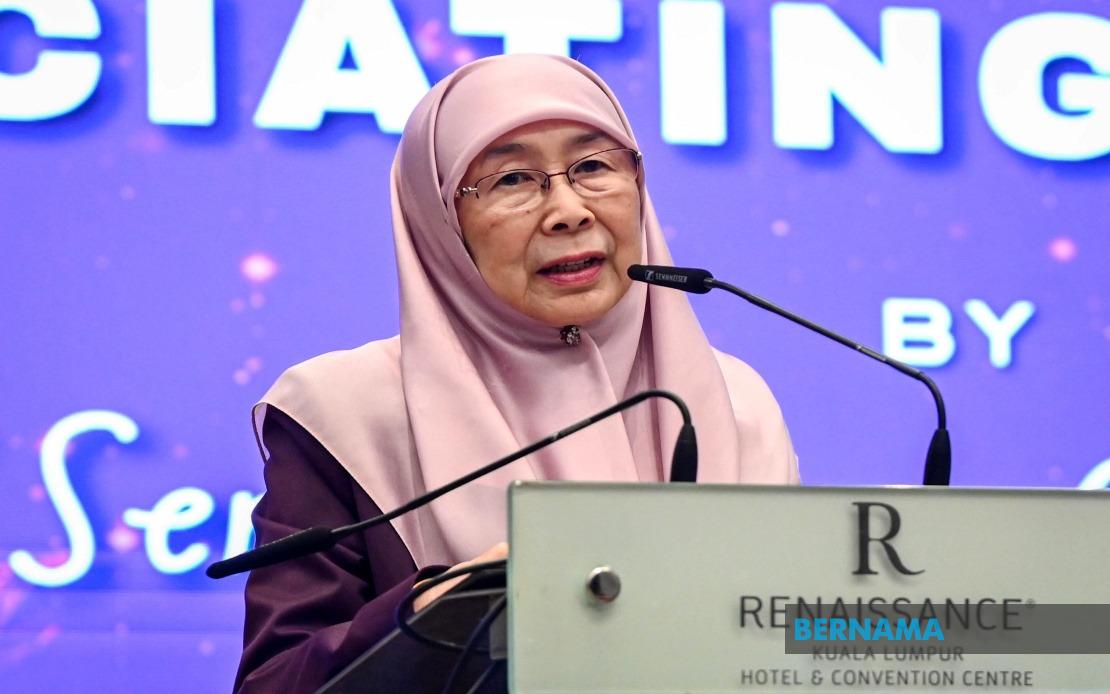
Patient-centred care must remain at the core of how Malaysia's maternal healthcare system operates, with technological progress and medical innovation guided fundamentally by compassion for those receiving treatment, according to Datuk Seri Dr Wan Azizah Wan Ismail, wife of the Prime Minister. Speaking at the launch of the 16th Malaysian Obstetric Anaesthesiology Symposium (MyOASym) 2026 in Kuala Lumpur on July 3, she outlined a vision for maternal care that transcends purely technical excellence to encompass the broader human experience of pregnancy and childbirth.
The measure of achievement in maternal healthcare should extend well beyond the statistics that often dominate clinical assessments, Wan Azizah stressed. Rather than evaluating success solely through mortality rates, complication frequencies, or other traditional medical benchmarks, she advocated for a holistic definition of excellence that recognises the profound psychological and emotional dimensions of childbirth. The dignity afforded to mothers, the respect shown by medical teams, and the quality of emotional support available to families throughout pregnancy and delivery form equally vital components of a healthcare system that truly serves its patients.
This philosophical stance reflects a growing recognition within the global healthcare community that the patient experience is not secondary to clinical outcomes but rather intertwined with them. For Malaysian healthcare providers and policymakers, this perspective carries particular weight given Malaysia's ongoing efforts to maintain and improve its maternal mortality rates while facing increasing complexity in pregnancy management. The emphasis on treating the whole person rather than merely addressing medical conditions aligns with international best practice standards increasingly adopted across Southeast Asia.
Wan Azizah acknowledged that the landscape of maternal medicine has grown considerably more complicated in recent decades. Healthcare systems across Malaysia and the region now must manage pregnancies involving factors once considered rare or high-risk: women at advanced maternal ages pursuing childbirth, cases where obesity complicates pregnancy management, mothers with serious pre-existing cardiac conditions requiring specialised care, and the life-threatening emergency of obstetric haemorrhage. These evolving clinical challenges demand healthcare professionals possess not only up-to-date technical knowledge but also the ability to collaborate seamlessly across disciplinary boundaries.
Addressing these complex scenarios cannot fall to individual specialists working in isolation, she emphasised. The traditional model where obstetricians, anaesthesiologists, and neonatologists operate independently within their respective domains has proven inadequate for managing the intricate cases increasingly prevalent in modern maternal medicine. Instead, she called for systematic, regular multidisciplinary simulation training sessions where these different specialists work together before crises occur, building the trust, communication patterns, and coordinated response capabilities essential when genuine emergencies unfold in delivery theatres and intensive care units.
Simulation training represents a powerful tool for maternal healthcare improvement because it allows professionals to practise high-stakes decision-making in a controlled, consequence-free environment. Teams can rehearse responses to obstetric haemorrhage, cardiac emergencies during labour, and other life-threatening scenarios until their responses become instinctive and coordinated. For Malaysia's healthcare system, where resources must often stretch across varied settings from major tertiary centres to district hospitals, building this training culture offers opportunity to raise safety standards systematically.
Beyond structured training, Wan Azizah advocated for institutional changes that embed safety and communication directly into workplace culture. Early warning systems that alert teams to deteriorating maternal conditions must be implemented widely, not merely in flagship institutions. More importantly, workplaces must cultivate environments where communication flows freely across hierarchies, where junior staff feel empowered to raise concerns about patient safety without fear of reprimand, and where debriefing after incidents happens routinely. These organisational factors often determine whether high-risk situations result in successful outcomes or preventable tragedies.
The Bandar Tun Razak Member of Parliament also addressed the next generation of medical professionals entering the maternal healthcare field. She counselled them against viewing medical training as a destination to be reached but rather as the commencement of a lifelong learning journey. In a field where evidence and best practices evolve continuously, the curiosity and intellectual humility to question existing approaches and seek mentorship from experienced colleagues becomes as important as technical certification. She encouraged young professionals to develop alongside their clinical skills a capacity for empathy, recognising that the mothers and families they serve experience vulnerability and fear alongside medical vulnerability.
Malaysia's maternal healthcare community demonstrated its commitment to international collaboration and knowledge exchange through the diverse participation at the symposium. Healthcare professionals attending came not only from across Malaysia's various states and federal territories but also from Singapore, Hong Kong, and Pakistan. This regional and cross-border participation suggests growing momentum toward establishing shared standards and collaborative learning networks across Southeast Asia and South Asia, potentially raising maternal health outcomes across the entire region through collective expertise and experience-sharing.
The timing of such advocacy for compassion-centred innovation arrives as Malaysia and regional neighbours face sustained pressure to improve maternal health indicators while managing resource constraints and growing clinical complexity. By articulating clearly that excellence in maternal healthcare encompasses both technical prowess and human dignity, Wan Azizah has provided clear direction for how the healthcare system should evolve. The challenge now lies in translating these principles into concrete changes in training curricula, institutional protocols, and workplace cultures across Malaysia's diverse healthcare settings.

