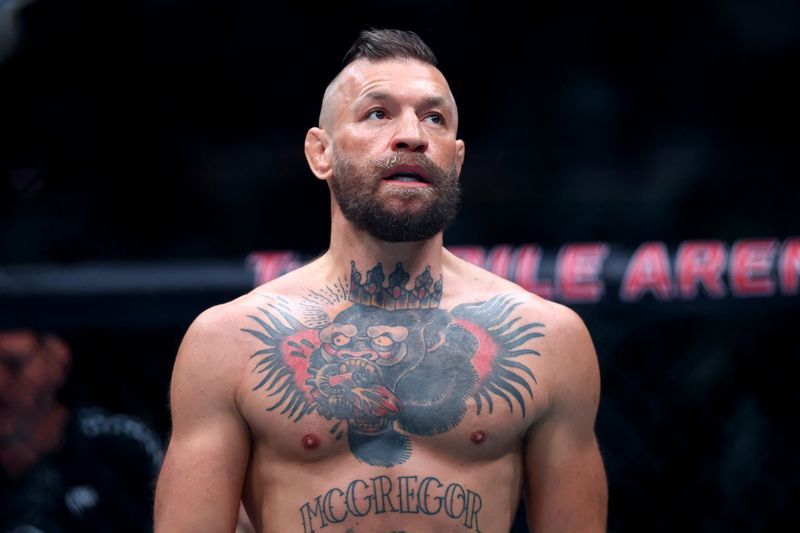
Conor McGregor's highly anticipated return to competitive mixed martial arts concluded almost as soon as it began on Saturday night. The Irish fighter withdrew from his UFC 329 bout against Max Holloway at the T-Mobile Arena in Las Vegas after sustaining a devastating knee injury, having competed for barely more than a minute. What was meant to mark a triumphant comeback for one of the sport's biggest names instead became another chapter in a saga marked by setbacks and struggles.
The injury occurred early in the opening round when McGregor executed a flying kick but landed awkwardly, immediately signalling distress. After struggling to continue for a handful of seconds, he gestured to the referee that he could not proceed, bringing his comeback attempt to a premature conclusion. The moment served as a stark reminder of the physical and organisational challenges that have plagued his career in recent years.
McGregor, now 37 years old, had not stepped into the octagon since July 2021, when he suffered a broken leg during a fight against Dustin Poirier. That near four-year absence represented an enormous gap in his competitive history, and the brief nature of Saturday's outing raises fresh questions about his readiness and ability to maintain the elite fitness levels required at the highest levels of professional fighting.
His path to this comeback had been fraught with complications. A scheduled bout with American lightweight Michael Chandler, originally planned for June 2024, was cancelled after McGregor sustained a broken toe during training camp. Beyond the physical injuries, his career has been derailed by off-cage complications. A jury in an Irish civil court found him liable in a 2018 rape allegation case, a legal verdict that drew international attention and further complicated his public standing.
Additionally, McGregor faced sanctions from anti-doping authorities. In October 2025, he accepted an 18-month ban for whereabouts failures after missing three separate testing collection attempts by Combat Sports Anti-Doping during 2024. Although the suspension was backdated to allow it to expire in March, the sanction underscored ongoing compliance issues that extended beyond the physical demands of the sport.
Saturday's opponent, Max Holloway, remains one of the most respected lightweights and featherweights in UFC history. The pair had met previously in 2013, with McGregor securing a unanimous decision victory back then. Holloway expressed openness to a rematch once McGregor recovers, acknowledging the commercial appeal and unfinished business between them. He suggested a return engagement would serve the broader interest of both fighters and the fanbase that had invested in their rivalry.
The co-main event of the evening provided a contrasting narrative of swift dominance. British fighter Paddy Pimblett faced French lightweight Benoit Saint-Denis in a bout that required even less time to conclude than McGregor's comeback attempt. Pimblett secured victory through submission, successfully executing a chokehold in less than 60 seconds. While Pimblett's performance demonstrated the brutality and unpredictability that can unfold within the octagon, his victory underscored just how abruptly fights can turn in combat sports.
For Malaysian and Southeast Asian combat sports enthusiasts, McGregor's latest setback carries broader implications. His repeated injury troubles and complications underscore the physical toll that elite mixed martial arts exacts on aging athletes, even those with exceptional skill and experience. The narrative also highlights how off-cage factors—legal troubles, compliance issues, and personal conduct—increasingly intersect with athletic performance at the professional level.
McGregor's injury trajectory also invites reflection on the nature of professional sports recovery and rehabilitation. The four-year layoff between his Poirier fight and this weekend represents an extraordinarily long gap, particularly for an athlete competing in a sport demanding peak physical condition. Returning from such an extended absence creates compounded risks, as conditioning, timing, and muscle memory require substantial rebuilding.
Looking forward, McGregor faces a significant recovery period from his latest knee injury, adding yet another chapter to a career increasingly defined by interruptions rather than continuous competition. His future in the sport remains uncertain, though Holloway's willingness to engage in a rematch suggests the commercial machinery surrounding McGregor remains intact despite these mounting obstacles. Whether he can overcome another serious injury and return to genuine competitive form represents an open question that extends well beyond sporting intrigue.

