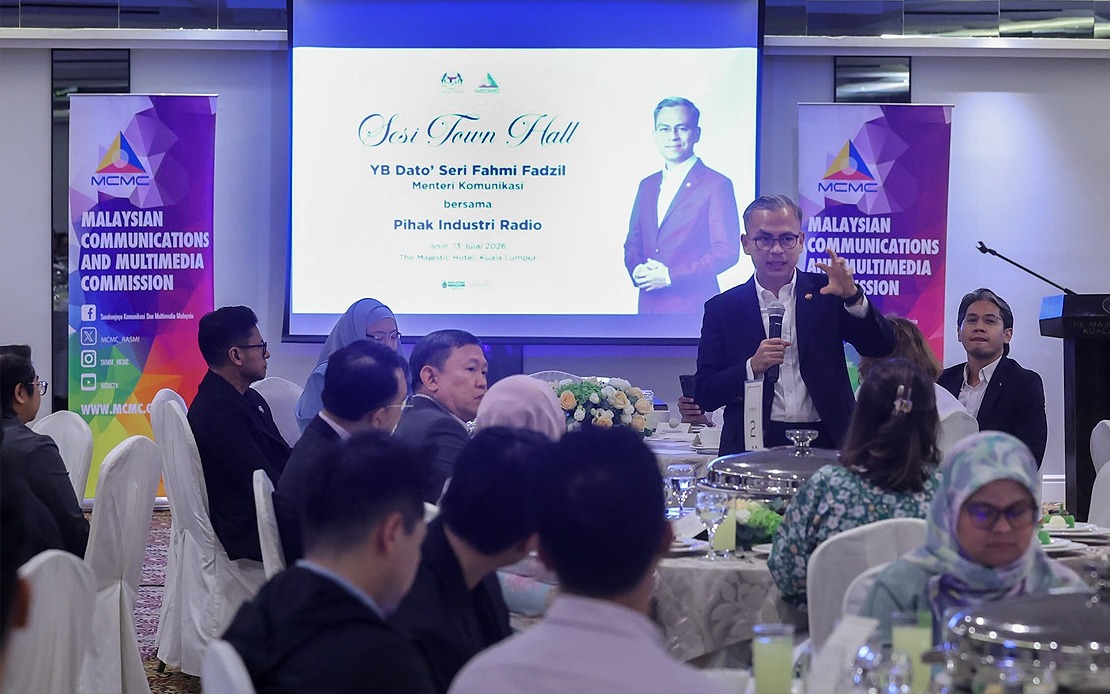
Communications Minister Datuk Seri Fahmi Fadzil has announced that the government intends to undertake a thorough examination of the radio industry landscape, with the Malaysian Communications and Multimedia Commission leading the initiative. The move forms part of a broader strategy to fortify the country's broadcasting ecosystem during a period of rapid technological change and evolving media consumption patterns. This review aligns with the government's larger objectives under the National Creative Industry Policy and complements the strategic priorities outlined by the Orange Economy Council, signalling that radio remains a significant component of Malaysia's cultural and economic agenda.
The decision to conduct this study emerged following a town hall engagement where Fahmi gathered input directly from radio broadcasters and industry stakeholders. These consultations provided an opportunity for operators to articulate the challenges they face and propose actionable solutions to strengthen the sector's long-term viability. By creating a forum for dialogue between regulators and industry participants, the government demonstrated a commitment to evidence-based policymaking that incorporates frontline perspectives rather than imposing top-down directives without consultation.
Several critical dimensions will come under scrutiny during the review process. The enhancement of local music content represents a priority area, reflecting growing concerns that Malaysian radio stations must provide greater exposure to homegrown artists and compositions to remain culturally relevant and competitive. This focus carries implications beyond the music industry alone—supporting local musicians strengthens the broader creative economy and generates employment within the entertainment sector. Additionally, the review will examine existing licensing models, which govern how stations operate and the conditions they must satisfy to maintain their broadcast rights.
Industry sustainability stands as another cornerstone of the examination. Radio operators have confronted mounting pressure from digital platforms and changing listener habits, particularly among younger demographics who increasingly consume content through streaming services and social media rather than traditional broadcast formats. Understanding the financial pressures that stations face—whether related to advertising revenue decline, operational costs, or infrastructure investment requirements—will be essential for crafting policies that enable the sector to remain economically viable while fulfilling public interest obligations.
The integration of radio within Malaysia's rapidly evolving digital ecosystem presents both challenges and opportunities that the review must address. Traditional broadcasters must adapt their business models to incorporate digital distribution channels, online audience engagement, and integration with social media platforms. Policymakers will need to consider how regulations designed for terrestrial broadcasting can be adapted or supplemented to encourage innovation without compromising standards for content quality or broadcast reliability. The framework that emerges from this study could determine whether Malaysian radio thrives as a hybrid medium or gradually diminishes in relevance.
Fahmi emphasised the government's ongoing commitment to collaborate with industry players throughout this process and beyond the formal review period. This collaborative approach suggests that the resulting policy recommendations will reflect genuine partnership between the public sector and private broadcasters, rather than regulatory impositions that industry members perceive as burdensome or misaligned with commercial realities. Such partnership models have proven effective in other Southeast Asian markets where regulators and operators have jointly addressed sector challenges.
The timing of this initiative carries significance within Malaysia's broader economic transformation agenda. The government has positioned the creative industries and orange economy as growth drivers for the nation, and radio—as an accessible medium with wide reach across urban and rural populations—remains a valuable platform for distributing creative content and supporting artists. By revitalising the radio sector through policy reform and industry strengthening, the government can unlock additional value from this existing infrastructure while supporting creative professionals.
Regional context adds further importance to Malaysia's radio policy review. Neighbouring countries including Indonesia, Thailand, and the Philippines have undertaken similar initiatives to modernise their broadcasting frameworks and ensure traditional media remains relevant amid digital disruption. Malaysia's approach will be watched by other Southeast Asian broadcasters as a potential model for balancing regulatory responsibility with industry development objectives. A successful review could enhance Malaysia's standing as a regional leader in creative industry policy and demonstrate sophisticated approaches to managing media sector transitions.
The review process itself will require careful consultation with multiple stakeholder groups beyond the initial town hall session. Listener organisations, content creators, advertising agencies, technology providers, and civil society groups with interest in media diversity and independence should ideally be included in the deliberation process. Ensuring that the final policy framework reflects diverse perspectives will strengthen its legitimacy and improve the likelihood of successful implementation across the industry.
Looking forward, the outcomes of this MCMC review could reshape Malaysia's broadcasting landscape significantly. Policy recommendations might include revisions to licensing requirements, new frameworks for digital radio transmission, incentives for local content production, or regulatory approaches that allow greater experimentation with new business models. The government's stated commitment to ensuring radio remains relevant, competitive, and close to the Malaysian public suggests that the resulting policies will prioritise the medium's accessibility and cultural contribution alongside commercial sustainability considerations.

