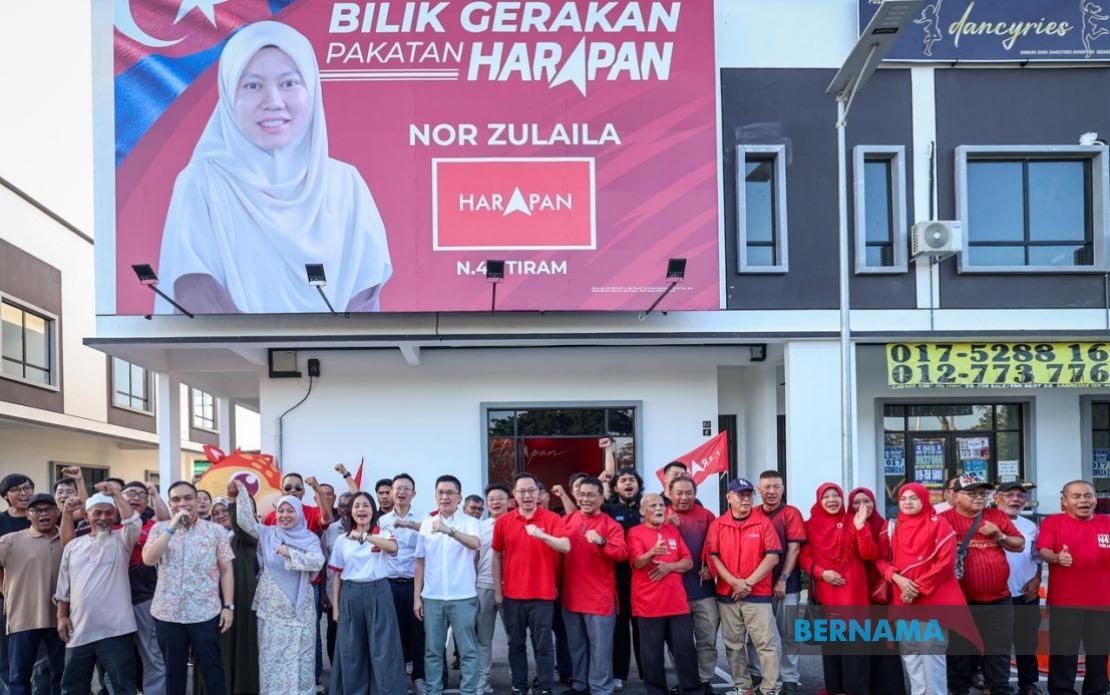
The Malaysian Communications and Multimedia Commission (MCMC) has been tasked with maintaining robust internet infrastructure throughout the Johor state election campaign, according to Deputy Communications Minister Teo Nie Ching. The directive underscores the growing importance of digital connectivity in modern electoral processes, particularly as political parties increasingly rely on online platforms to reach voters and coordinate grassroots activities across the state.
Teo made the announcement during the launch of Pakatan Harapan's operations room for the N40 Tiram constituency in Pasir Gudang, emphasising that reliable internet access represents a fundamental requirement for conducting effective campaign operations. The emphasis on connectivity reflects broader recognition within Malaysia's political establishment that digital infrastructure now underpins how parties mobilise supporters, communicate policy positions, and disseminate information to voters during election periods.
The Deputy Communications Minister stressed that MCMC will implement continuous surveillance of network performance, with particular attention to areas anticipated to host significant public gatherings. Large-scale political rallies and campaign events depend heavily on stable internet connections for live-streaming, coordinating volunteer activities, and managing real-time communication with supporters. This proactive approach aims to prevent technical disruptions that could undermine campaign effectiveness or create frustration among organisers and attendees.
Internet connectivity has emerged as a critical electoral infrastructure component in Southeast Asia, where digital campaigning has become standard practice. Political parties now operate sophisticated social media campaigns, conduct voter outreach through messaging applications, and livestream campaign events to maximise reach beyond physical venues. Malaysia's experience reflects regional trends where digital divides between urban and rural areas can influence campaign accessibility and voter engagement patterns.
Teo, who also serves as Johor DAP chief, reported that initial feedback from constituents has been markedly positive, suggesting strong voter enthusiasm for the upcoming election. Ground-level campaign efforts have revealed encouraging signs of civic participation, with many voters—including those residing outside their home constituencies—signalling their intention to return to vote on polling day. This pattern indicates robust democratic engagement and suggests that voters view the election as sufficiently significant to warrant logistical effort.
The DAP's campaign strategy prioritises comprehensive coverage across all 17 seats the party contests, deliberately avoiding any designation of constituencies as "safe seats." This approach reflects practical political wisdom; complacency in supposedly secure constituencies can erode voter margins and allow opposition parties to gain unexpected ground. By maintaining uniform attention across all contests, the party aims to consolidate support systematically rather than concentrating resources only in marginal battlegrounds.
Teo acknowledged that distinct challenges characterise different electoral districts within Johor, requiring tailored campaign approaches rather than standardised messaging. Urban constituencies may prioritise different policy concerns than rural areas; demographic compositions vary significantly; and local historical voting patterns influence electoral dynamics. Effective campaigning therefore demands ground-level understanding of specific constituent needs and preferences rather than blanket strategies applied uniformly across regions.
The electoral calendar moves with considerable speed, with nomination day scheduled immediately following the ministerial announcement. Early voting opportunities will occur on July 7, while polling day is set for July 11, compressing the official campaign period significantly. This condensed timeline means that parties must mobilise efficiently, with internet infrastructure playing a decisive role in coordinating distributed campaign activities across Johor's diverse geography.
The MCMC's monitoring mandate addresses both technological and political dimensions of the election process. From a technical perspective, the commission must ensure network capacity meets demand as simultaneous campaign activities unfold across multiple constituencies. From a political perspective, reliable internet access facilitates information flow to voters and enables diverse candidates and parties to communicate their positions to the electorate. Disruptions or uneven coverage could disadvantage smaller parties or independent candidates with fewer resources for alternative communication channels.
For Malaysian voters, the focus on internet infrastructure reflects evolving campaign practices where digital engagement complements traditional forms of political outreach. Online platforms enable voters to access candidate information, party manifestos, and comparative policy positions from home, supplementing information gathered at rallies or through traditional media. Enhanced connectivity particularly benefits voters with mobility constraints, carers with limited time for campaign event attendance, and younger demographics preferring digital information sources.
The Johor state election represents a significant electoral contest within Malaysia's broader political landscape, involving multiple parties competing across numerous constituencies. The state's economic importance, diverse demographic composition, and strategic geographic location make electoral outcomes potentially consequential for national political alignments. Ensuring equitable campaign infrastructure, including stable internet connectivity, contributes to electoral legitimacy by enabling all contestants fair access to voter communication channels.
Beyond the immediate election context, MCMC's commitment to monitoring internet coverage during the campaign period reflects broader policy recognition that digital infrastructure constitutes essential public infrastructure comparable to transportation networks or electrical grids. As political campaigns increasingly centre on digital platforms, ensuring reliable connectivity becomes a governance priority rather than merely a partisan concern. This infrastructure investment ultimately serves democratic processes by facilitating voter information access and enabling candidates from diverse backgrounds to reach constituents effectively.

