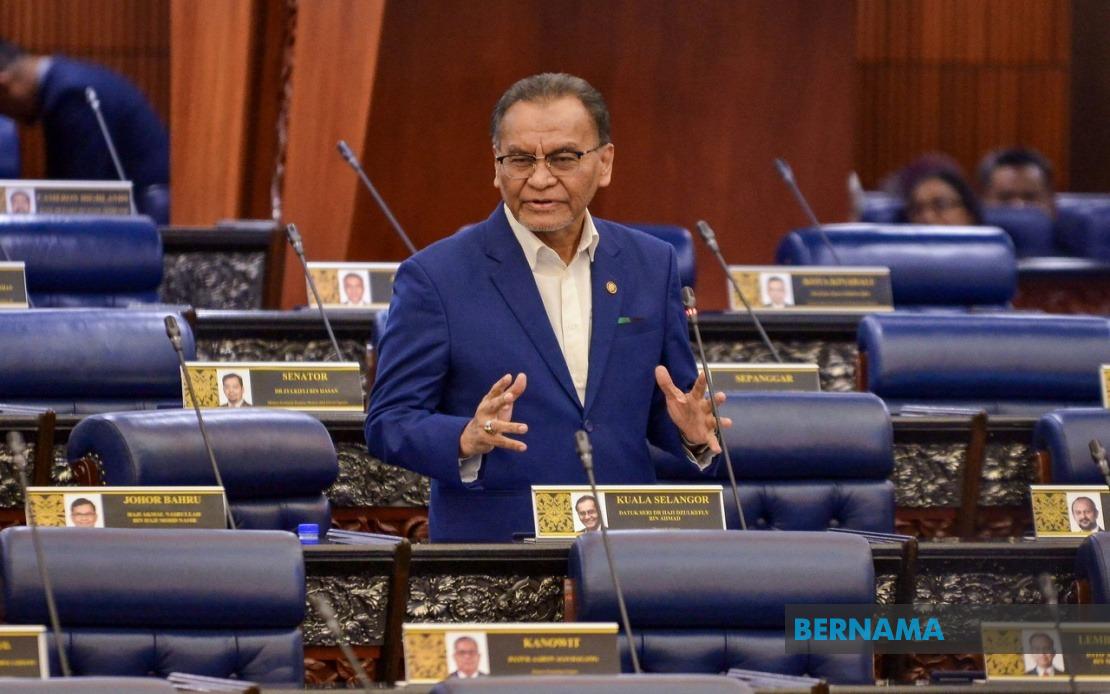
The Malaysian government has unveiled a comprehensive strategy to broaden healthcare coverage across income levels, introducing MediAsas as a key pillar in its push to make private medical protection more accessible and affordable. Health Minister Datuk Seri Dr Dzulkefly Ahmad outlined the initiative during parliamentary proceedings, emphasizing that the new scheme forms part of a wider suite of programmes designed to strengthen the nation's health protection framework and respond to mounting pressures on both public and private healthcare systems.
MediAsas represents a targeted intervention for Malaysia's middle-income earners, who have historically occupied an uncomfortable position in the healthcare landscape. Unlike the B40 group, which benefits from subsidized public facilities and dedicated assistance schemes, the M40 population often finds itself squeezed between modest income levels and escalating private healthcare expenses. The scheme offers medical insurance and takaful products with competitively priced premiums, creating a bridge between the comprehensive but sometimes overburdened public system and the costly private sector. By specifically designing MediAsas for this demographic, policymakers acknowledge a genuine gap in affordable private health protection that has grown wider as medical inflation continues to outpace wage growth for many Malaysian families.
The mechanism underlying MediAsas incorporates an innovative approach to standardizing private healthcare costs through the adoption of Diagnosis Related Group (DRG)-based payment structures. This methodology, already established in many advanced healthcare systems, ties reimbursement rates to specific diagnoses rather than allowing hospitals to set charges based on individual procedures and services. The gradual integration of DRG pricing at participating private hospitals should theoretically create transparency and predictability in billing, making private healthcare less financially volatile for insured patients and their families. For Malaysia's healthcare sector, this represents a meaningful step toward cost discipline in the private domain, an area that has historically lacked the regulatory oversight applied to government facilities.
The government has carefully framed MediAsas as complementary rather than replacement, a distinction that carries significant political and practical weight. The public healthcare system remains the foundation of Malaysia's Universal Health Coverage commitment, funded through taxation and providing services to all citizens regardless of ability to pay. By positioning MediAsas alongside, not instead of, this existing infrastructure, the administration signals continued commitment to the public sector while acknowledging that additional layers of coverage can serve those seeking private alternatives. This nuanced approach recognizes that healthcare preferences in Malaysia are shaped by geography, waiting times, perceived quality variations, and personal circumstances—factors that a one-size-fits-all public system cannot entirely address regardless of resources committed.
The rollout strategy reflects pragmatic policymaking, with a carefully staged implementation beginning with a pilot phase in the Klang Valley. This six-month test run, scheduled to commence at the end of July, will involve six insurance and takaful companies operating within the densely populated economic heartland of Selangor and Kuala Lumpur. The Klang Valley pilot offers advantages: high population density for recruiting participants, concentration of private hospitals for data collection, and relative homogeneity in healthcare infrastructure compared to rural or less developed regions. By January 2027, assuming successful pilot outcomes, MediAsas will expand nationally, allowing the health ministry and participating insurers to refine operational procedures, adjust premium structures, and address implementation challenges before scaling across Malaysia's geographically and demographically diverse landscape.
The broader RESET framework within which MediAsas sits encompasses interconnected reforms aimed at structural efficiency rather than mere cost-shifting. Electronic medical records interoperability stands as a particularly significant component, addressing the substantial waste generated when patients duplicate diagnostic imaging and laboratory tests across fragmented systems. In Malaysia's context, where patients often navigate between public and private facilities, medical universities, and specialist centers, the absence of unified records creates genuine inefficiencies that ultimately inflate costs. By establishing systems through which authorized providers can access relevant patient history and previous test results, the framework reduces unnecessary investigations and accelerates clinical decision-making—benefits that accrue to both patients and the healthcare system.
Private hospital billing restructuring represents another critical reform element, targeting an area where Malaysian patients frequently encounter unexpected expenses and opaque charges. Unlike public hospitals, where costs are largely transparent and subsidized, private facilities have historically operated with significant pricing autonomy, sometimes charging vastly different amounts for identical procedures based on patient circumstances, negotiating power, or insurance coverage. The RESET framework's billing reforms aim to inject greater standardization and predictability into this domain, protecting consumers from surprise charges while creating competitive pressure for efficiency among private providers. For many Malaysian families, particularly the M40 group with limited financial buffers, such reforms address a genuine source of anxiety around healthcare access.
The B40 population, meanwhile, receives reinforcement through existing and continuing protection mechanisms rather than new flagship initiatives. The network of 154 government hospitals and over 3,000 public health facilities ensures geographical accessibility and financial protection for the poorest 40 percent of households. Complementary schemes including PeKa B40, the MADANI Healthcare Scheme, and MySalam provide additional layers of coverage for specific needs or vulnerable populations. This multi-layered approach for the B40 group reflects recognition that lower-income Malaysians face distinct healthcare challenges—geographic barriers, transportation costs, competing financial pressures—that require targeted rather than one-size-fits-all solutions. The emphasis on maintaining public facility capacity remains critical for this segment, which depends disproportionately on government healthcare provision.
MediAsas's explicit attention to pre-existing conditions, non-communicable diseases, and mental health challenges marks a progressive departure from traditional medical insurance frameworks that have historically excluded or heavily restricted coverage for these categories. Malaysia's aging population and rising prevalence of conditions including diabetes, hypertension, and cardiovascular disease create substantial demand for coverage that accommodates chronic conditions rather than denying protection to individuals with established diagnoses. Similarly, the inclusion of mental health within MediAsas reflects growing recognition that psychological and psychiatric conditions represent significant healthcare burdens affecting quality of life and economic productivity. By addressing these categories within an affordable insurance product, MediAsas positions Malaysia as increasingly attentive to comprehensive health protection rather than acute-care-focused coverage.
The implementation of MediAsas occurs within a regional context where other Southeast Asian nations have pursued various models of healthcare financing and protection. Thailand, for instance, has developed multiple schemes serving different income groups with variable success in coverage extension and cost control. Indonesia and the Philippines grapple with similar challenges of extending quality healthcare to growing middle-income populations while maintaining safety nets for vulnerable groups. Malaysia's layered approach—maintaining a strong public foundation while enabling market-based solutions for those seeking private options—reflects policy learning from regional neighbors and global evidence on healthcare systems. The scheme also signals Malaysia's continued positioning as a relatively advanced healthcare provider regionally, with institutional capacity to implement sophisticated insurance mechanisms and hospital cost standardization.
Looking forward, MediAsas success will hinge on several interdependent factors beyond the insurance design itself. Participation rates among both individual consumers and private healthcare providers will determine whether genuine cost discipline emerges or whether the scheme becomes marginalized. Premium pricing must remain truly affordable for M40 households while generating sufficient revenue to create attractive products for insurers and takaful operators. The technical implementation of DRG-based billing across diverse private hospitals with varying operational systems presents logistical challenges that could delay realization of projected efficiencies. Public communication about MediAsas must cut through complexity to help potential users understand what coverage entails, how it complements public healthcare, and why the scheme addresses their particular circumstances. For Malaysia's healthcare system, which faces mounting pressures from demographic aging, rising disease burdens, and technological advances, MediAsas represents one piece of a larger puzzle requiring continuous innovation, cross-sector collaboration, and sustained political commitment to making quality healthcare accessible across income levels.

