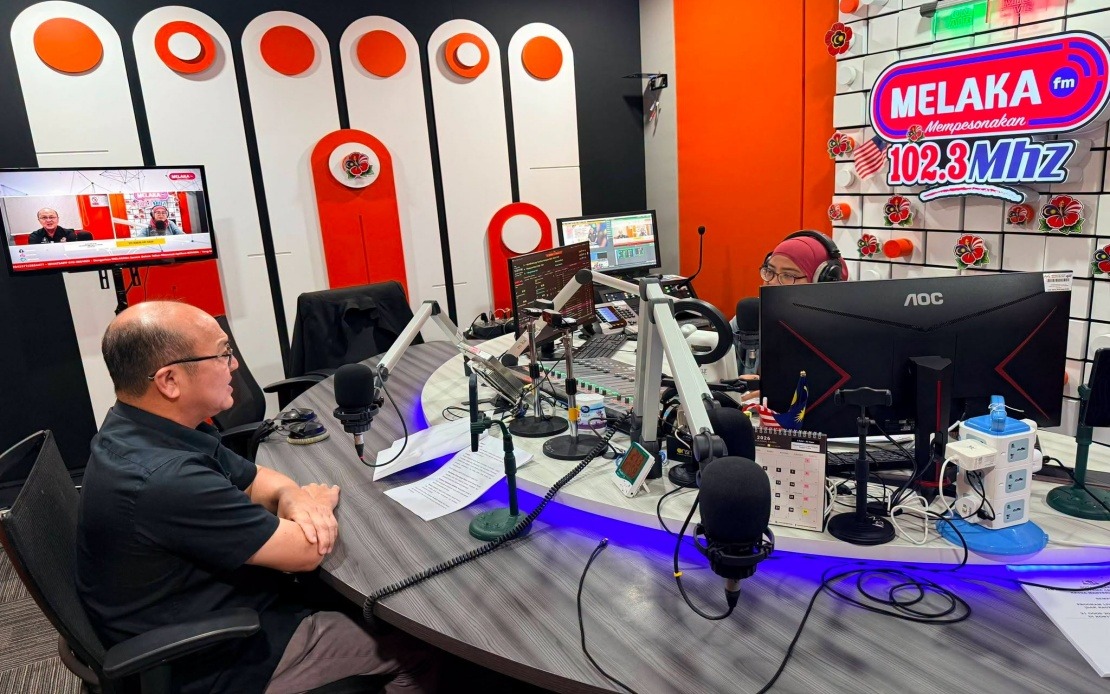
Melaka is preparing an ambitious transportation initiative to accommodate visitors attending the 69th National Day celebrations and the Melaka Civil-Military Cooperation (CIMIC) Carnival 2026, scheduled for August 29 to 31 at Dataran 1Malaysia Klebang. The state will mobilise a combined fleet of 30 buses and 90 shuttle vans operating free of charge across a strategically distributed network of 13 pickup locations, according to Datuk Ngwe Hee Sem, chairman of the State Health, Human Resources and Unity Committee.
The logistics operation reflects the scale of the three-day event, with organisers projecting between 50,000 and 80,000 visitors for the state-level National Day celebrations alone. The sheer volume of attendees necessitates comprehensive crowd management strategies, making the free shuttle service a critical component of the overall event infrastructure. This measure underscores how state governments in Malaysia are increasingly investing in visitor mobility as a core element of major public celebrations, rather than leaving attendees to navigate traffic congestion independently.
The pickup points have been carefully selected to serve the Klebang area and surrounding precincts, encompassing both major attractions and residential zones. Locations include The Sail Gallery, Residensi PR1MA, and the Submarine Museum, alongside commercial and business complexes such as Kota Bendahari, Taman Limbongan Jaya, Taman Syahbandar, and Taman Kota Laksamana. Additionally, key institutional venues like SMK Klebang Besar and Masjid Al-Amin will function as distribution hubs. The Royal Malaysian Navy Ship Exhibition venue and the hotel precinct, represented by Hotel Courtyard, round out the network, while Eye On Melaka serves as another recognisable anchor point for visitors seeking shuttle access.
Operational schedules vary across the three-day programme to align with expected activity patterns and event timings. On August 29, the shuttle service will run from 6 pm to midnight, providing initial evening access for early arrivals and participants preparing for the following days. August 30, designated as the eve of National Day celebrations, will see extended service hours extending from 6 pm until 1 am, accommodating the heightened footfall and festivities anticipated on the eve. August 31, the main celebration day, features dual operating windows: early morning service from 4 am to 7 am for contingents and official participants assembling for the parade, and daytime service from noon to 3 pm for general public attendance during peak celebration hours.
The free shuttle initiative serves multiple policy objectives beyond mere convenience. Ngwe explained that the service is designed to facilitate seamless visitor circulation throughout the three-day programme while simultaneously managing traffic congestion across the broader Klebang locality. By providing attractive and free alternative transportation, the scheme reduces reliance on private vehicles, thereby minimising road congestion, shortening travel times, and enabling law enforcement and event staff to focus on security and coordination rather than traffic management. This integrated approach to visitor mobility represents evolving best practices in event management across Malaysian cities.
The National Day component of the event promises substantial ceremonial significance, with 125 contingents and 7,790 total participants expected to take part in the day's activities. The parade itself will feature 31 vehicles, including 11 specially decorated cars, adding visual spectacle to the proceedings. These numbers illustrate the diversity of organisations, schools, civil society groups, and military units involved in the state-level commemoration, each bringing distinct contributions to the celebration of Malaysia's national identity and achievement.
For Melaka specifically, hosting this combined carnival and National Day celebration positions the state as an active node in Malaysia's national commemorative calendar. The CIMIC Carnival, which emphasises civil-military cooperation, reflects the growing trend of integrating defence and civilian community engagement into public celebrations. This programmatic combination allows attendees to experience both patriotic ceremonies and community-oriented activities, broadening the appeal of the event beyond traditional audiences and strengthening civic participation.
The transportation infrastructure required for such an event demands considerable logistical coordination. Managing 30 buses and 90 vans across 13 dispersed pickup points requires real-time communication systems, driver briefings, and traffic coordination to prevent bottlenecks. The extended hours across different days necessitate shift planning and vehicle maintenance scheduling. These operational complexities, while often invisible to attendees, represent significant resource commitments by Melaka's state government and demonstrate the institutional capacity required to deliver large-scale public events in Malaysia.
For Malaysian travellers and Melaka residents, the availability of free shuttle services reduces the friction associated with attending major celebrations. Visitors from other states considering attendance can plan their journeys with greater certainty, knowing that parking challenges and the need to drive are substantially mitigated. For local residents, the free service democratises access to what are often family-oriented celebrations, removing cost barriers that might otherwise limit participation among lower-income households.
The success of this transportation scheme will likely influence how other Malaysian states approach visitor mobility for future major events. If the August 29–31 celebrations proceed smoothly with efficient shuttle operations, it may establish a template for similar initiatives elsewhere. Conversely, any logistical challenges encountered during the three days could provide valuable lessons for refining public transportation strategies at forthcoming celebrations throughout the region.
Beyond the immediate operational horizon, such comprehensive public transportation systems for celebrations also signal the gradual professionalisation of event management in Malaysian state capitals. The investment reflects growing recognition that attendee experience and satisfaction depend partly on solving mundane logistical problems elegantly. As Malaysia's cities continue to host larger and more frequent public celebrations, the sophistication of supporting infrastructure—including visitor transportation—will likely emerge as a competitive differentiator among states seeking to position themselves as premier celebration destinations.

