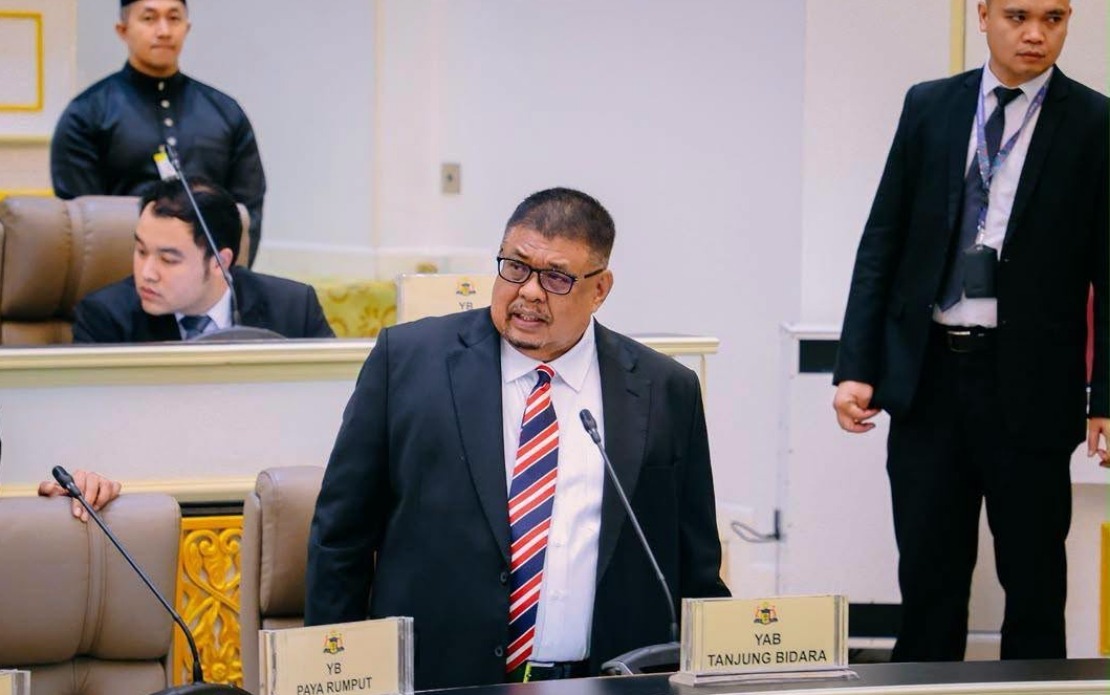
Melaka's Chief Minister Datuk Seri Ab Rauf Yusoh has moved to reassure stakeholders that the state's government machinery will operate without disruption despite the Democratic Action Party's dramatic exit from the ruling coalition. Speaking at a press conference held at the Seri Negeri Complex in Ayer Keroh on Monday, Ab Rauf sought to contain any public anxiety over the sudden political shift that saw the DAP surrender all four of its executive council positions in the state administration.
The departure of the four DAP state assemblymen—Allex Seah Shoo Chin from Kesidang, Low Chee Leong from Kota Laksamana, Leng Chau Yen from Banda Hilir, and Kerk Chee Yee from Ayer Keroh—came in response to the State Legislative Assembly's approval of a constitutional amendment permitting the appointment of assemblymen rather than limiting representation to elected officials. The timing of the withdrawal, implemented immediately following the party's press conference announcement, foreclosed any opportunity for further dialogue on the matter.
Ab Rauf's public posture emphasised continuity and stability, stressing that governance, infrastructure projects, and public service delivery would all proceed on their existing trajectories. This messaging strategy reflects an apparent concern that the coalition rupture could undermine investor confidence or create uncertainty among the civil service and business community about Melaka's administrative coherence. By presenting the transition as orderly and manageable, the Chief Minister aims to prevent the political turbulence from translating into broader economic or bureaucratic disruption across the state.
The Chief Minister acknowledged the changed political landscape while deliberately avoiding recrimination, stating that the former coalition partners need not become adversaries despite their separation from joint governance. This conciliatory framing carries particular significance in Malaysian politics, where coalition politics frequently involve rapid realignments and where maintaining workable relationships across party lines often remains essential for constructive governance at state level. Ab Rauf's language suggested a desire to preserve pathways for future cooperation on specific issues affecting the state's residents, even as the formal governing partnership has dissolved.
Regarding the vacant executive council positions, Ab Rauf indicated that these would not immediately be filled with replacement appointments. Instead, the administrative responsibilities previously handled by the DAP exco members would be redistributed among the remaining administrative team on a temporary basis. This approach sidesteps the contentious question of how to reallocate those portfolios, whether through promoting internal candidates or establishing a coalition with another party, decisions that could themselves provoke further political complications or raise questions about the government's legitimacy and representativeness.
The withdrawal assumes heightened political significance given Prime Minister Datuk Seri Anwar Ibrahim's simultaneous appeal for the DAP to reconsider its decision and postpone the resignation to concentrate instead on development initiatives and public welfare. The Chief Minister's statement essentially closed the door on this intervention by emphasising that the DAP's decision had crystallised the moment the resignation letter was formally submitted, rendering further negotiation procedurally impossible. This position protected both his administration's authority and the DAP's autonomy as a political actor.
Understanding the context of Melaka's fragile coalition dynamics illuminates the stakes of this political drama. The state has experienced several coalition reshuffles in recent years, reflecting broader national patterns of political volatility since the collapse of the Barisan Nasional's long dominance. The amendment to allow appointed assemblymen effectively challenged the democratic principle of elected representation, a move that struck at foundational principles that the DAP, as a party traditionally championing democratic values and transparency, could not comfortably accommodate. The constitutional change thus represented not merely a technical adjustment but a symbolic challenge to the coalition's shared governance philosophy.
For Malaysian observers and regional counterparts tracking the country's political trajectory, this episode illustrates the ongoing tensions between centralising power and maintaining coalition coherence. Melaka's experience demonstrates how state-level governance structures remain vulnerable to disputes over constitutional arrangements and power concentration, issues that resonate across several Malaysian states where multi-party coalitions govern. The DAP's decision to withdraw wholesale rather than negotiate individual compromises suggests the party weighted institutional principles more heavily than the immediate benefits of retaining administrative control.
The broader implications extend beyond Melaka's borders. As the Pakatan Harapan coalition continues navigating the complexities of federal governance alongside managing coalition partners in various states, this Melaka precedent suggests that disputes over constitutional arrangements and democratic principles can swiftly destabilise state-level partnerships. Other coalition governments in Malaysia will likely scrutinise this episode to understand whether similar conflicts could emerge in their own jurisdictions, particularly regarding appointed versus elected representation.
Ab Rauf's measured public response demonstrates an effort to absorb the political shock while protecting administrative continuity, a challenging balancing act that reflects both his personal leadership style and the structural constraints facing any Chief Minister navigating coalition politics in Malaysia's complex federal system. The Chief Minister's insistence on maintaining good relations with the federal government, combined with his reassurances about administrative capacity, suggests confidence that Melaka's government can function effectively without the DAP's participation, at least in the immediate term. Whether this proves sustainable will depend on whether the remaining coalition partners can command a stable majority in the State Legislative Assembly and whether the reallocation of DAP portfolios creates operational bottlenecks or efficiency losses.

