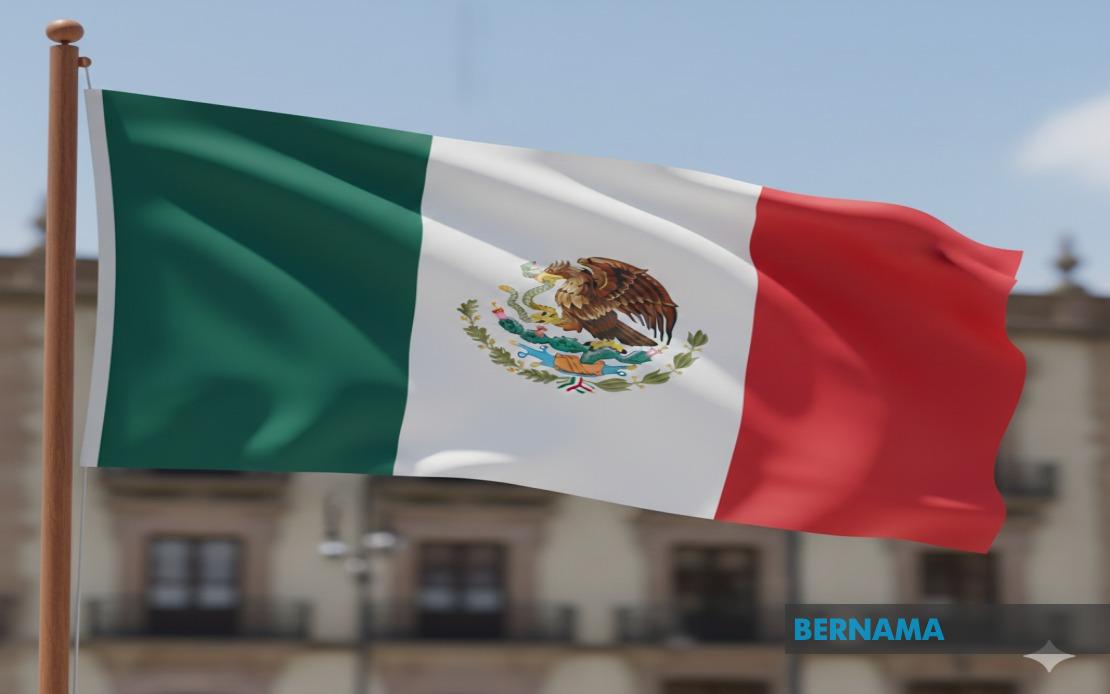
Mexico has taken a significant diplomatic step by formally referring the deaths of Mexican citizens connected to US Immigration and Customs Enforcement operations to the United Nations, marking a shift from purely diplomatic channels towards more assertive international pressure. Foreign Minister Roberto Velasco submitted a letter to UN High Commissioner Volker Türk requesting a comprehensive examination of the incidents and seeking detailed information from American authorities regarding what Mexico describes as a troubling pattern of fatalities. This move reflects deepening frustration within Mexico's government over the handling of cases involving its nationals in US immigration detention and enforcement operations.
The scope of Mexico's concerns extends beyond individual incidents. According to official government data, three Mexican citizens have died during active ICE operations, while an additional fourteen have perished while being held in deportation detention facilities across the United States. These figures underscore what Mexican officials characterize as a systemic problem requiring urgent international scrutiny. The UN Human Commissioner's office has been tasked not only with reviewing the factual circumstances surrounding each death but also with determining whether the US government has fulfilled its obligations under international human rights conventions to which it is a signatory. The Commissioner is further expected to issue formal recommendations and potentially escalate matters through the UN Human Rights Council's special procedures mechanism.
President Claudia Sheinbaum signalled a significant hardening of Mexico's position when she announced last week that her government would no longer confine its response to diplomatic representations. Instead, Mexico intends to pursue formal legal remedies against individuals deemed responsible for wrongdoing. This represents a marked departure from Mexico's traditional approach to bilateral disputes with the United States, indicating the severity with which the current administration views these fatalities. The decision reflects both domestic political pressure and genuine concern among Mexican officials that existing channels have proven inadequate to protect nationals or secure accountability.
Mexico's legal strategy now operates on multiple fronts simultaneously. The Attorney General's Office is preparing a formal complaint targeted at the US Justice Department, with submission scheduled through the Mexican embassy in Washington. This federal-level action aims to initiate criminal or administrative proceedings against those responsible. Simultaneously, Mexico's embassy and consulate network has begun filing separate complaints with state-level prosecutors in jurisdictions where deaths occurred, recognizing that many enforcement actions remain subject to state rather than federal jurisdiction. This multi-layered approach reflects sophisticated understanding of America's federal structure and attempts to exploit every available avenue for accountability.
Mexico has also initiated what legal experts view as preliminary groundwork for civil litigation. The government recently transmitted cease-and-desist letters to detention facilities involved in cases under review, with the Adelanto detention center in California receiving the first such notice. Mexican officials have characterized these communications as formal opening moves toward potential civil lawsuits seeking damages for negligence, misconduct, or wrongful death. The choice to begin with written notification rather than immediate legal filings provides a documented record of Mexico's concerns and may prove strategically valuable should litigation proceed.
The case of Lorenzo Salgado Araujo exemplifies the disputes driving Mexico's escalation and illustrates the factual controversies underlying these incidents. Salgado Araujo, a Mexican national who had established his life in the Houston area over three decades, owning and operating a construction business, was fatally shot on July 7 during an ICE enforcement operation. The US Department of Homeland Security's official account describes a scenario involving resistance to officer commands, deliberate ramming of a law enforcement vehicle, and an alleged attempt to strike an officer with his car, actions that the department claims justified lethal force in self-defense. This narrative has not gone unchallenged, however, and represents precisely the type of incident fueling Mexico's determination to seek independent review.
The official American explanation for Salgado Araujo's death has generated substantial skepticism among multiple constituencies. His family members, American civil rights organizations, and Democratic politicians have collectively called for independent investigation into the shooting, questioning whether the deployment of lethal force was truly necessary or proportionate. These voices suggest alternative scenarios or point to inconsistencies in DHS accounts. The absence of automatic consensus around official explanations, particularly when those accounts originate from agencies involved in the incident, has reinforced Mexico's conviction that external oversight mechanisms are essential to establish accountability and deter future misconduct.
From a broader Latin American perspective, Mexico's actions carry significance beyond bilateral US-Mexican relations. Regional governments increasingly scrutinize how their nationals are treated within American immigration enforcement systems, particularly following deaths and allegations of mistreatment. Mexico's decision to invoke UN mechanisms and pursue formal legal remedies may embolden other nations to adopt similarly assertive postures rather than accepting such incidents as routine administrative matters. This shift potentially signals a recalibration of how developing nations manage tensions with the United States regarding immigration enforcement and citizen protection.
For Malaysia and Southeast Asian nations, Mexico's approach offers instructive lessons regarding protection of nationals abroad and engagement with powerful states through international institutions. The case demonstrates how countries can leverage UN human rights mechanisms to create diplomatic pressure, secure documentation of concerns, and establish records of government-to-government communications regarding alleged misconduct. Simultaneously, Mexico's emphasis on pursuing parallel legal proceedings in US courts shows how nations can exploit jurisdictional complexity to multiply pressure points against institutional actors, a strategy adaptable to various contexts involving citizens detained or harmed in foreign countries.
The longer-term implications of Mexico's escalation remain uncertain. Success in obtaining meaningful US government investigation, disciplinary action against responsible officers, or financial compensation through litigation would constitute unprecedented outcomes in US-Mexican immigration disputes and might establish precedents affecting future cases. Conversely, should Mexico's initiatives prove largely symbolic with limited substantive results, the government's credibility with affected families and domestic constituencies could suffer, potentially prompting even more aggressive future responses. The international community's receptiveness to Mexico's UN referral will also influence whether this strategy generates genuine external pressure or remains primarily a domestic political gesture.

