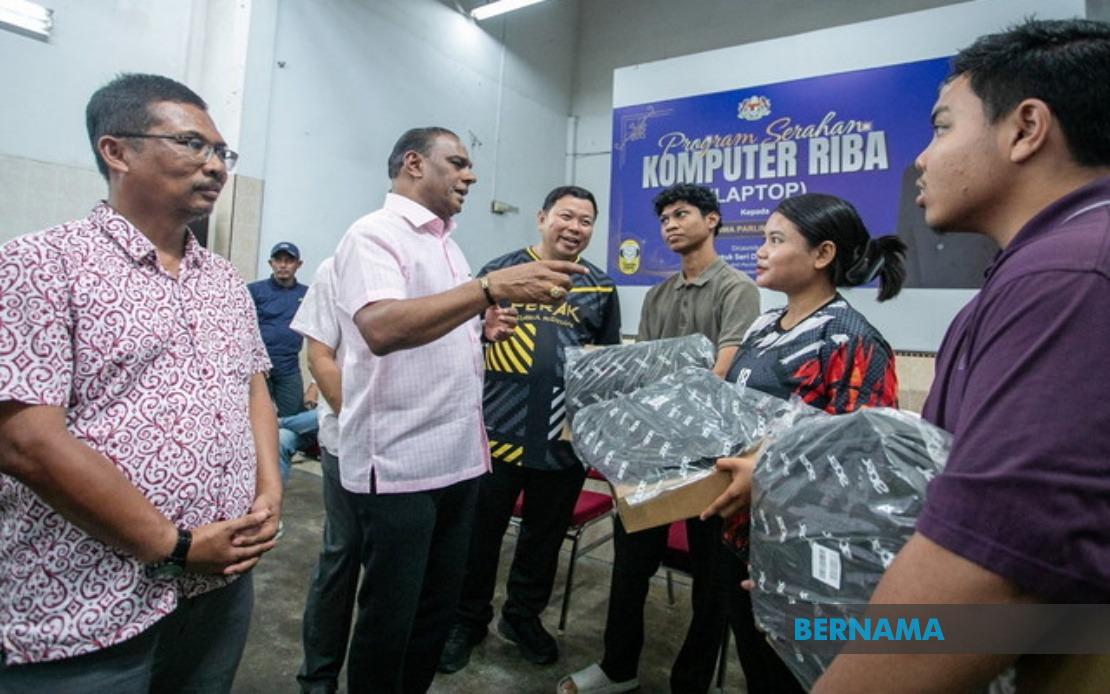
The Malaysian Indian Congress has committed to defending its solitary Melaka state assembly seat in the upcoming state election, while simultaneously exploring the possibility of expanding its electoral footprint across additional constituencies. Datuk Seri M. Saravanan, deputy president of the party, revealed the dual-track strategy during remarks made in Tapah, signalling that MIC intends to maintain its modest but symbolically important presence in the southern state whilst capitalising on potential openings for greater representation.
The party's approach reflects a careful balancing act between consolidating existing strength and strategic ambition. Saravanan explained that before MIC commits to contesting supplementary seats, the party leadership must evaluate several critical dimensions of any expansion. These considerations encompass the demographic viability of proposed constituencies, the calibre and electability of prospective candidates, and realistic assessments of winning prospects in each targeted area. This methodical evaluation process underscores the party's recognition that overextension without proper groundwork could prove counterproductive.
Party president Tan Sri S A Vigneswaran is currently engaged in the preliminary candidate assessment phase, with final decisions anticipated in the near term. This candidate selection process carries particular weight given that MIC, as a component of the Barisan Nasional coalition, must align its positioning with broader BN strategy whilst also demonstrating independent viability. The party's leadership understands that fielding strong, credible candidates remains paramount to electoral success, particularly in constituencies where MIC lacks historical incumbency.
The seat MIC currently holds, Gadek, was secured in the 2021 state election through candidate VP Shanmugam, who prevailed in a six-way contest with a notably narrow margin of 559 votes. This slim victory underscores the competitive nature of the seat and the necessity for MIC to mount a focused retention campaign. Shanmugam's continued viability as the party's standard-bearer in Gadek will likely feature prominently in the leadership's deliberations, particularly given the seat's demonstrated susceptibility to challenge from multiple directions.
Beyond electoral mechanics, MIC has commenced substantive groundwork aimed at reconnecting with its traditional voter base and identifying emerging issues that resonate with constituents. The party recognises that effective campaigning requires intimate knowledge of constituency dynamics, voter sentiment, and contemporary grievances affecting local communities. This voter identification initiative, combined with issue mapping, reflects a more sophisticated approach to electoral strategy than mere candidate deployment.
MIC's cautious expansion strategy sits within the broader context of Malaysian Indian political representation. The party, once a dominant force in Malaysian politics through its historical dominance of Indian-centric constituencies, has witnessed gradual electoral contraction over successive election cycles. Melaka, with its significant Indian population concentrated in specific areas, remains one of the few states where MIC retains meaningful electoral presence. Any expansion here could signal the party's attempt to arrest its national decline and reclaim ground lost to competitors including PKR and DAP, both of which have successfully courted Indian voters.
The timing of these deliberations coincides with broader shifts in Malaysian coalition politics. Barisan Nasional's continued evolution and its working relationships with other blocs create both constraints and opportunities for component parties like MIC. The party must navigate these dynamics whilst also responding to internal pressures from party members seeking greater visibility and electoral opportunities. The balance between BN strategic requirements and MIC's organisational aspirations will significantly influence final decisions regarding seat contests.
For Malaysian Indian voters, MIC's Melaka strategy carries symbolic weight beyond the numerical outcome of any single election. The party's willingness to contest additional seats, contingent on proper preparation, suggests leadership confidence in restoring organisational vitality. Conversely, the cautious approach reflects realism about existing constraints. This measured positioning may appeal to voters seeking substantive Indian representation rather than tokenistic participation in governing coalitions.
The party's emphasis on voter identification and issue assessment also addresses a persistent criticism that traditional BN component parties operate as top-down structures disconnected from grassroots concerns. By prioritising genuine community engagement and concern-mapping, MIC may be attempting to rebuild credibility with constituencies that have drifted toward opposition parties offering more responsive local representation. This ground-level work will prove crucial regardless of whether the party expands beyond Gadek.
As Melaka state election preparations intensify, MIC's performance will carry implications for broader Indian political participation in Malaysian electoral contests. The party's ability to mount competitive campaigns, attract credible candidates, and articulate compelling policy positions will influence whether Indian voters view BN-aligned parties as serious representatives of community interests or peripheral players in coalition arrangements. The coming months will clarify whether MIC's strategic caution masks genuine revival potential or signals resignation to diminished political status in Malaysia's evolving electoral landscape.

