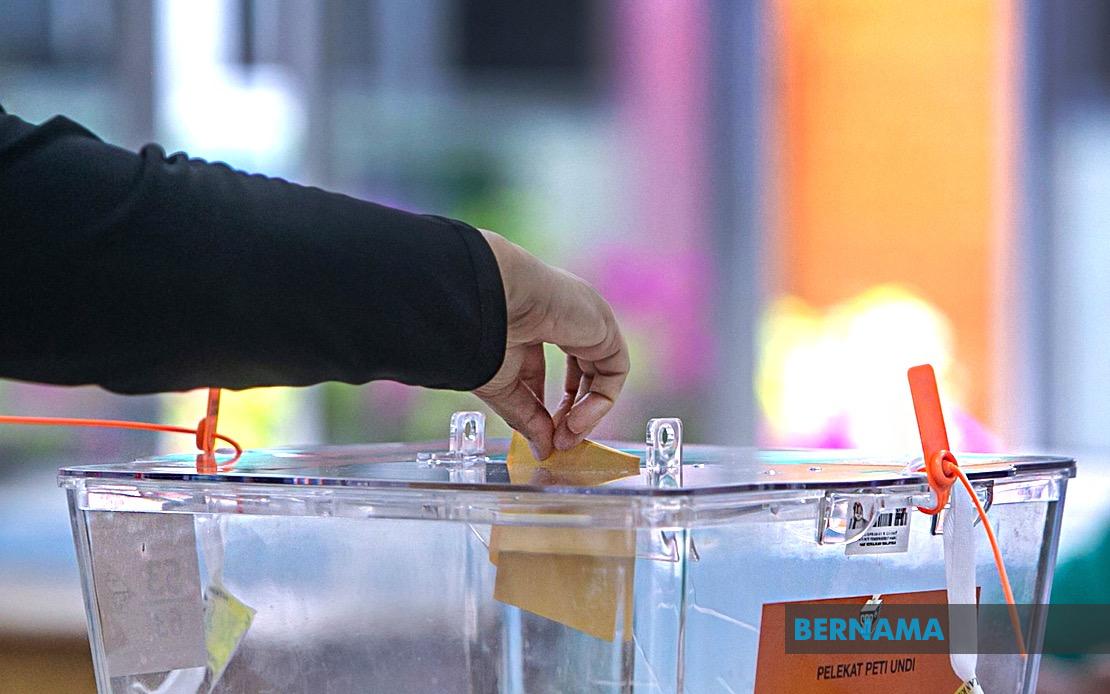
The Ministry of Youth and Sports (KBS) has taken a significant step toward enhancing civic participation among young Malaysians by directing all Youth and Sports Skills Training Institutions (ILKBS) to accommodate student voters seeking to participate in electoral processes. The directive, issued through the Youth Skills Development Division (BPKB) via formal notification to all ILKBS directors, represents an acknowledgement that democratic engagement should not require students to compromise their educational and professional development.
The special leave framework addresses a practical tension that has long confronted young voters enrolled in intensive skills training programmes. By permitting eligible students to return to their home constituencies for general elections, state elections, or by-elections, the ministry eliminates a potential barrier to political participation among a demographic group that forms a critical component of the electorate. The policy signals governmental commitment to ensuring that vocational and skills development does not inadvertently suppress democratic participation among Malaysia's youth.
Under the new arrangement, students must submit formal applications to their respective ILKBS management, which will evaluate requests using specific criteria. The evaluation process considers the distance between the training institution and the student's designated polling centre, realistic travel times required for journeys to and from the voting location, and the logistical feasibility of coordinating the leave with existing training and learning schedules. This structured approach balances institutional operations with student rights, preventing arbitrary denials while maintaining institutional accountability and transparency.
Approval remains discretionary with individual ILKBS directors, enabling each institution to tailor implementation according to its specific operational context and student composition. This decentralised approach recognises that training facilities operate in different geographical locations and maintain varied programme structures, requiring flexibility in how the policy is administered. Nevertheless, the ministerial directive establishes the principle that special leave should be granted where reasonable circumstances support such requests, rather than creating an environment where directors reflexively deny applications.
The ministry has emphasised the importance of advance notification and early communication with eligible student voters. By ensuring students know about their rights and opportunities well in advance of election periods, ILKBS institutions can facilitate orderly application processes and enable students to arrange travel to their polling stations systematically. This proactive approach reduces last-minute logistical complications and demonstrates institutional respect for students' civic responsibilities.
Ministerial statements accompanying the directive frame voting as an integral component of national citizenship rather than an inconvenience to institutional schedules. Officials described voting as "a voice that determines the nation's future," explicitly rejecting the premise that students should face difficult choices between educational attendance and democratic participation. This rhetorical positioning reflects broader governmental messaging around youth engagement and democratic renewal, particularly relevant as Malaysia navigates electoral cycles that increasingly affect younger generations seeking to exercise political influence.
The policy carries implications extending beyond immediate administrative convenience. Young Malaysians enrolled in intensive skills training programmes often come from economically disadvantaged backgrounds, as vocational education frequently serves communities with limited access to conventional tertiary pathways. By removing practical obstacles to voting, the ministry addresses a potential participation gap that might otherwise disadvantage specific socioeconomic groups within the youth electorate. This consideration aligns with democratisation principles emphasising broad-based participation across demographic and economic categories.
For Malaysian employers and training providers, the initiative also reflects broader workplace policy trends toward accommodating civic responsibilities. Skills training institutions operate within labour market contexts where similar expectations apply to employers generally. By normalising special leave for voting at the training stage, the policy potentially influences employer attitudes and practices regarding staff participation in electoral processes, creating cultural expectations that voting deserves institutional support.
The directive's success will depend substantially on implementation consistency across the ILKBS network. While the ministry has provided clear policy guidance, considerable variation may emerge in how different institutions interpret application criteria and approval standards. Student experiences with special leave requests may differ meaningfully depending on institutional location, director discretion, and programme structure. Subsequent monitoring and feedback mechanisms will likely prove essential for ensuring the policy achieves its stated objective of enabling rather than impeding student voting.
Regionally, Malaysia's approach distinguishes itself within Southeast Asian contexts where youth voter participation remains contested and institutional barriers to voting persist in various forms. The ILKBS directive suggests governmental willingness to address systemic participation obstacles through institutional cooperation rather than relying solely on exhortation regarding civic duty. This pragmatic orientation may offer lessons for neighbouring countries grappling with youth engagement challenges.
The implementation of special leave provisions also reflects evolving discussions about intergenerational equity and democratic renewal in Malaysia. As electoral cycles produce outcomes increasingly influenced by younger voters' participation rates, institutions serving youth populations face implicit pressure to facilitate rather than obstruct voting. The KBS directive acknowledges this demographic reality and positions skills training institutions as contributors to national democratic health rather than as entities neutral regarding civic participation.
Moving forward, the effectiveness of this policy will be measured not merely through formal compliance by ILKBS directors but through actual voting participation rates among affected students. Institutional support for voting becomes meaningful only when translated into material increases in electoral turnout among training institution populations. Subsequent evaluation should track whether special leave provisions translate into measurable changes in young voter participation, providing evidence regarding whether removing institutional obstacles genuinely increases democratic engagement or whether other factors constrain youth voting behaviour.

