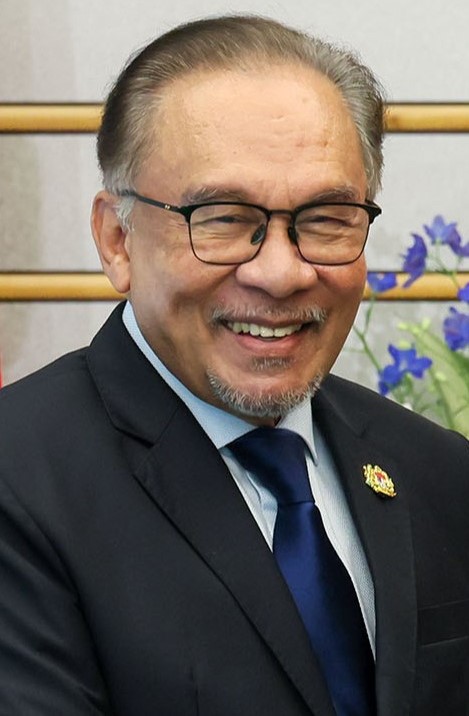
Youth and Sports Minister Dr Mohammed Taufiq Johari has moved to reassure the cycling community that the ministry is systematically tackling the mounting tensions surrounding national track cycling technical director John Beasley, whose future with the sport has come under question. Speaking at the Honour of Kings Asian Games Qualifier in Kuala Lumpur, Taufiq underscored the government's commitment to resolving the situation while safeguarding the sport's development trajectory. The assurances come amid reports that Beasley may depart his position before the natural expiration of his contract, signalling deeper structural problems within Malaysian cycling governance.
The technical director has raised several concerns that strike at the heart of how cycling operates in Malaysia, including complaints about political interference in sporting matters, impediments created by bureaucratic processes, and limitations affecting the development of grassroots programmes. These grievances are not new to the ministry's attention. Rather, officials identified the underlying issues earlier through internal monitoring, suggesting that the problems have been festering for some time without resolution. The recognition of these challenges indicates systemic weaknesses that extend beyond individual personalities or temporary disagreements, pointing instead to institutional frameworks that may require fundamental restructuring.
To chart a path forward, the National Sports Council convened a comprehensive town hall session on June 8 that brought together the full spectrum of cycling stakeholders in one room. The gathering included representatives from the Malaysian National Cycling Federation, state associations, coaching staff, and Beasley himself, creating an unprecedented opportunity for transparent dialogue. The explicit objective was not simply to air complaints, but to actively seek collaborative solutions that would benefit the sport and its athletes. This inclusive approach contrasts with typical top-down decision-making and reflects a recognition that sustainable improvements require buy-in from those operating at every level of the sport.
Athlete selection emerged as a particularly thorny issue requiring urgent attention during these discussions. The consensus-building exercise specifically targeted the mechanisms by which athletes are chosen to represent Malaysia at national-level championships, a process that appears complicated by state-level retention of talented performers. State associations, which have their own interests and objectives, have sometimes proven reluctant to release promising cyclists to compete in national competitions, creating friction between grassroots development and elite programme advancement. This tension between local and national priorities has clearly impeded the coherent development of Malaysia's cycling talent pipeline.
Beasley's expected early departure from his contract—which technically runs until January 31 next year—would have represented a significant loss for Malaysian cycling at a critical juncture. However, the minister confirmed that the cycling director has committed to continuing his responsibilities through the completion of major international competitions scheduled for 2024. This commitment extends to the Commonwealth Games and the Asian Games, both of which represent crucial testing grounds for Malaysian athletes and opportunities to build medal success at continental and international levels. The assurance that Beasley will remain focused on his duties during these competitions suggests that immediate operational disruption has been averted, at least temporarily.
The ministry signalled its intention to convene further bilateral meetings between Beasley and the Malaysian National Cycling Federation in the coming weeks. These additional forums are designed to facilitate substantive negotiation and ensure that all parties develop a shared understanding of their respective roles and expectations. The sequential approach—first bringing all stakeholders together in a town hall format, then following up with direct bilateral engagement—suggests a deliberate strategy to build consensus incrementally rather than imposing solutions from above.
Taufiq's emphasis on maintaining athlete preparation throughout this period underscores the priority being placed on competitive outcomes despite the organisational turbulence. By repeatedly reassuring observers that preparations would continue uninterrupted, the minister is attempting to limit collateral damage to athletes who are in critical preparation phases for major competitions. The psychological impact on cyclists of knowing their technical director and federation are locked in contentious negotiations could potentially affect performance, making clear messaging about continuity strategically important.
The ministry's commitment to fostering inclusive dialogue represents a notable departure from conventional approaches to sports administration in the region, where hierarchical decision-making has traditionally prevailed. Taufiq explicitly rejected unilateral decision-making, instead championing a consultative model that incorporates diverse perspectives before settling on policy direction. This orientation toward collaborative governance could have broader implications for how Malaysian sports are managed across other disciplines beyond cycling.
For Malaysian sports observers, the situation highlights the fragility of international competitiveness when domestic organisational structures are fractured. Beasley's expertise in track cycling technical matters, presumably gained through international experience, represents an asset that Malaysia has invested in acquiring. His potential departure before major competitions would represent not merely a personnel loss but a disruption to the technical knowledge transfer and coaching continuity that elite athletes require. The ministry's efforts to retain him through the end-of-year competitions reflect an understanding of these competitive imperatives.
The grassroots development concerns that Beasley has articulated point to structural deficits in how cycling talent is identified, nurtured, and progressed through increasingly competitive levels. Building sustainable elite success requires robust foundations at community and school levels, yet the cycling system apparently struggles to move promising young riders smoothly from local clubs into regional and then national programmes. Addressing these developmental pipeline issues will require coordination between multiple layers of governance, from school sports bodies through state associations to the national federation.
The broader governance implications extend to questions about how sports funding is allocated, how technical expertise is integrated into decision-making processes, and how political considerations intersect with sporting objectives. Beasley's allegations of political interference suggest that decisions affecting cycling may sometimes reflect political rather than purely sporting logic, a problem that many Southeast Asian sports systems grapple with. The ministry's willingness to acknowledge and address these concerns, rather than dismissing them, indicates a level of organisational maturity that could become instructive for other regional sports bodies.
Moving forward, the success of the ministry's current approach will be measured by concrete outcomes: whether governance structures are actually reformed, whether grassroots development improves, and whether athlete selection processes become more transparent and merit-based. The coming weeks and months will determine whether these consultations represent genuine institutional change or merely temporary defusing of an immediate crisis. For Malaysian cycling and for athletes depending on coherent technical leadership through major competitions, the stakes of getting this resolution right extend well beyond the immediate personnel question surrounding Beasley's tenure.