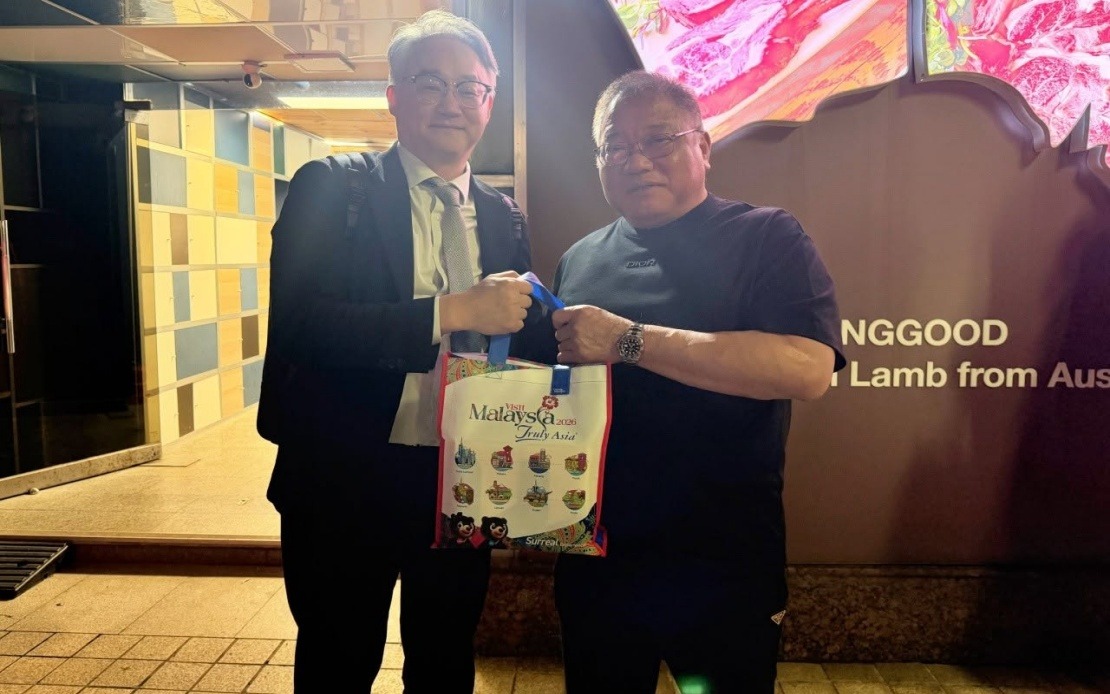
Tourism, Arts and Culture Minister Datuk Seri Tiong King Sing has issued a stark reminder to MM2H Programme agents operating across borders: obtaining licensure in Malaysia does not grant automatic dispensation from the regulatory regimes of other nations. Speaking after discussions with the Malaysian Association in the Republic of Korea, Tiong emphasised that agents must actively understand and respect local laws wherever they recruit participants for Malaysia's My Second Home initiative, a critical message as the programme seeks to expand its global reach and protect its reputation.
The warning reflects growing concerns about uncoordinated marketing practices that have created confusion and opened doors to fraudulent operators. According to Tiong, representatives of the Korean association flagged troubling patterns: some MM2H agents based in Malaysia lack comprehensive understanding of foreign regulatory frameworks and have been engaging directly with local individuals without proper intermediation structures. This ad-hoc approach has spawned a proliferation of unauthorised middlemen claiming capacity to handle MM2H applications, effectively diluting oversight and creating conditions ripe for deception.
Tiong articulated a fundamental principle that should guide the entire industry: the volume of applicants generated matters far less than the integrity of the process and protection afforded to participants. This perspective signals a deliberate shift in ministerial priorities away from purely quantitative targets toward sustainable, compliant market development. He pledged to convene with MM2H agent companies upon returning to Malaysia to reinforce adherence to all applicable regulations and standards.
The heart of the problem centres on institutional gaps between Malaysian regulations and foreign legal frameworks. When an agent obtains licensing in Malaysia, that credential certifies only that the entity meets Malaysian regulatory requirements. It confers no exemption from the laws, consumer protection standards, or licensing regimes that apply in Korea, or anywhere else where the agent seeks to operate. This distinction carries profound implications for how the programme is marketed internationally and how responsibility is allocated when things go wrong.
Tiong highlighted the necessity of establishing clearer cooperation mechanisms between Malaysian MM2H agents and local industry partners in key markets. Structured partnerships would reduce ambiguity about which party bears responsibility for what functions, curtail space for fraudulent operators to manoeuvre, minimise misunderstandings between applicants and service providers, and ultimately strengthen foreign confidence in the programme's legitimacy. For a scheme designed to attract affluent retirees and long-term residents, trustworthiness is paramount; a single high-profile fraud case can tarnish the entire initiative across a market.
Korea represents a particularly promising growth frontier for MM2H, especially among retirees seeking to establish a second residence where they can escape harsh winters. The country's wealthy demographic cohort, combined with strong Malaysia-Korea bilateral ties, positions the market as a priority territory for expansion. Yet this very opportunity creates urgency around establishing proper operational frameworks before the market scales, preventing the kind of regulatory chaos that can trigger government crackdowns or reputational damage.
The distinction between licensed agents and unlicensed intermediaries is critical. An MM2H licence issued by Malaysia's relevant authority signifies that a company has met domestic compliance standards and can legally market the programme within Malaysia. However, the moment that agent extends operations into foreign jurisdictions, they enter a different legal landscape governed by different authorities. A Korean applicant dealing with an MM2H agent must also be protected by Korean law, Korean consumer safeguards, and Korean regulatory oversight—something that cannot be delegated to a Malaysian licence.
Tiong's intervention also touches on broader patterns of regulatory arbitrage that plague cross-border services. Fraudulent operators sometimes deliberately exploit gaps between jurisdictions, assuming that weak coordination between authorities creates space for misconduct. By explicitly addressing this issue at the ministerial level and calling for structured cooperation with foreign partners, Tiong signals that Malaysia takes international regulatory compliance seriously and will not tolerate agents using their Malaysian base as cover for overseas malfeasance.
The minister's remarks carry implications beyond MM2H. They underscore how government departments and regulators must engage proactively with industry to establish best practices, especially for programmes with international dimensions. Rather than simply policing violations after they occur, proactive guidance—particularly communication that clarifies what licences do and do not permit—can prevent problems from materialising. Regular dialogue with both domestic agents and foreign market associations creates early-warning mechanisms for emerging problems.
Moving forward, the onus falls on individual MM2H agents to undertake due diligence regarding foreign legal obligations. This might involve consulting local lawyers in target markets, obtaining local permissions where required, vetting local partners carefully, and ensuring marketing materials comply with foreign advertising standards. It also requires abandoning any hope that a Malaysian licence alone provides sufficient legal cover, a mindset shift that some operators may resist but must accept.
For Malaysian policymakers, the challenge is calibrating oversight mechanisms that protect the integrity of MM2H without imposing such stringent requirements that legitimate agents cannot operate effectively. Establishing a list of approved partner organisations in key markets, creating standard cooperation agreements, and developing clear guidance on which local laws apply to which functions could significantly reduce confusion. Such frameworks benefit all stakeholders: foreign applicants gain confidence, legitimate agents operate with clarity, and Malaysia's reputation as a welcoming yet serious destination strengthens.
The Korean market discussion also highlights how bilateral relationships can anchor regulatory cooperation. Governments with close ties can establish mutual recognition frameworks, streamlined regulatory processes, and coordinated enforcement approaches that make it easier for legitimate business to flourish while deterring misconduct. As Malaysia expands MM2H in Asian markets, pursuing such structured bilateral cooperation could become a competitive advantage.
Ultimately, Tiong's message reflects a mature approach to international commercial regulation: success is not measured by raw participation numbers but by the sustainability and legitimacy of the market. By insisting that agents respect local laws, collaborate transparently with local authorities, and prioritise applicant protection over mere volume, the minister is positioning MM2H as a premium, trustworthy programme. This foundation becomes particularly valuable as Malaysia competes with other countries offering similar residence schemes, where reputation for regulatory probity becomes a decisive factor for affluent foreign applicants considering their options.

