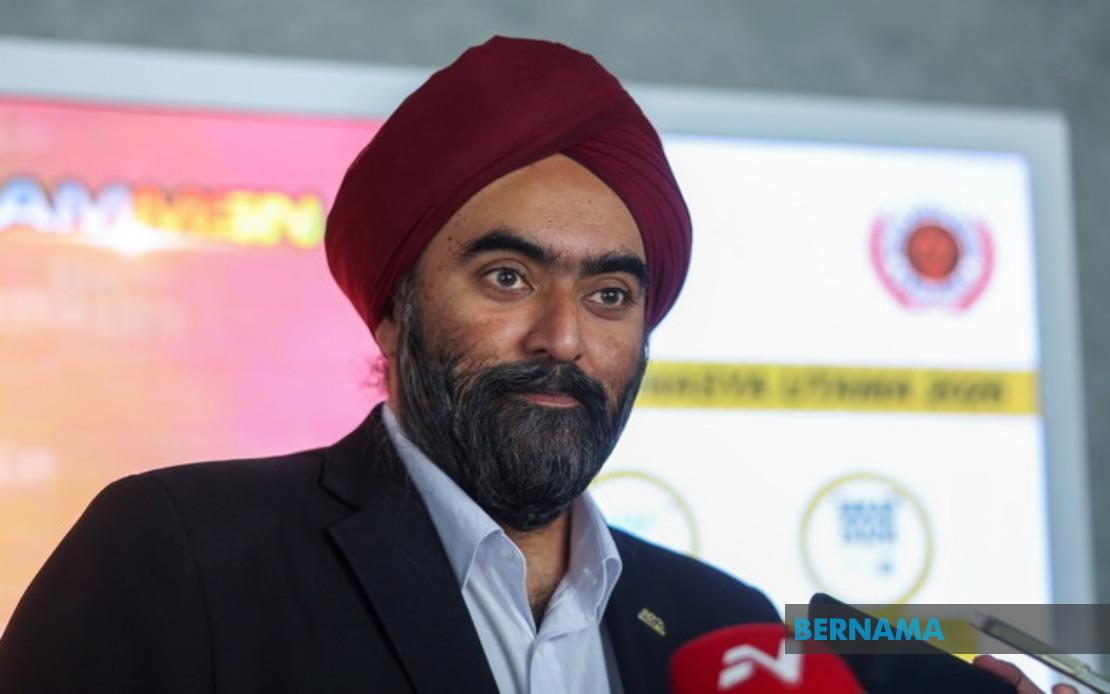
Malaysia's cycling development programme faces a critical juncture as the Malaysian National Cycling Federation (MNCF) moves to break the impasse with Yayasan Sime Darby (YSD) over the postponement of the YSD Track Cycling and BMX Series 2026. MNCF president Datuk Amarjit Singh Gill has signalled the federation's readiness to engage in urgent face-to-face negotiations with YSD's senior leadership, indicating that the underlying crisis—while serious enough to derail a key talent development initiative—remains resolvable through constructive dialogue and a commitment to partnership principles.
The postponement represents a significant setback for Malaysian cycling's grassroots and developmental pipeline. Track cycling and BMX programmes serve as critical pathways for identifying and nurturing young talent, feeding into the elite competitive structure that represents Malaysia internationally. Any prolonged disruption threatens to fracture the continuity of athlete development and could create gaps in succession planning across multiple cycling disciplines. With 2026 approaching quickly, the window for salvaging the series remains relatively narrow, making swift resolution essential for maintaining the momentum that YSD and MNCF have worked to build.
Datuk Amarjit characterised the dispute as fundamentally one of process and partnership rather than insurmountable technical differences. His comments suggest that while YSD has publicly attributed the postponement to technical issues on MNCF's side, the federation views these concerns as manageable obstacles rather than deal-breakers. This framing is significant: it positions the dispute as a matter of mutual understanding and respect between two institutional partners rather than a dispute rooted in irreconcilable positions or fundamental disagreements about cycling development philosophy.
The president's emphasis on mutual respect as partners carries particular weight in the Malaysian institutional context, where formal hierarchies and recognition of institutional standing shape negotiations between government-adjacent organisations and sports federations. By highlighting that both parties should relate as equals in strategic partnership—rather than one entity directing or overseeing the other—Datuk Amarjit is attempting to reset the tone of discussions away from any power imbalance that may have contributed to the current breakdown. This diplomatic approach suggests the MNCF believes the relationship can be recalibrated without either party losing face.
Yayasan Sime Darby's role as a major corporate sponsor and programme steward in Malaysian cycling reflects the broader reliance of national sports development on private sector engagement and funding. The foundation's commitment to track and BMX cycling has provided crucial resources and institutional support that government budgets alone might struggle to sustain. However, corporate-federation partnerships necessarily involve different institutional cultures, operational expectations, and accountability mechanisms, which can create friction points when not carefully managed. The current postponement underscores how essential clear communication and aligned objectives are when commercial entities and national sports bodies collaborate.
The technical issues cited by YSD remain publicly unspecified, leaving room for speculation about their precise nature. Such ambiguity—whether administrative, regulatory, logistical, or operational—complicates public understanding of the dispute and potentially allows misconceptions to circulate within the Malaysian cycling community. Datuk Amarjit's willingness to acknowledge YSD's concerns while maintaining that they are resolvable suggests the MNCF may have identified solutions or clarifications that could satisfy YSD's requirements once senior leadership engages directly.
For Malaysian cycling stakeholders and young athletes, the postponement creates immediate uncertainty about training schedules, competition opportunities, and funding allocations. Athletes who rely on these series for competitive experience and profile development face disrupted preparation cycles. Coaches and support staff lose access to structured programming and performance data collection. The broader ecosystem of Malaysian cycling—sponsors, media, fan engagement, and institutional credibility—also suffers when major series are postponed, as public confidence in the stability and professionalism of national cycling governance weakens.
Datuk Amarjit's public commitment to resolving the matter reflects institutional pressure on MNCF to demonstrate effective leadership and stakeholder management. The federation's ability to navigate this crisis will significantly influence YSD's confidence in any future collaborative arrangements and could shape other sponsors' willingness to invest in Malaysian cycling programmes. A swift, professional resolution that preserves both institutions' credibility is therefore crucial not only for the 2026 series but for the broader ecosystem of cycling development in Malaysia.
The timing of this crisis—emerging before the Le Tour de Langkawi 2026 launch announcement—suggests that Malaysian cycling remains a priority area for national sports development and corporate partners alike. The LTdL, as a premier international road cycling event, enjoys substantial support and global recognition, yet the domestic track and BMX infrastructure is equally vital for developing the next generation of elite cyclists. The juxtaposition of these two announcements in a single event underscores the multifaceted nature of cycling development in Malaysia and the interdependencies between elite international competitions and foundational domestic programmes.
Moving forward, the success of negotiations between MNCF and YSD will likely hinge on their ability to establish clearer governance frameworks, communication protocols, and shared accountability mechanisms. The current crisis, while disruptive, offers an opportunity to strengthen the partnership's structural foundations. If both parties approach the forthcoming talks with genuine commitment to mutual respect and problem-solving, the YSD Track Cycling and BMX Series 2026 could resume with renewed clarity about expectations and responsibilities. Conversely, failure to resolve the dispute would send troubling signals about the maturity and stability of Malaysian sports federation management, potentially affecting future corporate investment in cycling and other sports.

