A Moroccan man's death during a police arrest operation in Italy has escalated into an international incident, drawing calls for accountability from both Rabat and Rome. Italian Prime Minister Giorgia Meloni responded to the incident on Tuesday by demanding that authorities pursue "the truth right to the end", signalling the government's commitment to a thorough investigation amid mounting pressure from multiple quarters.
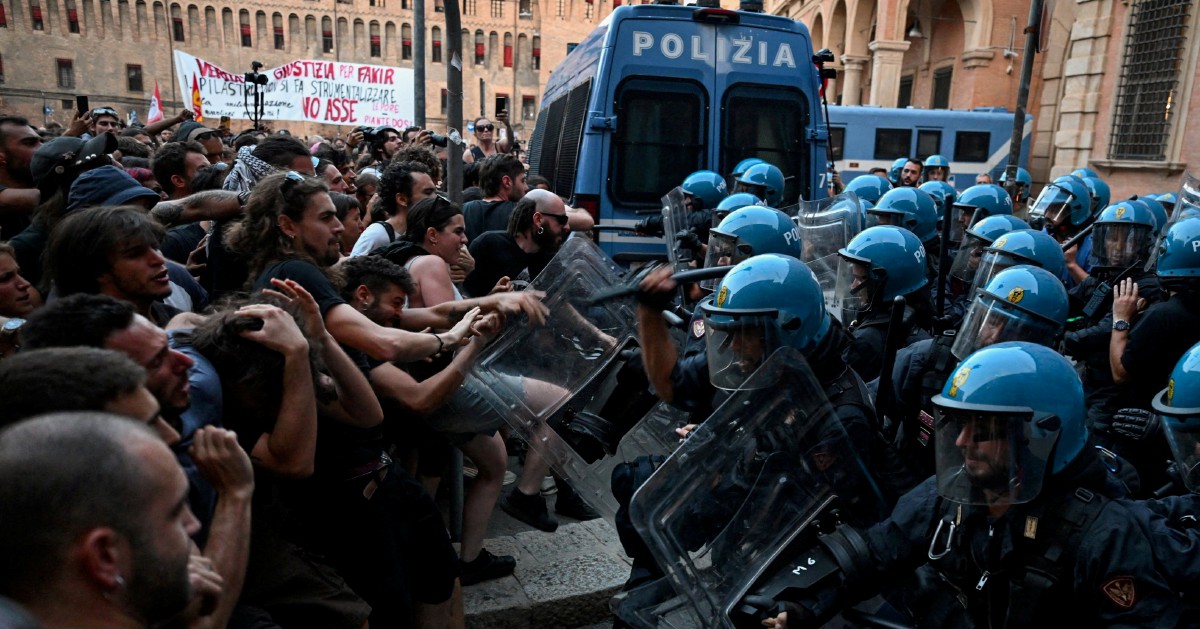
The death has already fuelled significant public unrest on Italian streets, with demonstrations emerging as citizens and advocacy groups voice concerns about police conduct and the circumstances surrounding the arrest. These protests reflect broader tensions across Europe regarding law enforcement practices and the treatment of migrants and foreign nationals, issues that continue to generate heated debate in many democracies.
Morocco's diplomatic response has been notably assertive. The North African nation formally requested what it described as a "full clarification" of the events, underscoring the gravity with which Rabat is treating the matter. This official posture indicates that the Moroccan government intends to monitor the investigation closely and ensure that its citizen receives justice, a stance that carries implications for bilateral relations between the two countries.
The incident comes at a time of heightened sensitivities around migration and policing in Italy, a nation that sits at the frontline of Mediterranean migration flows. Italian authorities face complex challenges in managing border control and law enforcement while maintaining international standards of conduct. How this particular case is handled will likely influence broader perceptions of Italy's approach to these sensitive issues.
Meloni's public declaration aligns with Italy's international obligations regarding human rights and due process. Her emphasis on transparency suggests the government recognises the potential diplomatic fallout and reputational consequences if the investigation appears inadequate or biased. The Prime Minister's statement effectively sets expectations for the inquiry, placing it under public and international scrutiny.
The death has prompted calls for independent oversight and formal mechanisms to ensure impartiality. Civil rights organisations and human rights advocates are monitoring the case closely, seeking assurances that the investigation will be conducted according to international standards rather than primarily serving to exonerate authorities. This dynamic reflects a persistent tension between state accountability and institutional defence.
For Malaysia and other nations in Southeast Asia with diaspora communities in Europe, incidents of this nature underscore the importance of diplomatic engagement and citizen protection frameworks. Malaysian officials occasionally intervene in cases involving nationals abroad, advocating for fair treatment and transparent processes through both official channels and public statements.
The broader context reveals how deaths during police operations have become contentious issues worldwide, triggering demands for reforms in training, accountability mechanisms, and the use of force protocols. Each high-profile incident contributes to international conversations about police governance and creates pressure on governments to demonstrate that they take such matters seriously.
Italy's response will be closely watched by other Mediterranean nations with significant populations affected by migration issues. The investigation's methodology, transparency, and ultimate conclusions will send signals about how Italian institutions handle sensitive cases involving foreign nationals. This carries implications not only for bilateral relations with Morocco but also for Italy's standing in international human rights discourse.
The intersection of migration, law enforcement, and diplomatic relations evident in this case illustrates how local incidents can acquire international dimensions rapidly. Morocco's formal intervention demonstrates that countries actively advocate for their citizens abroad, and Italy's corresponding commitment to investigation reflects recognition of these diplomatic realities. The coming weeks will prove crucial in determining whether the inquiry satisfies demands for accountability from all parties involved.

