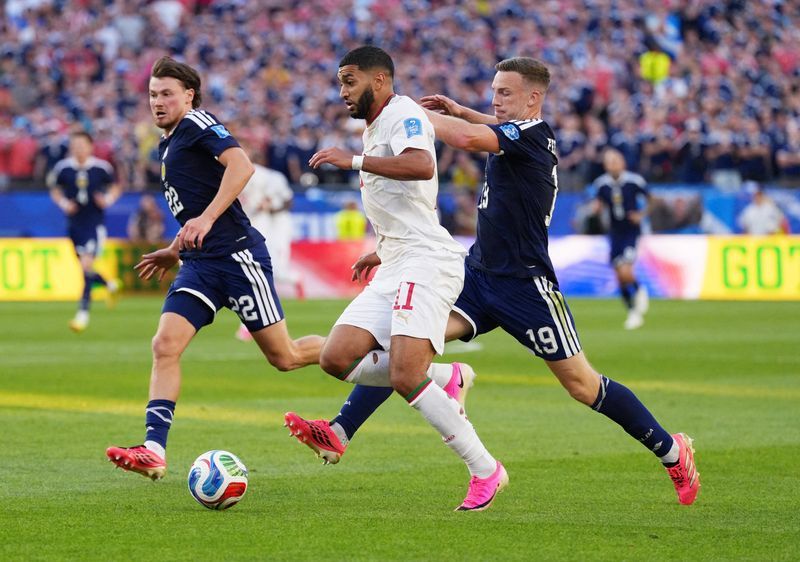
Morocco stamped their authority on World Cup Group C with a masterful 1-0 triumph over Scotland at Foxborough, Massachusetts on Friday, claiming top position in the group with one fixture remaining. The decisive moment arrived with stunning speed—Ismael Saibari firing past goalkeeper Angus Gunn just 71 seconds into play, marking the fastest goal of the tournament and setting the tone for a comprehensive display of superiority that left the Scottish outfit chasing shadows for the remainder of the encounter.
The significance of Morocco's performance extends beyond the three points secured. Having reached the semi-finals of the Qatar World Cup four years earlier, the squad has developed into a formidable continental force, and this victory demonstrated a tactical maturity and intensity that few opponents have managed to neutralise. The North African side's relentless pressing and suffocating defensive organisation stifled Scotland's attempts to establish any rhythm, leaving the match outcome appearing far more decisive than the solitary-goal margin suggests. Morocco's accumulated four points from two matches now places them in commanding position to advance from a group that includes Haiti and five-time champions Brazil.
Saibari's breakthrough moment encapsulated Morocco's attacking threat and Scotland's defensive vulnerability. After collecting a Brahim Diaz cross following a cutback move that carved open the Scottish back line, the midfielder struck with authority past Gunn. The goal proved especially significant given that central defender Grant Hanley's premature step forward had left space in behind the defensive line—a tactical misjudgement that proved costly. For Saibari personally, the achievement carries additional weight: he becomes only the second African player to score in his opening two World Cup appearances, joining Egypt's Mohamed Salah in this exclusive group. Reports of his imminent transfer to Bayern Munich suggest his stock continues rising on the global stage.
Scotland's pre-match atmosphere had brimmed with genuine optimism following their historic 1-0 opening victory against Haiti, ending a 36-year World Cup drought that had weighed heavily on the national psyche. However, the Scots discovered that such confidence counted for little against Morocco's purposeful intensity. The home side scarcely mustered a shot on target until deep into the opening half's stoppage time, an alarming statistic reflecting their complete domination of possession and territory. From the first whistle, Morocco pressed aggressively, disrupted Scottish build-up play, and repeatedly broke through gaps that appeared to close and reopen at will.
The imbalance in quality became increasingly pronounced as the match progressed. Bilal El Khannouss fired over the crossbar during the 36th minute following another elaborate Morocco passage of play, while Ounahi created genuine danger down the left wing, although a subsequent cutback found no connecting Moroccan boot. Saibari himself struck the post midway through the second half with a deflected attempt, while El Khannouss forced a commendable save from Gunn with a glancing header shortly after the interval. Scotland's late pressing produced occasional moments of hope, yet lacked the precision and potency required to trouble a Morocco defence that operated with admirable discipline.
The context surrounding Morocco's captain Achraf Hakimi added an undercurrent of tension to proceedings, with sections of the Scottish crowd expressing disapproval as the defender faced a rape trial. Notwithstanding these external circumstances, the team's focus remained unshaken, and they demonstrated the sort of mental resilience that separates serious World Cup contenders from tournament participants.
Morocco's next assignment comes against Haiti on Wednesday, presenting an opportunity to secure qualification with a match to spare. Scotland face the far more daunting prospect of confronting Brazil in their final group encounter, a fixture that might prove crucial to their advancement hopes. For Malaysia and Southeast Asian observers, Morocco's methodical progression offers valuable lessons in how disciplined pressing and positional organisation can nullify supposedly well-balanced opponents. The North African nation's trajectory in this tournament suggests they could yet challenge for honours, potentially altering traditional assumptions about which continental confederations produce genuine World Cup contenders. Scotland, meanwhile, must regroup rapidly and rediscover the resilience that has become their hallmark in recent qualification campaigns if they are to salvage their tournament ambitions.

