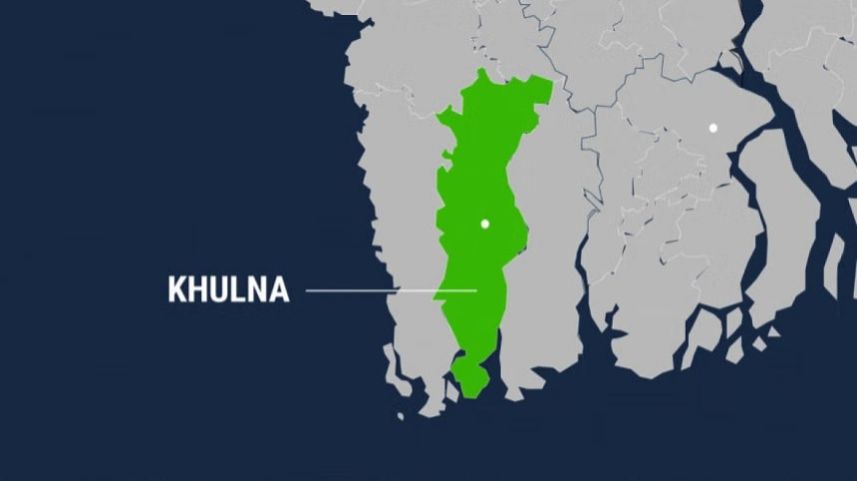
The mother of 17-year-old Arfan Hossain Nirjana, a class 10 pupil at Government Iqbal Nagar Secondary School in Khulna, Bangladesh, has admitted to causing her daughter's death in a formal confession recorded before a magistrate on Friday evening. Khulna Metropolitan Magistrate Ibrahim Khalil Muhim took the confessional statement of Seema Akter under Section 164 of the Code of Criminal Procedure, after which the suspect was remanded in custody. The confession marks a significant development in a case that initially appeared to point toward the victim's husband as a potential suspect, before investigators broadened their inquiry to include other family members.
The body of Nirjana was discovered on Wednesday night around 10 p.m., compressed inside a plastic sack and abandoned in front of a seven-storey residential building in the Prantika Residential Area of Khulna Sadar. The grim discovery prompted immediate action, with police transporting the remains to Khulna Medical College Hospital's morgue for forensic examination. It was only after photographs circulated across social media platforms the following day that Seema Akter, the victim's mother, came to the hospital to formally identify her daughter, suggesting the family's initial reaction to the tragedy may have been complicated by shock or other factors.
The teenager, who lived in the Bashupara Banshtala area under Sonadanga Model Police Station, had recently entered into marriage on April 21 of this year. This relatively new marital status became the initial focus of the police investigation, with family members first suggesting that her husband might be responsible for the death. However, this theory proved incorrect as interrogations and evidence gathering progressed over the following days. According to Khulna Sadar Police Station Officer-in-Charge Md Shofiqul Islam, the investigation took a critical turn as authorities examined multiple lines of evidence and expanded their questioning to include the victim's parents and other close relatives.
The breakthrough came through a combination of investigative techniques that modern law enforcement relies upon in complex cases. Police conducted detailed analysis of closed-circuit television footage from the surrounding area, which proved instrumental in establishing a timeline and identifying movement patterns around the location where the body was discovered. Forensic evidence collected from both the body and the crime scene provided physical corroboration, while the post-mortem examination conducted at Khulna Medical College Hospital yielded crucial findings about the circumstances of death. These multiple strands of evidence, when examined collectively, painted a picture that shifted suspicion away from external actors toward those closest to the victim.
The victim's father, Md Alim Hossain, remains in police custody for further questioning as investigators continue to unravel the full circumstances surrounding the killing. According to the OC, police initially believed that Nirjana had been murdered at a location other than where her body was recovered, with the perpetrator or perpetrators subsequently placing her remains in the plastic sack and transporting them to the Prantika Residential Area for disposal. This suggests a deliberate and calculated effort to conceal the crime, indicating that whoever carried out the killing had time to plan and execute the disposal of the body.
The case highlights the complexities that can emerge in family-related tragedies, where initial assumptions about culpability may mask deeper domestic tensions or circumstances. The fact that investigation officials needed to examine CCTV footage, forensic evidence, and post-mortem findings before reaching their conclusions underscores how modern criminal investigations operate through corroboration of multiple evidence streams rather than reliance on single leads. The expansion of suspicion from the husband to the mother illustrates how thorough police work can overturn initial assumptions, even when those assumptions seem plausible given the surface facts of a case.
For Malaysian and Southeast Asian readers, this case presents a sobering reminder of the security risks that young people, particularly those recently married, may face within family contexts. While such cases remain statistical outliers, the apparent breakdown in family relationships that culminated in this tragedy raises questions about domestic support systems and mental health resources available to families experiencing strain. The swift action of Khulna police in securing a confession and remanding the suspect in custody reflects the investigative capacity of Bangladesh's law enforcement, though questions about the motive for the killing and the exact nature of the domestic tensions involved remain unanswered.
The investigation continues as authorities work to establish the complete chain of events leading to Nirjana's death. Police have indicated that all possible angles are being examined to develop a comprehensive understanding of why a mother would kill her teenage daughter, a tragedy that leaves many questions about family dynamics, potential abuse, or other precipitating factors. The involvement of the father in custody suggests that the investigation may uncover a more complex family narrative than a simple mother-child conflict, possibly involving marital breakdown or collective family dysfunction that created the conditions for this fatal outcome.
As the case progresses through Bangladesh's legal system, the confession by Seema Akter will need to be corroborated by the physical evidence and expert testimony that police have accumulated. Her motivation for the killing, the specific method used, and the degree of premeditation involved will likely form the basis of legal arguments as the case moves toward prosecution. For the broader community in Khulna and across Bangladesh, this incident has reignited discussions about family violence, the protection of young people within domestic settings, and the availability of intervention services that might prevent such tragedies.

