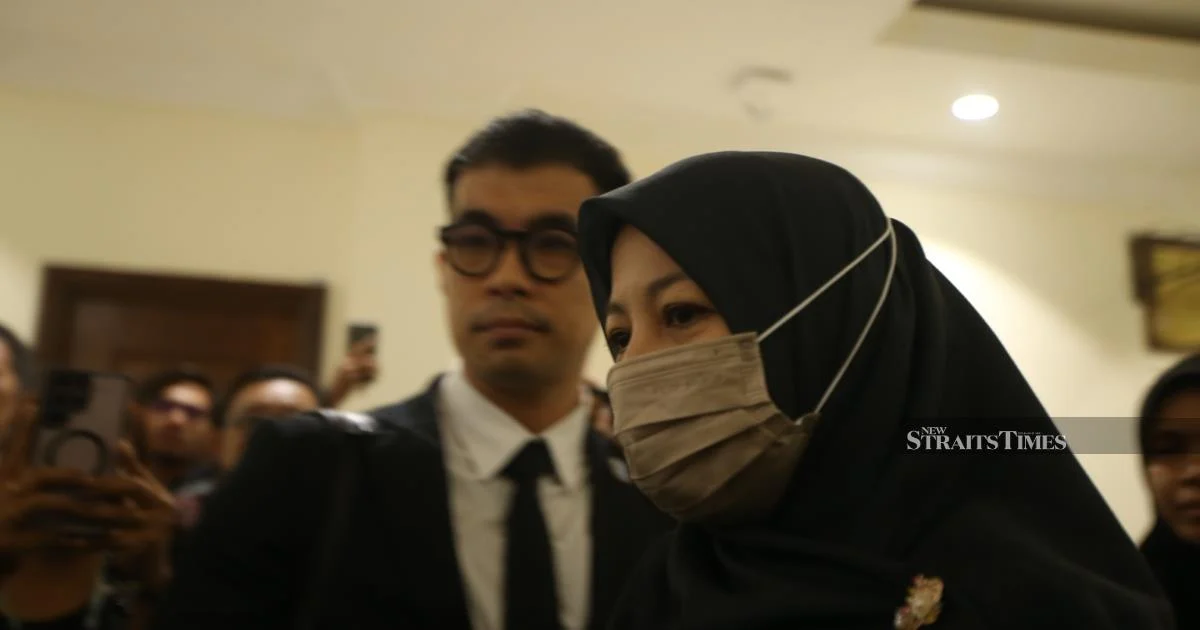
The Kota Kinabalu coroner's court heard emotional testimony on Wednesday when Noraidah Lamat disclosed that she deeply regretted the decision to place her daughter, the late Zara Qairinah Mahathir, into SMKA Tun Datu Mustapha. This candid admission during the inquest proceedings has brought renewed attention to circumstances surrounding the teenager's death and the factors that led her parents to select the institution in the first place.
The mother's statement represents a pivotal moment in the ongoing investigation, as she confronted the weight of a parental choice that ultimately preceded her daughter's tragic passing. The testimony underscores the profound emotional toll that such inquiries place on families already grappling with loss, forcing them to reconsider decisions made in what they believed were their child's best interests at the time.
SMAKA Tun Datu Mustapha, a residential Islamic school located in Sabah, has been under heightened scrutiny in recent years concerning student welfare, safety protocols, and the adequacy of supervision within its boarding facilities. This particular institution serves as one of several sekolah menengah kebangsaan agama establishments throughout Malaysia that combine religious education with standard academic curricula. The school's reputation and operational practices have become central to understanding what transpired.
For Malaysian parents weighing options for their children's education, particularly those considering Islamic boarding schools, such cases prompt uncomfortable questions about institutional accountability and transparency. The decision to send a child away to board represents a significant leap of faith, requiring absolute confidence in an institution's commitment to pastoral care alongside academic excellence. When outcomes prove tragic, families are left not only with grief but with the agonising realisation that their trust may have been misplaced.
The coroner's proceedings serve as a crucial mechanism for examining what safeguarding failures, if any, occurred within the school environment. Beyond individual accountability, these inquiries illuminate systemic vulnerabilities that may affect other students across Malaysia's network of religious and residential educational institutions. The court's role extends beyond determining facts; it potentially influences future policy and practice across the education sector.
Parents throughout Southeast Asia often face difficult choices regarding their children's schooling, balancing aspirations for academic and religious development against the emotional and practical implications of separation. In Malaysia, where Islamic education holds cultural and religious significance for Muslim families, such institutions occupy a special position in the educational landscape. However, this cultural importance should never diminish the imperative for robust safety standards and transparent governance.
The testimony also reflects broader concerns about student welfare in Malaysian schools, particularly in residential settings where teenagers spend months away from home. Adequate supervision, mental health support, access to medical care, and clear reporting mechanisms for concerning incidents should be non-negotiable baseline requirements. The absence of any one element creates dangerous gaps that can have irreversible consequences.
Governmental oversight bodies and the Ministry of Education bear responsibility for ensuring that all schools, regardless of their religious or academic orientation, maintain standards that prioritise student safety above all other considerations. Regular inspections, transparent complaint mechanisms, and responsive action to reported concerns form the foundation of institutional accountability. When such systems fail, the human cost is measured in lost lives and shattered families.
For Noraidah Lamat and her family, the pursuit of answers through the coroner's court represents an attempt to extract meaning from tragedy, to understand how their daughter came to harm, and potentially to prevent similar occurrences affecting other families. Her expressed regret, while deeply painful, may ultimately contribute to improvements that protect future generations of students in similar environments.
The inquest into Zara Qairinah Mahathir's death continues to evolve as testimony is presented and evidence examined. Each revelation from the coroner's court adds another layer to the public understanding of what happened and why. For educational policymakers, school administrators, and parents alike, these proceedings offer critical lessons about the responsibilities we bear toward young people in our care.
As this case progresses through the legal system, Malaysian society must grapple with difficult questions about institutional reform, parental choice, and the fundamental safeguards necessary within boarding schools. The answers emerging from Kota Kinabalu's coroner's court may well shape educational practices and child protection protocols for years to come, potentially preventing future tragedies.

