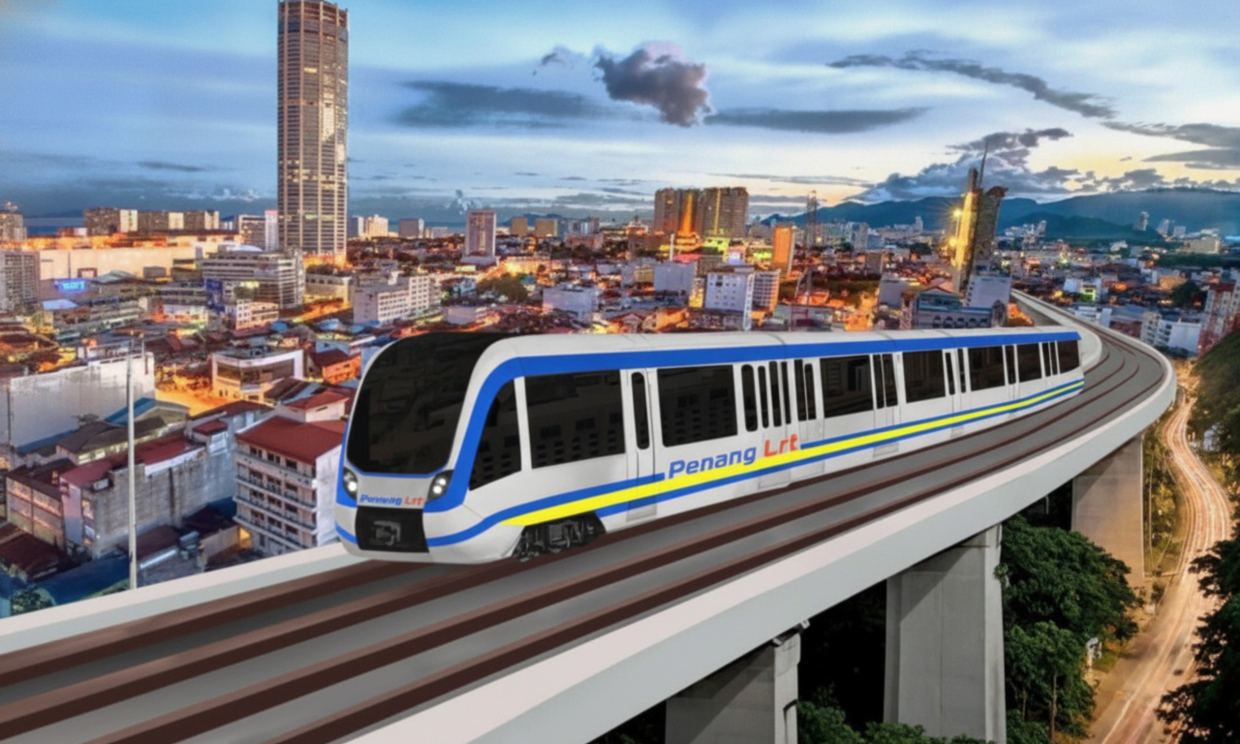
Malaysian Resources Corp Bhd (MRCB) has won a significant infrastructure contract valued at RM3.028 billion for the railway systems component of the Penang Light Rail Transit Mutiara Line, marking another substantial project win for the construction and engineering group. The award, announced through a Bursa Malaysia filing, positions the Kuala Lumpur-listed firm as a key player in the roll-out of modern transit infrastructure across Malaysia's northern corridor.
The contract has been handed to a 90:10 unincorporated joint venture established specifically for this engagement, with MRCB taking the majority stake. This partnership structure is typical for large-scale infrastructure contracts in Malaysia, allowing the lead contractor to spread risk while bringing in complementary expertise. The collaboration underscores how major local contractors increasingly opt for joint venture arrangements when pursuing mega-projects, particularly those involving complex technical systems and extended delivery timelines.
The scope of work spanning 68.8 months encompasses the full lifecycle of railway system delivery and ongoing support. MRCB will handle design, procurement, installation, testing, commissioning and maintenance of critical rail infrastructure including the actual trains, signalling apparatus, electrical power supply networks, telecommunications infrastructure, and automated ticketing systems. This comprehensive remit demonstrates confidence from the project authorities in MRCB's ability to integrate multiple technical disciplines and ensure seamless coordination across these interconnected systems.
The Penang LRT Mutiara Line represents a transformative project for the state, adding modern rapid transit capacity to one of Malaysia's most densely populated metropolitan areas. The light rail system will enhance connectivity across George Town and surrounding municipalities, potentially alleviating traffic congestion and offering a viable alternative to private vehicle use. For MRCB, winning this contract represents validation of its track record in delivering complex urban transport solutions, a capability increasingly sought across Southeast Asia as regional governments prioritize rapid transit development.
From a corporate perspective, MRCB has flagged that the project is anticipated to generate positive contributions to group earnings throughout the contract period and beyond. Infrastructure projects of this scale typically provide revenue streams extending well into the future, particularly through the maintenance and operations phases where recurring income becomes predictable. This predictability is valuable to investors seeking stable cash flow visibility from construction-related enterprises.
The company has acknowledged exposure to conventional construction risks inherent in such undertakings. Material and equipment price volatility represents a particular concern in today's complex global supply chains, where semiconductor shortages, shipping disruptions and commodity fluctuations can impact project budgets. However, MRCB expressed confidence in its ability to manage these uncertainties, leveraging the firm's established experience with major infrastructure programmes, refined internal controls, risk mitigation procedures and operational systems refined through previous large-scale deliveries.
Market response to the contract announcement proved positive. MRCB's share price climbed by one sen to close at 32 sen, representing a 3.23 percent gain during the midday trading break. Theta Edge, the joint venture partner, experienced more dramatic appreciation, surging 14 sen to 69 sen per share—a 25.45 percent jump. The stronger movement in Theta Edge's stock suggests investors viewed the partnership as particularly advantageous for that entity, though both companies clearly benefited from the perceived prestige and financial merit of securing such a substantial contract.
For Malaysia's infrastructure development agenda, this contract award demonstrates continued momentum in major transit projects despite previous delays and budget pressures affecting other initiatives. The Penang LRT represents public sector commitment to modernizing urban mobility in one of the country's most economically significant regions. Success in executing this project could establish templates for similar light rail developments elsewhere in Malaysia and potentially across the Association of Southeast Asian Nations region, where multiple countries are pursuing rapid transit expansion.
The 68.8-month timeline—roughly five years and nine months—aligns with typical schedules for complex rail projects of comparable scope and technological integration. This duration permits phased delivery and testing of subsystems before full operational handover, reducing risks associated with simultaneous commissioning of all components. MRCB will need to coordinate suppliers, manage procurement logistics across international markets for specialized equipment, oversee local manufacturing and assembly operations, and conduct extensive testing protocols to ensure all systems function safely and reliably when integrated.
For Malaysian contractors and investors watching the competitive landscape, MRCB's success in securing this award reflects the company's positioning within the upper echelon of domestic infrastructure firms. The win signals that despite competition from international consortiums and larger multinational construction companies, locally-rooted firms with proven delivery capabilities continue to command significant share of Malaysia's major infrastructure opportunities. This pattern supports ongoing employment and technology transfer within Malaysia's construction and engineering sectors.
The Penang LRT Mutiara Line project itself forms part of broader investments to upgrade public transportation across Malaysia's northern states. Coordinated development of transit networks can generate synergies—residents in satellite communities can access jobs and services in central business districts while reducing automobile dependency. Such outcomes align with sustainable urban development principles increasingly central to national planning frameworks.
MRCB's track record in infrastructure execution, combined with Theta Edge's participation, suggests the joint venture possesses the technical capabilities required for successful delivery. The team will need to address challenges ranging from geological conditions and urban construction constraints in Penang's built-up areas to ensuring passenger safety and system reliability once operations commence. With contract value at RM3.028 billion and timeline of nearly six years, this represents one of the most significant transport infrastructure awards in Malaysia's recent procurement activity.

