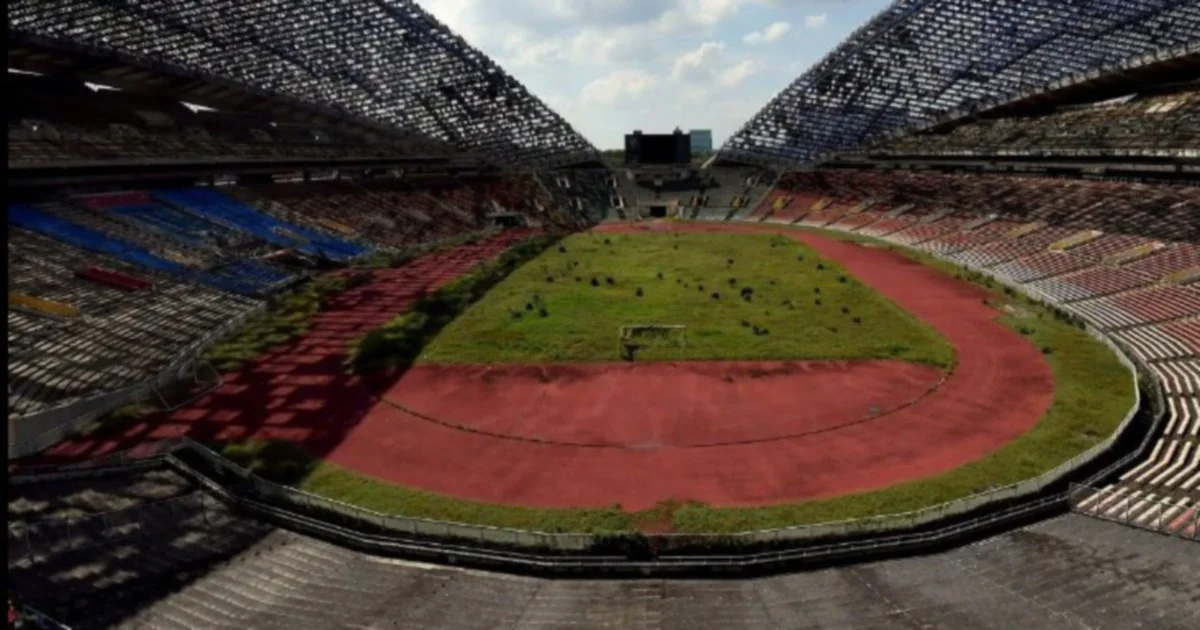
Malaysian Resources Corporation Bhd (MRCB) has achieved a significant legal victory at the Shah Alam High Court, securing a consent judgment against activist Abdul Razak Ismail in a dispute centred on online commentary surrounding the demolition and redevelopment of Shah Alam Stadium. The developer asserted that publications attributed to the activist had inflicted economic damage to the company's interests and reputation linked to the controversial stadium project.
The consent order represents a carefully negotiated settlement between the two parties rather than a trial verdict, suggesting both sides sought to avoid prolonged litigation costs and public courtroom proceedings. Such judicial arrangements often involve commitments regarding future conduct or remedial actions, though the specific terms of this agreement were not immediately disclosed to the media. For MRCB, obtaining such an order validates the company's position regarding the nature and impact of the online statements in question.
The Shah Alam Stadium project has long been a flashpoint for public debate in Selangor, attracting scrutiny from civil society observers and urban development critics. The demolition and subsequent redevelopment of the historic sporting venue touched on broader concerns about heritage preservation, land use decisions, and transparency in major infrastructure projects. Activists like Abdul Razak Ismail have frequently used digital platforms to mobilise public discussion and raise concerns about such developments.
The dispute reflects growing tensions between Malaysian corporations and digital activists operating across social media channels and online forums. As development projects expand across major urban centres, grassroots opposition increasingly coalesces through online networks, creating new friction points between business interests and civil society voices. Courts have become venues where developers seek remedies against what they perceive as damaging online campaigns, raising important questions about free speech and corporate accountability in the digital age.
For Malaysian activists and civil society organisations, such legal actions carry significant implications. Legal challenges—whether they proceed to trial or settle—consume resources and create psychological pressure that may discourage commentary on sensitive development projects. The consent order against Ismail potentially signals to other activists the legal risks associated with online criticism of major corporate projects, particularly when companies can frame such commentary as economically harmful.
The economics of development projects in Selangor and the Klang Valley remain contentious within local communities and among transparency advocates. Stadium redevelopment initiatives typically involve substantial land values, competitive tendering, and long-term revenue streams from commercial operations. When activists question project rationale or implementation, developers argue that such criticism undermines investor confidence and delays revenue-generating activities. These competing narratives about economic harm and public interest protection sit at the heart of contemporary development disputes.
The consent order also highlights the strategic choices available to activists and concerned citizens navigating Malaysia's legal environment. While online platforms offer relatively low-cost avenues for raising awareness and organising community response, they simultaneously expose individuals and organisations to defamation claims and other civil liabilities. Balancing forthright criticism with legal defensibility requires either substantial institutional backing or careful documentation of factual foundations for claims made in public forums.
From a regional perspective, the MRCB case exemplifies patterns visible across Southeast Asia, where rapid urbanisation and infrastructure expansion often collide with emerging civil society activism. Countries from Thailand to the Philippines have witnessed similar confrontations between developers and activist networks, with courts increasingly called upon to adjudicate disputes over online commentary. These cases establish precedents that shape the boundaries between acceptable criticism and actionable harm.
The consent order's enforceability will depend on the specific undertakings contained within the agreement. Typically, such orders may include provisions restricting future publication of certain statements, requirements for corrections or retractions of previous posts, or commitments to remove specific online content. Monitoring compliance and responding to potential violations would fall to MRCB, which must weigh the administrative burden of legal supervision against the reputational benefits of the judgment.
Stakeholders monitoring corporate accountability in Malaysia may find cause for concern if such legal settlements suppress legitimate public discourse about development projects. While companies have legitimate interests in protecting their reputation and economic viability, democratic societies depend on informed public debate about how major projects affecting urban spaces are conceived and executed. The balance between these competing interests remains delicate and contested.
Moving forward, the consent order will likely influence how other activists approach commentary on MRCB projects and similar major developments across Malaysia. The case underscores the importance of institutional support for civil society voices, whether through legal assistance programmes or media literacy initiatives that help activists communicate effectively while managing legal risks. As digital platforms continue expanding political and corporate discourse, such tensions between development and activism will probably intensify rather than diminish.

