The Malaysian United Democratic Alliance has announced that Rashifa Aljunied, a 26-year-old who leads the Puteri Wangsa service centre, will represent the party in the Puteri Wangsa constituency during the forthcoming Johor state election. MUDA president Amira Aisya made the announcement at a press conference in Johor Bahru on June 20, confirming the nomination came after extensive deliberations involving the party's senior leadership and organisational structure.
Amira Aisya, who successfully defended Puteri Wangsa in 2022 with a commanding majority of 7,114 votes across a six-way contest, opted not to recontest the state seat. Instead, the MUDA leader is channeling her political ambitions toward competing in a parliamentary constituency during the 16th General Election, representing a strategic shift in her electoral focus. Her decision to step back from the state-level race creates an opportunity for younger party members to take the reins in constituencies where MUDA has demonstrated electoral strength.
The selection of Aljunied signals MUDA's commitment to nurturing fresh talent within its ranks while maintaining its foothold in Johor. As service centre head for Puteri Wangsa, she has been actively engaged with constituents and community issues, providing her with ground-level experience in the constituency. Her nomination reflects the party's emphasis on grassroots engagement, a characteristic that has defined MUDA's approach since its formation as a reform-oriented political force challenging Malaysia's traditional two-coalition system.
Puteri Wangsa holds particular significance for MUDA, representing the party's sole victory in the 2022 Johor state election. This solitary triumph in a state dominated by the Barisan Nasional and Pakatan Harapan coalitions underscores the difficulty third-force parties face in penetrating entrenched political bastions. Successfully retaining this seat would be crucial for MUDA's trajectory in peninsular Malaysia, where it competes against better-resourced and more established political organisations.
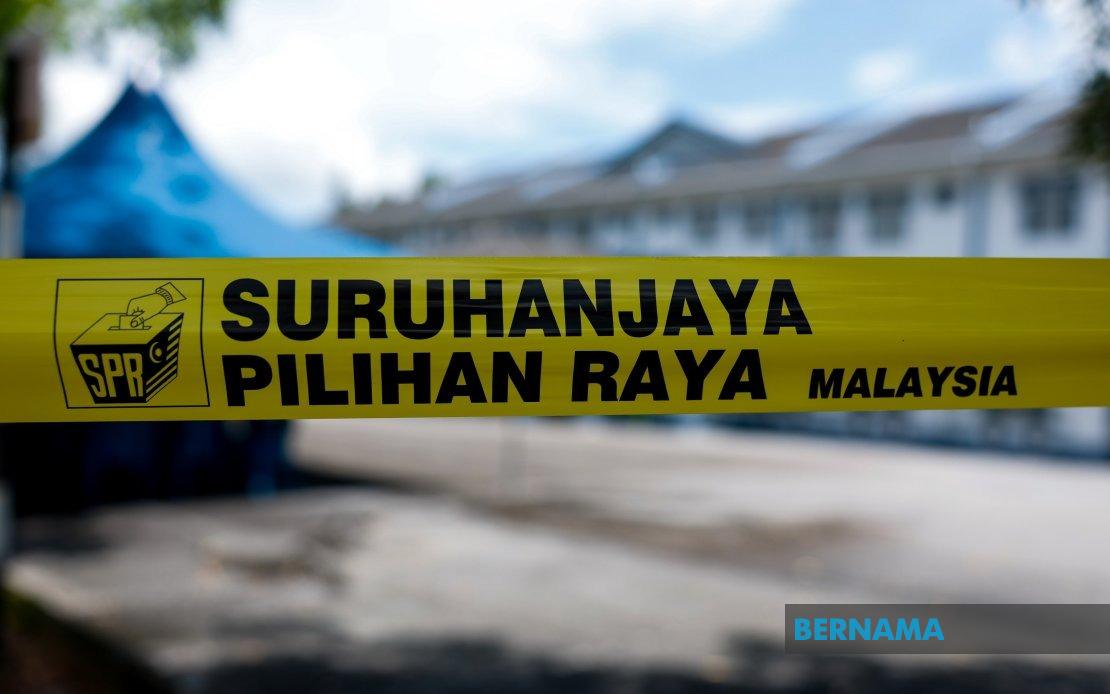
The election timeline for Johor has been firmly established by the Election Commission. Voting is scheduled for July 11, with nomination day set for June 27 and early voting allocated for July 7. This compressed electoral calendar means parties must swiftly mobilise their campaigns and consolidate support among voters. For a comparatively smaller party like MUDA, the tight timeframe poses additional logistical and financial challenges in reaching voters across the constituency.
MUDA's strategic positioning in Malaysian politics has evolved considerably since its entry into electoral contests. The party appeals primarily to younger voters seeking alternatives to conventional political structures, with particular resonance among urban constituencies and educated demographics. However, translating this support into electoral victories remains challenging outside pockets of liberal urban sentiment. The retention of Puteri Wangsa would validate the party's continued relevance and could influence voter confidence in subsequent federal-level contests.
Amira Aisya's shift to federal politics reflects a broader trend among successful state-level politicians seeking elevation to parliamentary prominence. Her decision suggests confidence in both her personal political standing and MUDA's capacity to retain her state seat through a successor. Should Aljunied succeed, it would demonstrate effective transition management and organisational strength—qualities often tested when incumbent legislators vacate seats.
The Johor state election represents a significant moment for coalition dynamics in Southeast Asia's largest state. Results will help clarify whether Pakatan Harapan can recover ground following its 2022 performance, whether Barisan Nasional can consolidate its recent electoral improvements, and whether third-force entities like MUDA can expand their parliamentary footprint beyond isolated pockets. The outcome will likely influence candidate selection and coalition strategies for the anticipated federal election.
For Malaysian voters concerned about political renewal and generational change, the contest in Puteri Wangsa offers a microcosm of broader transformation. Aljunied's candidacy represents the type of younger, digitally-savvy political operator increasingly visible across Malaysian politics. Her nomination signals MUDA's bet that constituents value fresh perspectives and community proximity over the traditional patronage networks that have historically dominated Malaysian electoral contests.
MUDA's continued announcement of additional Johor candidates in Kuala Lumpur on June 21 suggests the party is committed to fielding a competitive slate across multiple constituencies, despite resource constraints. This multi-seat strategy indicates ambitions beyond merely defending Puteri Wangsa, though realistic assessments suggest the party will likely concentrate campaign resources on constituencies where polling suggests competitive viability.
The appointment of Aljunied also raises questions about MUDA's succession planning and institutional development. Elevating relatively young candidates to prominent positions tests whether the party possesses adequate support structures, financial resources, and organisational discipline necessary for effective governance and sustained electoral competition. These institutional foundations will prove critical as MUDA seeks to evolve from a protest movement into an established political force capable of contending seriously across multiple electoral cycles.

