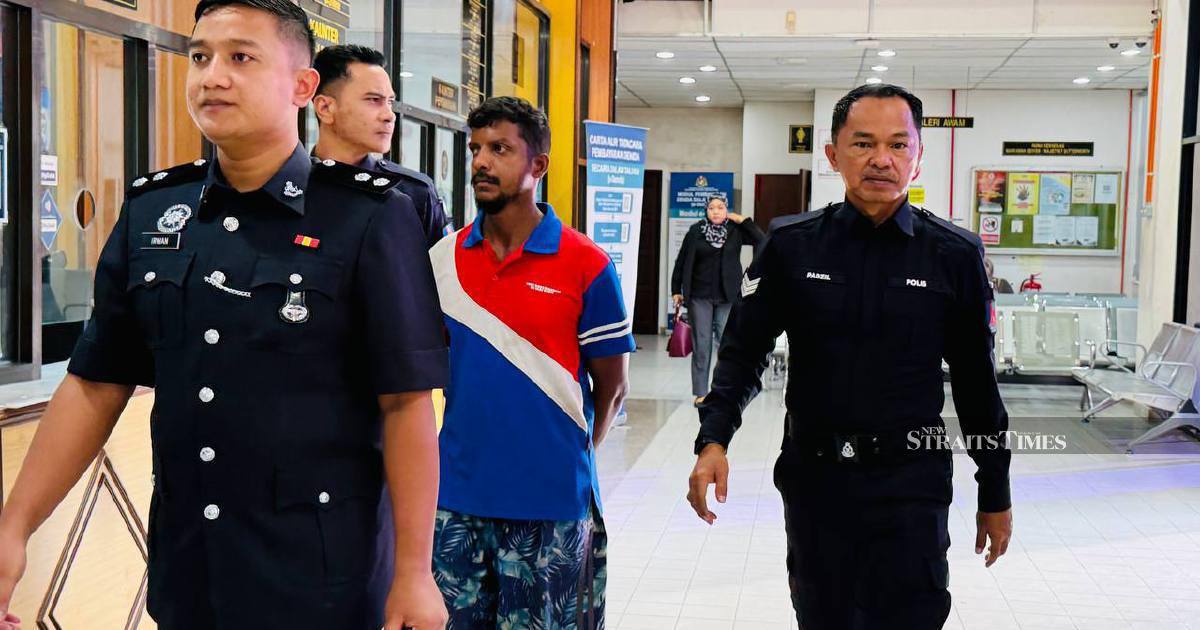
A Myanmar citizen made his court appearance in Butterworth today to face allegations of inflicting grievous bodily harm on a fellow national during an incident last week. The accused entered a plea of not guilty before the Sessions Court, contesting the charges brought against him in connection with the altercation that occurred within the jurisdiction of Selangor's police district.
The court's decision to withhold bail represents a significant procedural hurdle for the defendant at this early stage of proceedings. The magistrate cited the absence of verified identification documentation as the primary justification for remanding him in custody. This move highlights the complications that frequently arise when foreign nationals become entangled in Malaysia's criminal justice system, particularly those without readily accessible or properly authenticated identity papers.
The circumstances surrounding last week's incident remain under police investigation, with authorities still gathering evidence and statements from witnesses. The allegation of grievous hurt—a more serious classification than simple hurt under Malaysian law—suggests that the injuries sustained were of significant severity. Such charges typically result in more substantial penalties upon conviction, distinguishing them from minor assault cases that might be handled in lower courts.
Migrant and foreign national populations in Penang and throughout Selangor frequently encounter complications when detained in Malaysian custody. Language barriers, unfamiliarity with local legal procedures, and documentation issues often compound the already challenging process of navigating the criminal justice system. For Myanmar nationals specifically, obtaining official verification of identity through their embassy or consular representatives can prove time-consuming, particularly given the current political situation in their home country.
The requirement for proper identification before bail consideration is not unusual in Malaysian legal practice, especially when the accused lacks established residence or community ties within the country. Courts invoke this standard to ensure that individuals remain available for trial and do not abscond before proceedings conclude. Foreign nationals without stable addresses or employment records within Malaysia face particular scrutiny on this point.
The Sessions Court's jurisdiction over this matter indicates that prosecutors have pursued charges that warrant trial before a judge rather than in a magistrate's court. This suggests the severity of the alleged injuries or aggravating circumstances surrounding the incident. The court system in Malaysia structures cases of grievous hurt at a higher evidentiary threshold than straightforward assault allegations.
For the accused's case to proceed toward trial, several procedural steps remain necessary. The completion of investigation papers by the police, disclosure of evidence to the defence, and subsequent case management conferences will consume considerable time. During this interval, the defendant remains in custody pending the resolution of his identification document issues and potential bail applications.
The broader context of migrant worker disputes in Malaysia reveals patterns of violence that occasionally escalate to serious bodily harm. Whether the altercation stemmed from workplace tensions, residential disputes, personal grievances, or involvement with criminal enterprises will likely emerge through the investigation and trial process. Such contextual details frequently prove decisive in determining whether charges are upheld or dismissed.
For Myanmar nationals in Malaysia, the case underscores vulnerabilities that arise when residing as foreign workers without robust legal protections or community support networks. Embassy intervention and assistance programmes remain inconsistent, leaving many individuals to navigate complex proceedings with minimal guidance. The lack of adequate documentation compounds these structural disadvantages.
The Butterworth Sessions Court maintains a substantial caseload of both serious criminal matters and civil proceedings. The institution of proceedings against this accused adds to the continuing volume of cases involving foreign nationals accused of violent offences within Selangor and Penang jurisdictions. Such cases demand careful judicial attention to ensure fair treatment regardless of the accused's nationality or status.
As the legal process unfolds, additional court dates will be scheduled for case management and evidence disclosure. The accused's ability to secure bail will depend significantly on whether he can obtain verified identification documentation and convince the court that he represents no flight risk. Such determinations frequently hinge on whether he can establish employment, secure a local sponsor, or demonstrate other ties to the community.

