Myanmar's anti-narcotics forces have dealt substantial blows to regional drug trafficking networks with the seizure of 17.6 kilograms of heroin and one million stimulant tablets in separate operations across central Myanmar. The Central Committee for Drug Abuse Control announced the twin busts, which resulted in the arrest of nine suspects and signify intensifying efforts to combat the illicit drug trade that continues to plague the country and threaten neighbouring states including Malaysia.
The first major operation unfolded in Amarapura township, located in the Mandalay region. Acting on intelligence gathered from informants, anti-narcotics police intercepted four motorcycles travelling through the township on Tuesday, July 29. During the search, officers recovered 17.6 kilograms of heroin—a quantity substantial enough to supply street-level dealers across multiple municipalities. Four individuals were arrested at the scene and are now facing prosecution under Myanmar's stringent drug control legislation. The operation demonstrates the persistence of heroin trafficking through central Myanmar, despite the country's geographic distance from the primary poppy-growing areas in the remote borderlands.
The second seizure occurred in Lewe township, situated within the Naypyitaw Union Territory, Myanmar's purpose-built capital city. On July 23, law enforcement officers conducted a targeted raid that yielded approximately one million stimulant tablets—a haul suggesting an operation geared towards bulk distribution rather than personal consumption. Five suspects were apprehended in connection with this seizure. The sheer volume of amphetamine-type stimulants recovered indicates that traffickers view Myanmar's central regions as key transit points or distribution hubs for synthetic drugs destined for wider circulation across Southeast Asia and beyond.
Both cases carry significant implications for regional security. Myanmar has historically served as a conduit for narcotics flowing from the Golden Triangle—the remote, lawless region where Myanmar, Laos, and Thailand converge—toward markets in Southeast Asia, East Asia, and increasingly towards Western nations. The dual seizures in central Myanmar suggest that traffickers continue to exploit the country's porous internal security apparatus and use major population centres as transshipment points. For Malaysia, which has faced a growing methamphetamine problem particularly affecting younger demographics, such operations upstream in Myanmar carry direct relevance to the substance abuse crisis at home.
The suspects detained in both operations face charges under Myanmar's Narcotic Drugs and Psychotropic Substances Law, which imposes severe penalties including lengthy imprisonment and, in certain circumstances, capital punishment for major trafficking offences. The application of this legislation underscores Myanmar's nominal commitment to drug control, though critics argue that enforcement remains inconsistent and that corruption among officials continues to enable trafficking networks to operate with relative impunity in some regions.
These seizures arrive amid broader regional efforts to combat drug trafficking through the Association of Southeast Asian Nations (ASEAN) framework. Malaysia, as a member state, participates in coordinated initiatives to interdict narcotics flows and dismantle trafficking organisations. However, the persistence of large shipments passing through Myanmar suggests that supply-side interventions remain inadequate, and demand reduction strategies across consumer nations require proportional investment and political will.
The stimulant tablets recovered in Naypyitaw are of particular concern because amphetamine-type stimulants have emerged as the fastest-growing drug problem in Southeast Asia. Unlike heroin, which requires sophisticated manufacturing facilities typically located in remote border areas, methamphetamine and similar synthetic drugs can be produced in clandestine laboratories with modest equipment and chemical precursors that are sometimes diverted from legitimate pharmaceutical and industrial supply chains. This accessibility has enabled proliferation of production sites scattered across Myanmar, particularly in areas nominally under non-state armed organisation control.
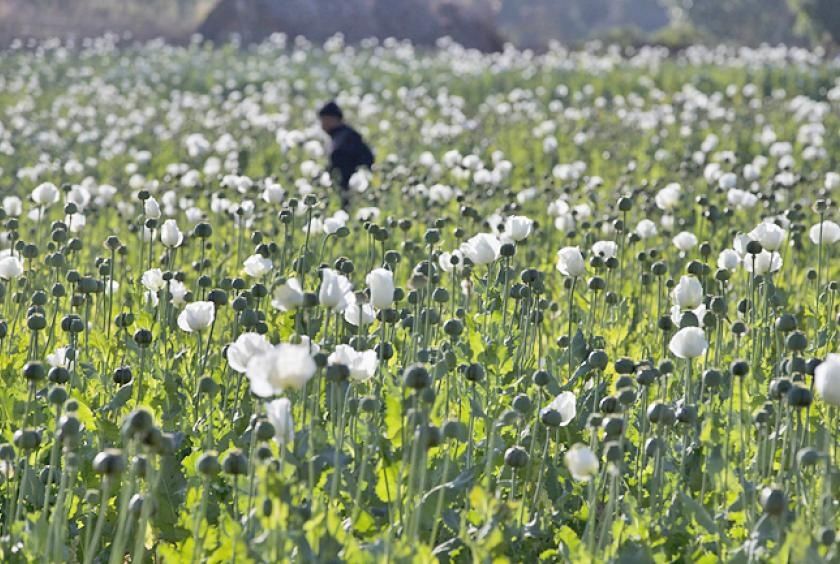
The heroin seizure, whilst smaller in weight than the pill haul, remains noteworthy because heroin represents a gateway to more severe addiction and criminality. Myanmar's opium poppy cultivation, concentrated in the northeastern Shan State region, continues despite sporadic eradication campaigns. Local armed groups involved in the drug trade have proven difficult for Myanmar's central government to dislodge, particularly given the country's current political instability following the 2021 military coup. This ongoing instability has arguably weakened counter-narcotics coordination and enabled trafficking organisations to operate with greater freedom.
For Malaysian stakeholders—including law enforcement, public health officials, and community organisations—these Myanmar operations provide a window into the upstream dynamics driving drug availability domestically. Understanding the scale of production and trafficking in Myanmar helps contextualise Malaysia's own drug interdiction priorities and informs policy discussions about whether current enforcement levels adequately address the problem's root causes. The CCDAC announcements, whilst highlighting successful tactical operations, do not address systemic vulnerabilities that allow such large quantities to transit Myanmar's territory in the first place.

