Both former education minister Nadiem Makarim and Indonesia's Attorney General's Office are challenging a corruption court judgment that has divided legal experts and civil society, signalling a potentially lengthy legal battle over allegations tied to a Chromebook laptop distribution programme for schools across the archipelago during 2020 to 2022.
The Jakarta Corruption Court declared Nadiem, co-founder of technology platform Gojek, guilty of abusing his authority on 30 June. Judges imposed a 10-year prison sentence, ordered payment of a Rp 1 billion fine, and mandated Rp 809 billion in restitution — a sum Nadiem's team contends he cannot afford. The court determined the scheme caused Rp 1.57 trillion in state losses through irregular procurement procedures. The prosecution had originally demanded 18 years imprisonment, a Rp 1 billion fine, and Rp 5.6 trillion in restitution, arguing that Nadiem personally benefited through transactions routed via PT Aplikasi Karya Anak Bangsa, Gojek's parent company. The significant gap between what prosecutors sought and what judges awarded has become a focal point for both legal teams mounting their challenges.
Nadiem's defence counsel formally filed an appeal with the Jakarta High Court, arguing the lower court's reasoning fundamentally misinterpreted the evidence presented throughout the trial. Attorney Ari Yusuf Amir emphasised that the verdict could discourage accomplished professionals from transitioning between the private sector and government positions, potentially establishing harmful precedent. The legal team has also signalled plans to lodge a complaint with the Judicial Commission, alleging the trial panel improperly disregarded documentary evidence and demonstrated bias in questioning tactics directed at the defendant. These dual challenges reflect confidence in Nadiem's defence strategy and suggest his team views the conviction as fundamentally flawed rather than merely excessive in sentencing.
The Attorney General's Office separately appealed through spokesman Anang Supriatna, who argued that the judges failed to adequately address critical issues prosecutors raised during proceedings. Prosecutors indicated they are simultaneously exploring whether to expand investigation into money laundering allegations under the 2010 Anti-Money Laundering Law, particularly given the court's observation of an unexplained wealth increase to Rp 4.87 trillion during proceedings. Nadiem attributes this spike to valuation increases in his GoTo shareholdings following the company's 2022 public listing, though his latest 2024 wealth declaration recorded a decline to Rp 600 billion. This wealth trajectory has become central to evaluating whether the defendant personally benefited from the questionable procurement arrangements.
The case has sparked substantial public debate about judicial reasoning and criminal culpability. Retired Constitutional Court Chief Justice Mahfud MD expressed surprise at the court's causal logic linking Nadiem to state losses through a company he co-founded years earlier, calling the judges' conclusions unusual in their structure. However, Mahfud acknowledged that the conviction must be respected pending appellate review and that judicial error claims should be pursued through proper channels rather than public criticism. His measured assessment contrasts with more forceful support from academics and civil society organisations who contend the prosecution reflects political motivation rather than evidence-based justice. Law professor Suparji Ahmad from Al-Azhar University Indonesia countered that judicial evidence regarding both criminal intent and the nexus between Nadiem's authority abuse and quantifiable state losses sufficiently sustained conviction, suggesting reasonable experts genuinely disagree on the merits.
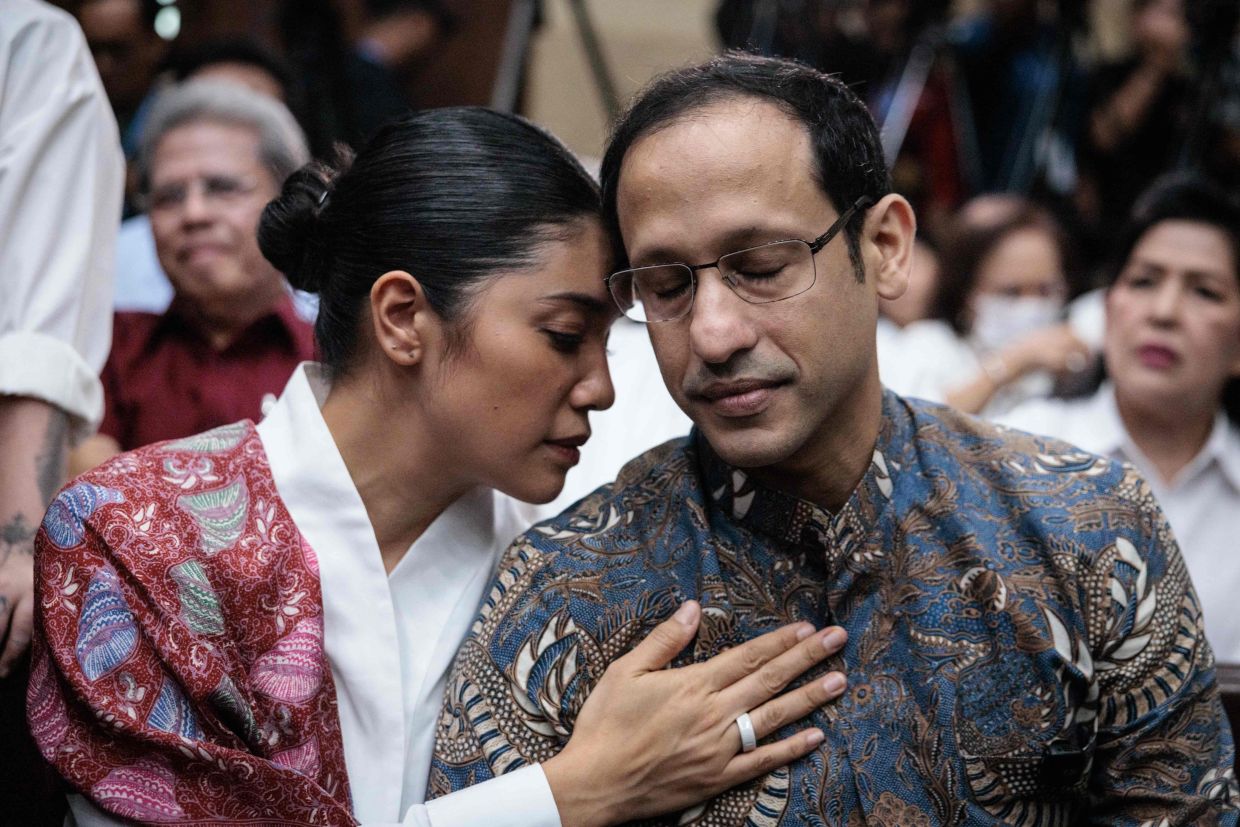
Nadiem emerged from the 30 June hearing visibly disappointed, pledging to "continue to fight for the truth" while emphasising his commitment to supporting young people, professionals, and those he described as discriminated against honest actors. The former minister, who departed Gojek in 2019 to serve education under President Joko Widodo, has maintained his innocence throughout proceedings. His framing of the dispute as extending beyond personal vindication to broader concerns about meritocratic governance reflects the appeal his case maintains among aspirational younger Indonesians and reform-minded civil society constituencies.
Broad support has crystallised around Nadiem since trial commencement, with substantial numbers of academics, think tanks, and non-governmental organisations warning publicly that the conviction could deter talented professionals from accepting government appointments. This concern resonates particularly across Southeast Asia, where retention of skilled technical talent in public administration remains chronically challenging. The cautionary effect of prosecuting high-profile corporate executives who transition into cabinet positions could reshape recruitment prospects for future administrations seeking to modernise institutional capacity. Some observers have drawn parallels to international experiences where excessive criminal penalties for ministerial tenure discourage private sector engagement with public service.
Coordinating Minister for Law, Human Rights, Immigration and Correctional Services Yusril Ihza Mahendra attempted to defuse speculation by asserting that government remains neutral throughout appellate processes and firmly denied consideration of presidential pardon, removing one potential pressure point from the proceedings. His statement underscores official acknowledgement that political dimensions surround the case despite the Justice Ministry's formal detachment. The government's careful posture reflects awareness that either intervention supporting or opposing Nadiem would generate accusations of politicisation while continuing non-intervention invites suggestions of abandonment.
The appellate process will likely extend substantially, with the Jakarta High Court now tasked with comprehensively reviewing trial evidence, prosecutorial arguments, and judicial reasoning under heightened public scrutiny. Should the high court uphold conviction, Nadiem retains the ultimate recourse of petition to Indonesia's Supreme Court, potentially extending resolution years beyond current expectations. Throughout this extended process, the substantive question of whether Nadiem knowingly orchestrated corrupt procurement or functioned as a willing executive within a flawed ministerial system will remain contested. The broader implications for Indonesia's capacity to attract accomplished talent into government leadership positions will persist regardless of final judicial determination, potentially reshaping governance recruitment strategies across the region's emerging democracies.

