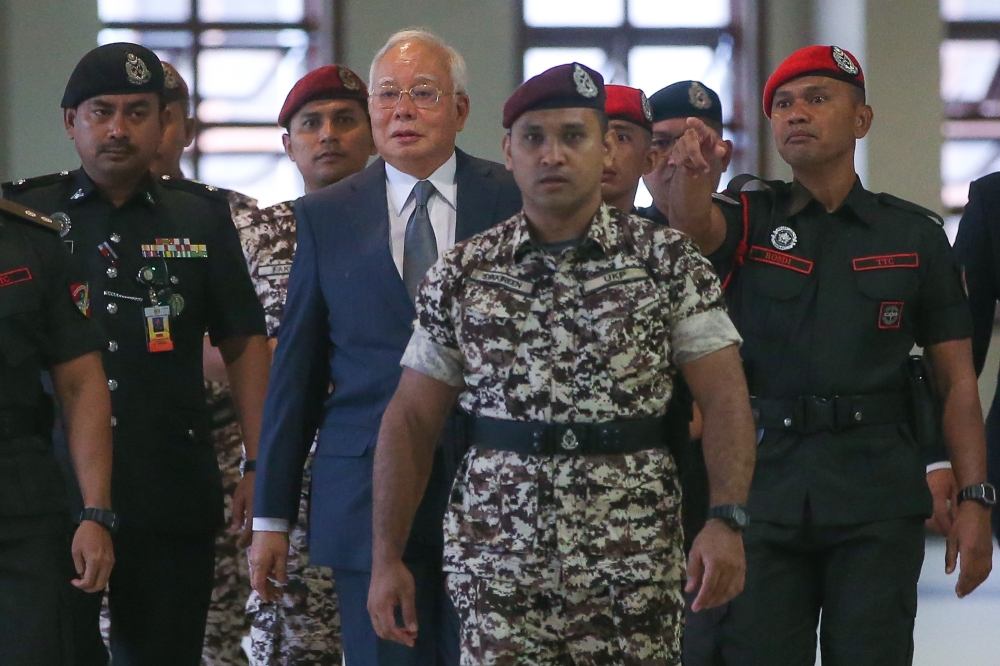
Testimony presented in the High Court on August 11 revealed that former Prime Minister Datuk Seri Najib Tun Razak decided to return US$620 million shortly after Malaysia's 2013 general election because he harboured reservations about keeping such a large sum in his possession. The assertion was made during proceedings in Kuala Lumpur as the court examined the circumstances surrounding the movement and disposition of significant funds during that politically sensitive period.
The decision to return the money, according to the testimony offered before the bench, stemmed from personal unease on Najib's part rather than from external pressure or regulatory requirements. This characterisation represents one element of the defence narrative in a case that has attracted considerable public attention given its connection to high-level Malaysian politics and questions about financial stewardship during the tenure of the country's sixth Prime Minister.
The handling of funds in the immediate aftermath of the 2013 general election has remained a focal point of political discourse and legal examination in Malaysia. That electoral contest, which saw Barisan Nasional secure victory despite facing the strongest electoral challenge in its history, marked a turning point in Malaysian politics and subsequently became intertwined with various financial inquiries and court cases.
For Southeast Asian readers, the case underscores broader questions about governance, accountability, and the mechanisms through which political systems address potential financial irregularities. Malaysia's commitment to examining such matters through its courts demonstrates the region's evolving approach to institutional oversight, even when that scrutiny involves individuals who previously held the highest elected office.
The testimony regarding Najib's personal discomfort with retaining the funds introduces a psychological or motivational dimension to the case. The defence appears to suggest that the decision to repatriate the money reflected prudent judgment rather than any acknowledgment of impropriety. This positioning may prove significant as the court evaluates witness credibility and the inferences that can reasonably be drawn from the evidence presented.
Understanding the timeline and circumstances of this transaction requires appreciating the political environment of 2013. The general election had imposed considerable demands on campaign financing mechanisms, and the aftermath typically involved substantial financial flows and adjustments as political entities settled accounts and repositioned their resources. Against this backdrop, the return of such capital became subject to retrospective scrutiny as broader investigations unfolded.
The High Court proceedings represent part of Malaysia's extended reckoning with questions that emerged regarding financial flows during previous administrations. The country's legal institutions have taken on the responsibility of examining these matters with considerable thoroughness, and the testimony presented constitutes part of a comprehensive evidentiary record being assembled for judicial determination.
For observers tracking Malaysia's governance and institutional development, these court proceedings reflect the judiciary's active engagement with matters of significant public interest. The detailed examination of financial transactions and decision-making processes, even when they involve former senior leaders, illustrates how Malaysia's legal system continues to address accountability concerns that resonate throughout the region.
The court's role in testing and evaluating the explanations offered for financial decisions carries implications extending beyond the immediate parties involved. Such proceedings contribute to public understanding of how Malaysia's institutions function when examining matters touching on political leadership and state resources. The thoroughness with which testimony is presented and examined sends broader signals about institutional seriousness and commitment to evidential scrutiny.
As the case continues through the judicial process, the various explanations and documentary evidence will ultimately inform the court's assessment of the relevant facts and applicable law. The testimony about Najib's personal discomfort represents one narrative element among the broader constellation of evidence and argument that will shape the eventual determination.
The proceedings also reflect Malaysia's position within a Southeast Asian and global context increasingly focused on governance standards and financial transparency. While each nation's judicial systems operate within distinct constitutional and legal frameworks, the commitment to examining such high-profile matters publicly demonstrates regional engagement with accountability principles that extend across borders and institutional boundaries.

