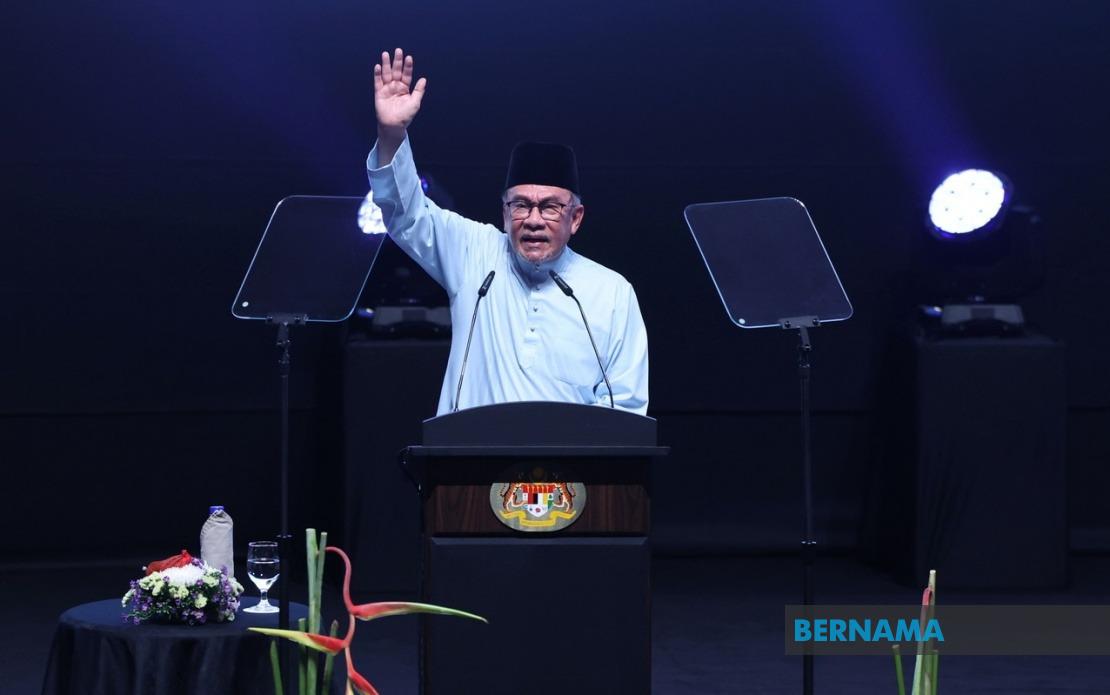
Malaysia's 2026 National Day Prime Minister's Address Ceremony will take place at the Putrajaya International Convention Centre (PICC) at 2 pm, the Ministry of National Unity announced on Thursday. The timing adjustment represents a deliberate shift in planning to accommodate broader public participation while maintaining stringent standards for attendee welfare and operational efficiency.
The relocation from the traditional venue at Dataran Merdeka in Kuala Lumpur to PICC occurred as part of a comprehensive response to environmental challenges currently affecting the region. Officials determined that the change would better serve the dual objectives of honouring Malaysia's founding while protecting the health and comfort of citizens and guests attending this significant civic occasion.
Haze concentrations across the Klang Valley and central Malaysian territories have prompted authorities to reassess public gatherings and outdoor activities. The Malaysian Meteorological Department forecasted persistent hazy conditions throughout Johor, Melaka, Negeri Sembilan, Selangor, Kuala Lumpur and Putrajaya extending through the final days of August, with air quality concerns also expected in Sabah. This environmental context directly influenced the decision-making process undertaken by the National Day and Malaysia Day Celebration Working Committee under the Ministry of Communications.
The venue transition carries practical implications for crowd management and logistics. PICC, a purpose-built convention facility, offers climate-controlled spaces and infrastructure designed to accommodate formal state ceremonies. The indoor setting eliminates exposure to outdoor air quality challenges while providing adequate facilities for media coverage, dignitary seating, and public access. The 2 pm scheduling positions the event during daylight hours, aligning with traditional ceremonial practices whilst accounting for weather patterns typical of the dry season haze period.
For Malaysian citizens and regional observers, this adjustment underscores how environmental conditions now factor prominently into national event planning. The shift demonstrates a government willingness to adapt ceremonial traditions when public health considerations warrant modification, a pragmatic approach that reflects contemporary governance priorities balancing symbolism with citizen welfare.
The Ministry of National Unity emphasized that the 2026 National Day ceremony serves as a crucial platform for the MADANI administration to articulate its vision for national development. The Prime Minister's address will spotlight government aspirations whilst reinforcing themes of independence, patriotism, and collective responsibility that remain central to Malaysian identity. This annual occasion provides an opportunity to reconnect the leadership with citizens and visitors around shared national values.
The government's invitation extends broadly across Malaysian society, positioning National Day celebration as an inclusive civic event transcending partisan divisions. Officials stressed that attendance encompasses representatives from diverse communities, fostering mutual understanding and reinforcing Malaysia's multicultural fabric. The emphasis on diversity acceptance and harmonious coexistence reflects ongoing national discourse regarding social cohesion and economic collaboration among different ethnic and religious groups.
The 2026 celebration also coincides with Malaysia Day observances, merging two significant national occasions into a unified commemoration framework. This combined approach allows authorities to coordinate messaging and resource allocation whilst maximizing public engagement. The unified working committee structure demonstrates inter-ministerial coordination, with communications officials partnering with national unity stakeholders to ensure seamless ceremony execution.
Regional haze patterns, increasingly common during particular seasons in Southeast Asia, have become a recurring policy consideration for Malaysian authorities. This year's air quality challenges highlight the interconnected nature of environmental issues affecting multiple countries simultaneously. Indonesia's seasonal burning practices and regional meteorological patterns contribute to transnational air pollution affecting Malaysia's planning calendars, suggesting that future national events may routinely incorporate environmental contingency measures as standard practice.
The relocation signals shifts in how Malaysia approaches ceremonial traditions in an era of climate variability and environmental consciousness. Rather than viewing venue changes as diminishing ceremonial significance, authorities framed the adjustment as ensuring optimal conditions for meaningful participation. This reframing matters symbolically, as it positions environmental responsibility alongside patriotic observance rather than presenting them as competing concerns.
Citizens wishing to participate in the 2026 National Day Prime Minister's Address are invited to attend the PICC ceremony. The government has encouraged broad public participation, viewing the event as strengthening collective identity and shared commitment to national progress. The relocation to an urban convention facility potentially improves accessibility for citizens with mobility considerations compared to outdoor plaza settings, though specific registration procedures and capacity limitations remain subject to forthcoming administrative guidelines.
As Malaysia continues developing its event management protocols in response to environmental variables, the 2026 National Day ceremony illustrates adaptive governance balancing tradition with contemporary realities. The decision to relocate reflects confidence that meaningful national commemoration transcends specific physical locations, with the substance of patriotic observance residing in collective participation and shared civic purpose rather than venue particulars alone.

