Security forces in Negeri Sembilan will get their chance to vote four days ahead of the general election when over 22,000 military and police officers, together with their spouses, head to the ballot boxes on July 28. The early voting arrangement reflects the Election Commission's longstanding practice of allowing essential personnel to participate in democratic processes without disrupting their operational duties. Among those eligible are 16,884 military personnel and their dependents, alongside 5,455 police officers and their families, a division that underscores the distinct roles each service plays in the state's security infrastructure.
To accommodate this substantial block of voters, the Election Commission has established 38 dedicated polling centres distributed across Negeri Sembilan, ensuring that service members stationed in different locations have convenient access to voting facilities. All centres will commence operations simultaneously at 8 am on July 28, though closing times will vary depending on local circumstances and operational requirements at each location. This staggered closure arrangement reflects the practical reality that security forces maintain different shift patterns and duty rosters throughout the state. Notable polling venues include the Army Basic Training Centre in Port Dickson, a strategic military hub; the Negeri Sembilan Contingent Police Headquarters in Selantan; the Sendayan Air Base in Seremban; and the Nilai District Police Headquarters, each representing a significant concentration of eligible voters.
Weather conditions could play a meaningful role in the voting exercise, particularly in certain locations. The Malaysian Meteorological Department has forecast clear skies during the morning hours across most of Negeri Sembilan, creating favourable conditions for the initial hours of polling. However, Port Dickson faces a different outlook, with meteorologists predicting heavy rainfall and thunderstorms that could complicate both the voting process and transport logistics in that area. Afternoon conditions across the state are expected to deteriorate considerably, with substantial rainfall anticipated nearly everywhere. These weather patterns may necessitate additional preparations at polling centres, particularly regarding shelter, accessibility, and the protection of electoral materials.
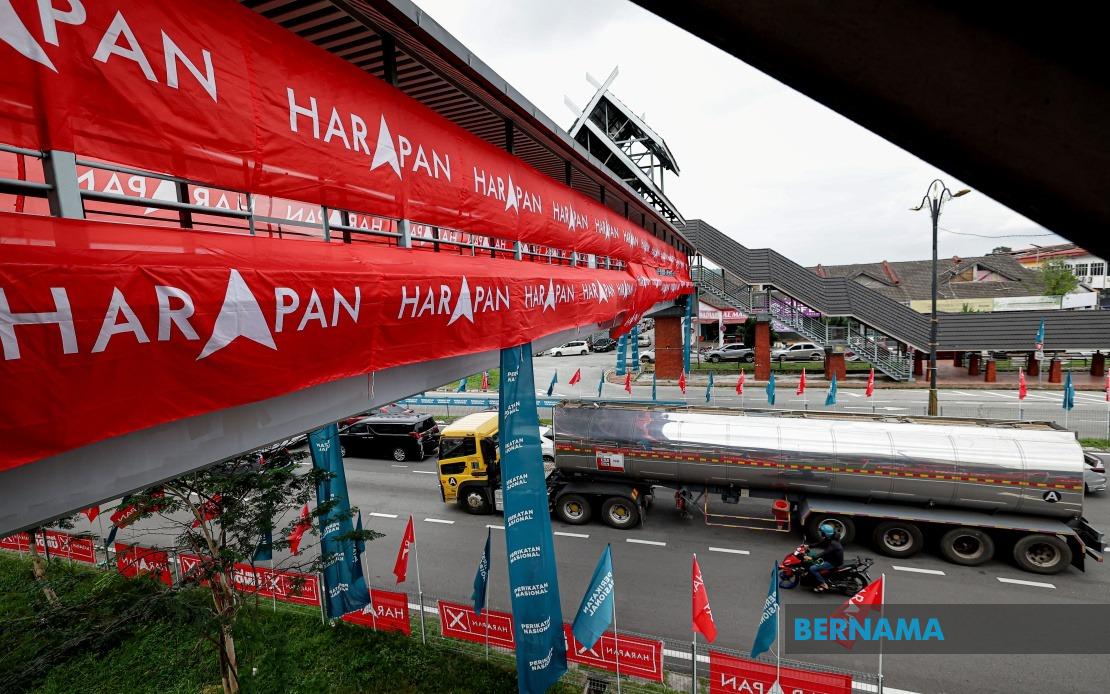
The Negeri Sembilan state election itself represents a comprehensive democratic exercise, with 103 candidates competing to fill all 36 state assembly seats. This level of candidacy demonstrates robust participation across multiple political formations and reflects the competitive nature of the contest. Pakatan Harapan has mounted a comprehensive campaign, fielding candidates in every single constituency—a total of 36 nominees comprising 16 from PKR, 11 from DAP, and nine from Amanah. This unified front suggests a coordinated strategy to capture the state, with the coalition leveraging its diverse component parties' respective strengths in different areas.
Barisan Nasional, the traditional ruling coalition, is taking a more selective approach by contesting 25 of the 36 seats. The coalition's candidate distribution reveals strategic calculations about where it holds competitive advantages: UMNO fields 16 candidates, MCA contributes seven, and MIC provides two. This partial contest strategy may indicate either deliberate seat-sharing arrangements or calculated decisions to concentrate resources in winnable constituencies. Perikatan Nasional, meanwhile, is contesting 11 seats through a coalition of its own, comprising five PAS candidates, four from Parti Wawasan Negara, and single representatives from Gerakan and the Malaysian Indian People Party. This multi-party configuration within PN mirrors similar arrangements in other recent state elections.
Independently contested candidates and smaller parties add further dimensions to the electoral landscape. Bersatu, contesting separately from its Perikatan allies, has fielded 24 candidates—a notably aggressive independent strategy that positions the party as a significant political force in its own right. Smaller parties round out the field: Parti Orang Asli Malaysia and Parti Sosialis Malaysia each contribute one candidate, while Parti Barisan Jemaah Islamiah Se-Malaysia has fielded seven candidates. This fragmentation of the ballot reflects Malaysia's evolving political ecosystem, where established coalitions increasingly face competition from splinter formations and niche political movements.
The election itself follows the dissolution of the Negeri Sembilan State Legislative Assembly on June 5, a process that triggered the machinery for the 16th state election. The Election Commission subsequently announced August 1 as polling day, providing over a month for campaigning and preparation. This timeline allows parties to conduct their electoral activities, engage with constituents, and organise their ground operations. The early voting arrangement for security forces fits within this broader electoral calendar, ensuring that these essential personnel can exercise their democratic rights without compromising their operational commitments during the main polling day.
From a Malaysian perspective, early voting provisions for security personnel represent a pragmatic accommodation of democratic principles with operational necessity. The armed forces and police services cannot afford to have significant portions of their personnel absent from duties simultaneously, particularly given ongoing security challenges and public order responsibilities. By enabling these voters to participate several days in advance, the Election Commission ensures inclusive participation while maintaining institutional effectiveness. This arrangement has become standard practice in Malaysian elections, reflecting a mature approach to balancing electoral access with practical governance requirements.
The Negeri Sembilan contest carries broader implications for Malaysian politics, as state elections increasingly serve as barometers for national political sentiment. The performance of Pakatan Harapan, which previously governed the state, against both Barisan Nasional and the emerging Perikatan Nasional configuration, will provide important signals about voter preferences and coalition dynamics. For southeast Asia observers, Malaysian state elections demonstrate how Westminster-derived democracies adapt institutional practices to contemporary political complexities, including managing security force participation in elections while maintaining operational integrity.

