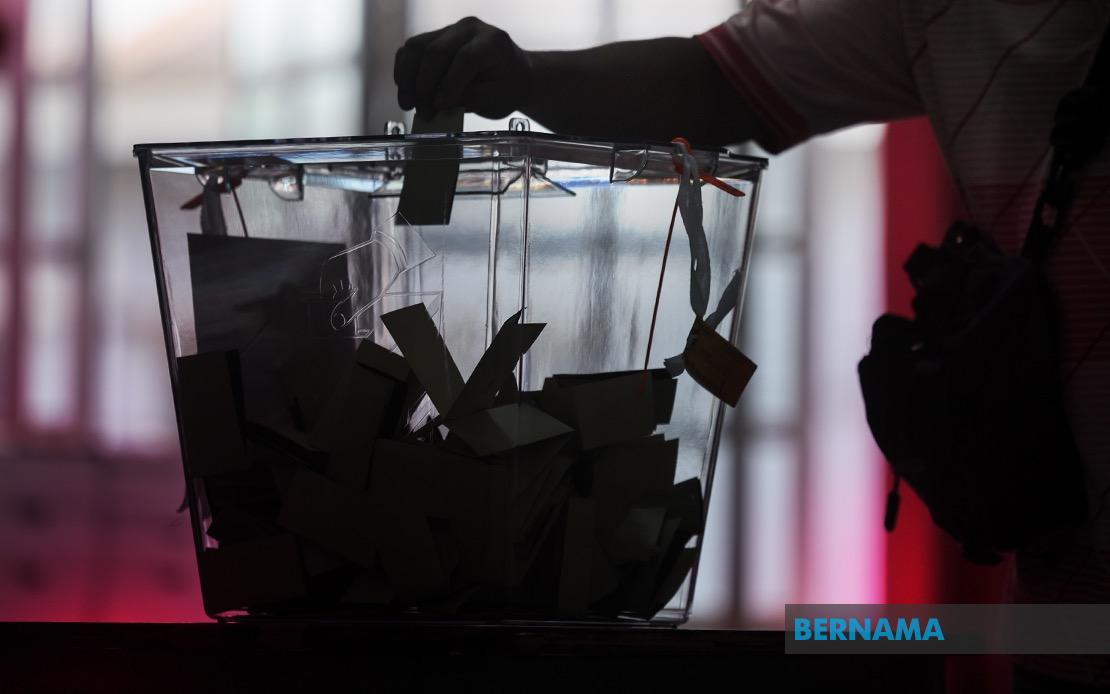
Negeri Sembilan is gearing up for its 16th state election on August 1, with early voting scheduled for July 28 to accommodate members of the security forces. The early polling arrangement reflects longstanding electoral practice in Malaysia, allowing military and police personnel to cast ballots before the official polling day when most civilian voters will participate. Early voting centres across the state will open at 8 am and operate under a staggered closure schedule published in a Federal Government Gazette dated July 23, requiring careful coordination across 38 designated centres.
The staged closures are designed to manage the flow of early voters over an extended period rather than compressing all activity into a single end time. Eighteen centres will shutter at noon, including facilities at district police headquarters, several police stations, and the 508th Army Reserve Regiment at Jalan Rasah Camp. These midday closures span constituencies including Chennah, Pertang, Jeram Padang, Lenggong, Nilai, Seri Menanti, Johol, Labu, Rahang, Rantau, Kota, Chuah, Lukut, Bagan Pinang, Linggi, Gemas, and Gemencheh, covering polling locations strategically positioned across the state's diverse geography.
A second tier of centres will conclude operations at 2 pm, specifically those in Bahau and Paroi constituencies. These locations serve to distribute voting opportunities across different time windows, reducing congestion and allowing security personnel stationed in various parts of Negeri Sembilan to participate without major disruption to operational duties. The remaining 18 centres will operate the longest, remaining open until 5 pm. These facilities serve constituencies including Repah, Gemas, Sri Tanjung, Linggi, Rantau, Chembong, Paroi, Rahang, Bukit Kepayang, Pilah, Sikamat, Temiang, Nilai, Serting, Klawang, and Sungai Lui, with Bagan Pinang featuring two centres in this category.
The early voting scheme is expected to accommodate approximately 16,884 military personnel and their spouses, alongside 5,455 police officers eligible to participate. Combined, these groups represent over 22,000 voters whose occupational commitments necessitate voting before the general election day. This arrangement recognises the operational demands placed on Malaysia's security forces and ensures their democratic participation without compromising public safety and order during the election period. The staggered approach also reduces pressure on individual polling stations by distributing the expected voter turnout across multiple time slots.
On the actual polling day of August 1, the electoral machinery will expand significantly, with 395 polling stations operating from 8 am to 6 pm across Negeri Sembilan. These facilities utilise diverse venues including schools, community halls, colleges, sports complexes, and public halls—reflecting how elections mobilise civic infrastructure across the state. A total of 867,151 regular voters are registered and eligible to cast ballots in this election, representing the broader electorate beyond the security personnel voting early. This substantial voter roll underscores the significant electoral engagement in a state with a population spread across both urban and rural areas.
The 36 state seats up for election in Negeri Sembilan carry particular significance given the state's recent political dynamics. In the previous 2023 state election, Pakatan Harapan secured a plurality with 17 seats, establishing their position as the ruling coalition. Barisan Nasional obtained 14 seats, maintaining a strong presence in the legislative assembly, while Perikatan Nasional captured five seats, demonstrating the tripartite political competition shaping state politics. These numbers indicate that no single coalition commands an overwhelming majority, making every seat and every voter strategically important in the upcoming contest.
The dissolution of the state legislative assembly was formally endorsed by Tuanku Muhriz Tuanku Munawir, the Yang Dipertuan Besar of Negeri Sembilan, on June 5. This constitutional process set the stage for the new election cycle and triggered the electoral calendar that has culminated in the July 28 early voting and August 1 general polling day. The involvement of the royal institution in formally dissolving the assembly underscores the constitutional framework governing Malaysian state politics and the ceremonial role of state rulers in the democratic process.
For Malaysian voters and observers, the Negeri Sembilan election offers insight into broader peninsular political trends, particularly concerning the stability of the Pakatan Harapan-led administration and the competitive positioning of Barisan Nasional and Perikatan Nasional. The state election serves as a barometer for coalition performance and policy effectiveness in areas ranging from economic development to service delivery. Negeri Sembilan's location between the Klang Valley and Johor means it absorbs economic and social influences from multiple directions, making its electoral outcome potentially reflective of wider voter sentiment across the region.
The logistics of running early polling centres across 38 locations while maintaining security and integrity of the electoral process demonstrates the institutional capacity of Malaysian election administration. The Election Commission, in coordination with state authorities and security agencies, has meticulously planned the schedule to ensure accessibility for military and police personnel whilst maintaining the confidentiality and security that democratic voting demands. The gazetted polling hours represent months of planning involving multiple government agencies.
The early voting mechanism also carries broader implications for understanding voter behaviour and participation patterns in Malaysia. By studying early polling turnout and demographic characteristics of early voters compared to general election day participation, electoral researchers gain insights into how occupational categories engage with democratic processes. The substantial numbers of military and police personnel voting early—over 22,000 individuals—underscores the significant representation of security forces in Malaysian electoral politics and their role as stakeholders in governance.
As Negeri Sembilan approaches its electoral contest, the carefully orchestrated schedule of early voting on July 28 and general polling on August 1 will test the effectiveness of Malaysia's electoral machinery whilst providing another chapter in the state's ongoing political narrative. The staggered closure times, though seemingly administrative detail, reflect sophisticated electoral management that balances operational needs with democratic participation. For observers across Southeast Asia, the Negeri Sembilan election demonstrates how diverse and complex electoral systems function in a constitutional monarchy with multiple tiers of government and competing political coalitions.

