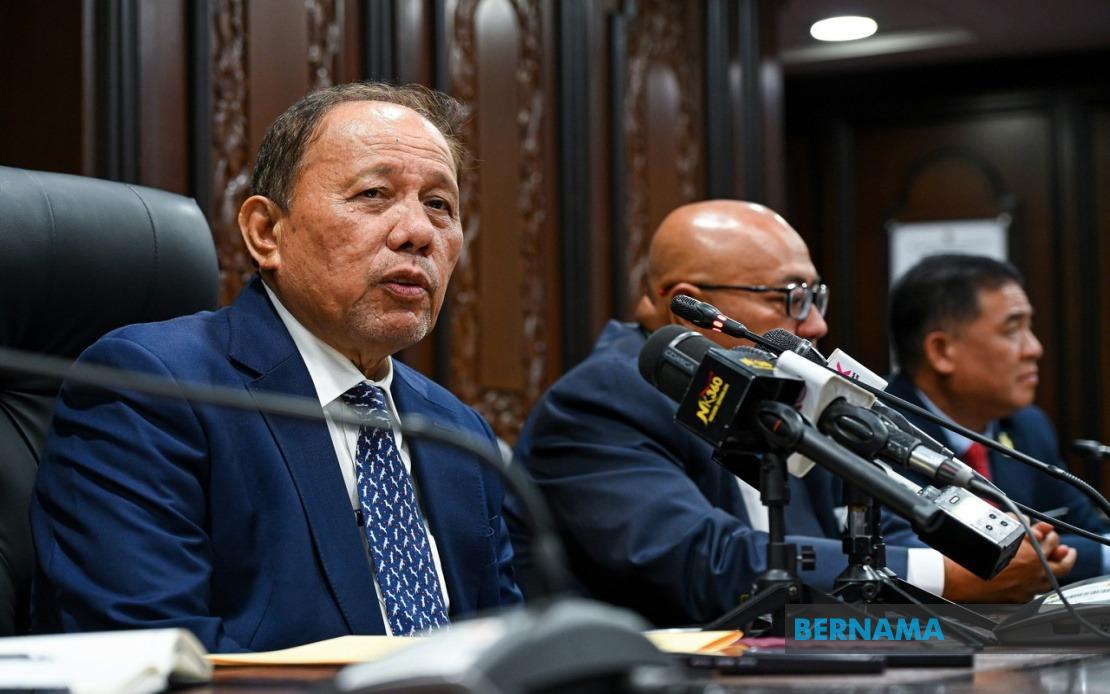
Negeri Sembilan residents will see no increases in their residential assessment tax for the next five years, following a decision by the state government announced by Menteri Besar Datuk Ismail Lasim in Seremban on August 10. The freeze, which came into effect following a State Executive Council meeting, represents a commitment by the Barisan Nasional-led administration to provide relief to homeowners amid rising living costs. While the assessment tax itself will remain in place, the decision to hold rates steady reflects an effort to protect household budgets from further strain during economically uncertain times.
The announcement came shortly after local authorities had been preparing for a potential increase in assessment tax rates, scheduled to take effect either in January or July. The Menteri Besar clarified that although studies on possible rate increases had already been conducted, the state government chose to override those recommendations in favour of maintaining the status quo. This represents a reversal of what had been anticipated by municipal and local governments across Negeri Sembilan, who had been preparing administrative frameworks for the new rates.
Datuk Ismail Lasim emphasised that this decision forms part of the Barisan Nasional's electoral promises made during the 16th Negeri Sembilan State Election. By committing to freeze residential assessment tax for half a decade, the administration is signalling its intention to prioritize affordability and ease the financial pressures faced by ordinary Negeri Sembilan households. For residents, this means predictable housing costs for a considerable period, allowing for better long-term financial planning without the burden of escalating local taxes.
The implications of this freeze extend beyond simple tax relief. Assessment taxes serve as a critical revenue source for local authorities responsible for maintaining municipal infrastructure, collecting waste, providing street lighting, and managing public amenities. By committing to no increases for five years, the Negeri Sembilan government is effectively accepting that local authorities will need to find alternative sources of revenue or operate under tighter budgetary constraints. This could potentially impact service delivery or lead to delayed infrastructure upgrades in the state's municipalities and towns.
For Malaysian homeowners across the region, the Negeri Sembilan announcement may have broader implications. As a relatively early and visible move by a state government to freeze assessment taxes, it could set expectations among residents in other states regarding their own local tax burdens. However, it also highlights the tension between providing taxpayer relief and maintaining adequate funding for local government services, a challenge many state administrations across Malaysia are grappling with.
Beyond the assessment tax announcement, Datuk Ismail Lasim detailed preparations for the state legislature's opening session, scheduled for August 18. During this inaugural sitting of the 16th Negeri Sembilan State Legislative Assembly, all state assemblymen will be sworn in, and key positions including the Speaker and Deputy Speaker will be determined. The selection of the Speaker from individuals outside the state assembly represents an unconventional approach, suggesting the administration may be seeking external expertise or consensus-building perspectives.
The Menteri Besar indicated that the Deputy Speaker position would be filled by someone currently serving as a state assemblyman, with a candidate already identified though not yet publicly named. The announcements regarding both positions are expected within the coming week, as the administration moves forward with establishing its legislative apparatus. Alongside these appointments, an additional budget will be tabled to address specific state financial requirements, indicating that immediate fiscal priorities have been identified.
During the State Executive Council meeting, Datuk Ismail Lasim stressed the importance of cohesive governance, calling upon all Exco members to execute their portfolios with dedication, integrity, and professionalism. His emphasis on team coordination and clear portfolio leadership suggests an administration keen on establishing clear lines of responsibility and accountability. Each Exco member is expected to ensure that their respective departments and agencies remain aligned with broader state government objectives, a management approach aimed at streamlining decision-making and implementation.
The broader context of these announcements reflects a new administration consolidating its position following recent state elections. By announcing popular measures such as the assessment tax freeze while simultaneously emphasizing professional governance standards, the Menteri Besar is attempting to establish credibility both with the electorate and within the bureaucratic apparatus. This dual approach—balancing voter-friendly policies with institutional discipline—is characteristic of governments seeking to build confidence in their administration.
For residents and businesses in Negeri Sembilan, the five-year assessment tax freeze provides clarity regarding one element of their financial obligations. However, the state's approach to balancing such relief against the fiscal needs of local authorities remains to be seen. As other Malaysian states observe this policy, questions may arise about whether similar freezes could be implemented elsewhere without compromising essential local services, making Negeri Sembilan's experience a potential test case for sustainable relief measures.

