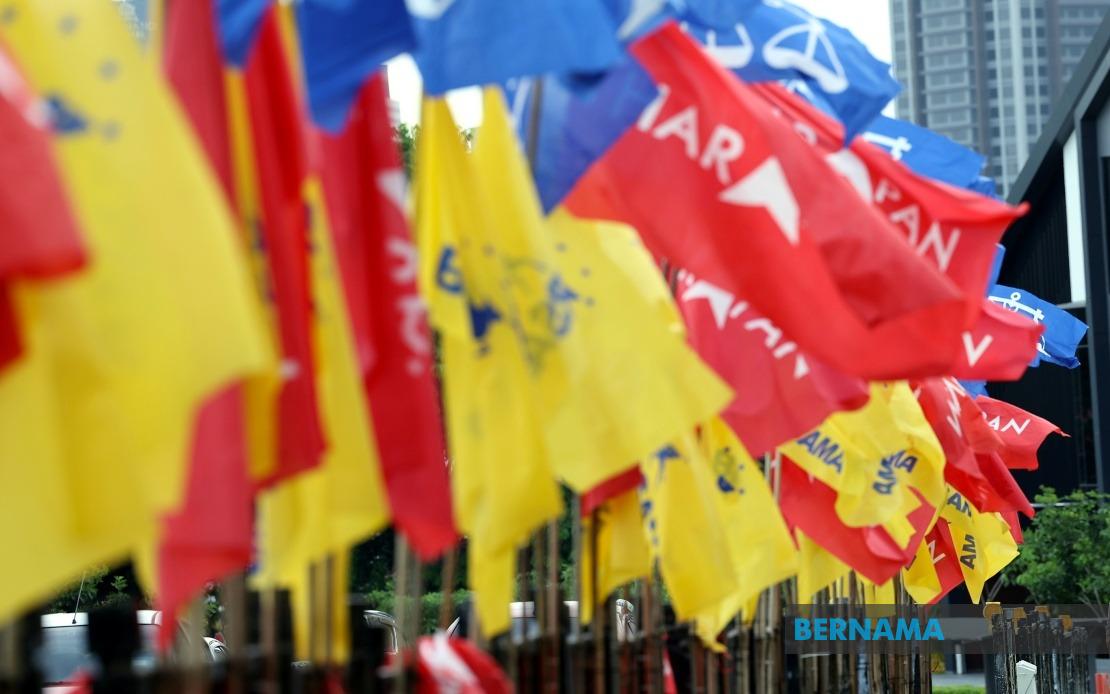
The Negeri Sembilan royal household has made an explicit call on all political parties participating in the upcoming 16th state election to keep the monarchy completely removed from their campaign rhetoric and promotional activities. The warning, issued through Comptroller of the Negeri Sembilan Royal Household Datuk Azizi Mohamad Ali, underscores the palace's determination to maintain its established position of political neutrality as the state heads into a highly competitive electoral period.
The comptroller's statement reflects growing concern about the potential misuse of royal symbolism during electioneering, a phenomenon that has surfaced periodically across Malaysian states. By articulating this position well in advance of polling day, the palace is attempting to establish clear boundaries that prevent any political entity from claiming association with, or endorsement from, the royal institution. Such preemptive messaging serves to protect both the monarchy's institutional integrity and the electoral process itself from being compromised by deliberate or inadvertent linkages between political campaigns and royal patronage.
According to Datuk Azizi, the royal institution's fundamental role transcends party politics and instead functions as a unifying force for all residents of Negeri Sembilan. The monarchy, he explained, exists to preserve the state's social cohesion, maintain stability, and promote the collective welfare of the populace. This framing positions the royalty as belonging to all citizens equally, irrespective of their political affiliations or voting preferences. The message implicitly cautions candidates that attempting to monopolize royal symbolism for electoral advantage undermines this inclusive national function.
The palace statement explicitly categorizes any public claims, visual representations, recorded statements, or other materials that connect the Negeri Sembilan Palace, the Ruler himself, or members of the royal family to specific political parties as categorically false. This blanket declaration aims to preempt the circulation of misleading information that might otherwise gain traction during the campaign period. By establishing this clear factual baseline, the palace seeks to eliminate any ambiguity that political operatives might exploit to manufacture the appearance of royal backing for their candidates or policies.
All candidates standing for election in Negeri Sembilan have been explicitly advised to steer clear of politicizing matters traditionally considered sensitive in Malaysian governance. The palace referenced the "3R" framework—religion, royalty, and race—as domains where electoral campaigns must exercise exceptional caution and restraint. The emphasis on avoiding these contentious areas reflects established conventions in Malaysian electoral conduct, recognizing that unrestricted political contestation over these dimensions could inflame communal tensions and destabilize the social fabric of the state.
Beyond the specific injunction against royalty exploitation, the palace's statement encompasses a broader appeal for ethical and lawful campaign conduct. Candidates are encouraged to adhere to established electoral regulations and to conduct their political engagement in a manner that respects the state's overarching interest in preserving harmony. This guidance extends beyond technical compliance with electoral law to encompass the spirit of responsible political behavior that Malaysian institutions expect during contested elections.
The palace also appealed directly to the general public, urging citizens to exercise critical judgment regarding information they encounter during the campaign season. The comptroller specifically warned against believing or propagating unverified claims without proper verification. This public-facing message acknowledges the challenge posed by misinformation in the digital age, where false claims can spread rapidly without authoritative contradiction. By directing the public to rely exclusively on official palace communications, the institution is attempting to establish itself as the sole credible source on matters concerning the royal household's political positioning.
The appreciation expressed toward political parties for their cooperation suggests that the palace has engaged in preliminary consultations with key electoral stakeholders before issuing this formal statement. This collaborative approach, rather than adversarial positioning, reflects the palace's preference for achieving compliance through consensus-building rather than confrontation. The implicit recognition that parties have a responsibility to maintain institutional separation between political campaigns and royalty indicates a shared understanding among Malaysia's political establishment about the importance of protecting this constitutional boundary.
Negeri Sembilan's state legislative assembly was dissolved on June 5, initiating the formal process leading to the 16th state election. The electoral timeline has compressed significantly, with early voting scheduled to occur immediately after the palace's statement and general polling set for August 1. This relatively tight calendar underscores the timeliness and strategic importance of the palace's intervention, coming when campaign machinery is actively mobilizing and messaging is still being refined across contending parties.
The statement represents a critical moment in Negeri Sembilan's democratic process, as institutions work to establish and maintain boundaries essential to healthy democratic functioning. The palace's intervention reflects broader concerns within Malaysian governance about preserving the monarchy's constitutional role while ensuring that electoral competition remains vigorous but contained within appropriate institutional limits. For voters in Negeri Sembilan, the message provides reassurance that the royal institution will not become a prize in political contestation, thereby preserving its function as a symbol of national unity transcending temporary party alignments.
This episode also carries implications beyond Negeri Sembilan's borders, offering a model for how Malaysia's royal institutions can proactively defend their political neutrality without direct intervention in electoral outcomes. The approach balances institutional assertiveness with respect for democratic processes, demonstrating that constitutional monarchy and competitive elections can coexist through careful attention to institutional boundaries and established conventions.

