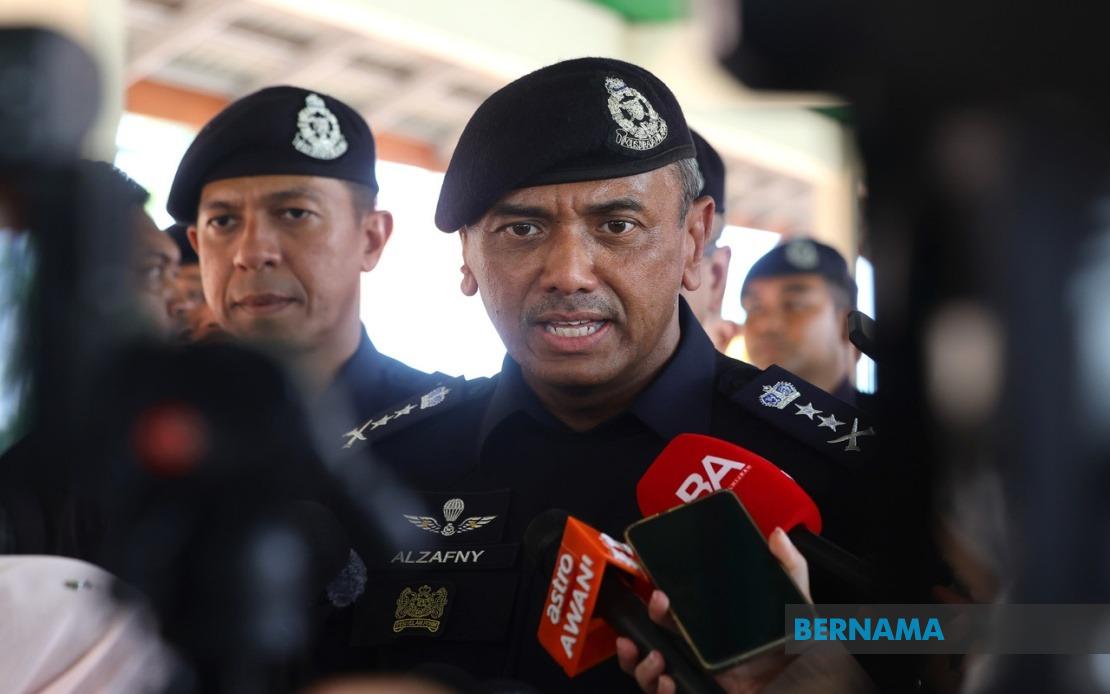
The nomination process for Negeri Sembilan's 16th state election proceeded without disruption on July 18, with authorities confirming that candidates and supporters adhered to prescribed procedures across all eight designated centres in the state. State police chief Datuk Alzafny Ahmad confirmed that the morning and midday proceedings were orderly, with no reported security breaches or disturbances that might have threatened the integrity of the electoral exercise.
Candidate registration saw varied turnouts across the nomination venues, reflecting differing levels of voter mobilisation in different constituencies. Jempol emerged as the centre attracting the largest gathering, drawing approximately 2,500 party supporters keen to witness their chosen candidates formally enter the contest, while Kuala Pilah drew the smallest crowd at roughly 1,000 attendees. The intermediate centres recorded figures falling between these parameters, suggesting relatively balanced enthusiasm for the electoral process across the state's diverse regions.
The smooth execution of nomination day reflected extensive security preparation undertaken by state law enforcement. A deployment of 2,373 police officers and personnel across all eight centres provided the visible assurance of order while facilitating traffic management and crowd control in areas surrounding the nomination venues. This substantial mobilisation underscores the seriousness with which authorities approach maintaining electoral integrity and public confidence in democratic processes, particularly during high-pressure periods when rival political movements converge.
Datuk Alzafny's public remarks contained a significant advisory component directed at candidates preparing for the coming campaign period. He urged contestants to maintain elevated standards of political discourse by avoiding references to the three sensitive pillars commonly abbreviated as the 3Rs—religion, royalty, and race—that have historically triggered communal tensions in Malaysian electoral contests. The warning reflected institutional awareness of how incendiary rhetoric during campaigns can inflame dormant grievances and destabilise social harmony in religiously and ethnically diverse constituencies.
Beyond the prohibition on sensitive themes, police guidance extended to broader standards of campaign conduct. Candidates received explicit instructions to refrain from inflammatory language designed to provoke, incite, or slander opponents in ways that might generate public disorder or foster inter-racial antagonism. The framing of these instructions emphasised that political competition should turn on substantive party platforms and leadership credentials rather than identity-based appeals or demonisation of rival communities.
The police directive also encompassed seemingly mundane but practically significant matters of electoral compliance. Candidates and campaigners were reminded of traffic safety regulations, including mandatory helmet use when traversing village and residential areas on motorcycles. Such requirements, while ostensibly routine, reflect the comprehensive regulatory architecture governing campaign activities and signal that police oversight extends beyond high-level political messaging to encompass everyday conduct during the electoral season.
Coordination between law enforcement and the Election Commission has established dedicated monitoring infrastructure to track compliance throughout the campaign phase leading toward polling day. These collaborative oversight mechanisms represent a structural commitment to preventing violations across multiple dimensions of electoral law, from campaign financing transparency to observance of permissible conduct standards. The partnership between police and electoral authorities thus creates overlapping layers of accountability intended to deter infractions.
The 16th Negeri Sembilan state election will proceed toward its climax with early voting scheduled for July 28, followed by the main polling day on August 1. This compressed timeline concentrates electoral activity into a fortnight, intensifying the demands on both campaign organisations and security apparatus. The successful management of nomination day provides encouraging indication that authorities possess the operational capacity to maintain order throughout this compressed election cycle.
For Malaysian voters and political observers, the orderly progression of nomination procedures carries broader implications. Peaceful candidate registration typically correlates with reduced communal tensions and suggests that rival political movements have internalised expectations of democratic civility. The restraint demonstrated on nomination day may indicate that the electoral contest, despite inevitable partisan rivalry, will unfold within established norms of constitutional competition rather than descending into acrimonious or destabilising conflict.
The Negeri Sembilan election occupies particular significance within Malaysia's political landscape, as state contests frequently serve as barometers of shifting voter preferences and national political trends. The conduct of this election will thus attract scrutiny not merely from state-level observers but from federal-level political actors assessing the durability of their support among the electorate. The police commitment to maintaining order and ensuring compliance with campaign standards therefore carries implications extending beyond Negeri Sembilan's borders.
Authorities' emphasis on preventing inflammatory rhetoric and communal provocation reflects hard-won lessons from previous Malaysian electoral contests where careless or calculated incitement has occasionally triggered public disturbances. By establishing clear expectations and demonstrating visible readiness to enforce compliance, police and election officials have sought to raise the costs of rule-breaking while encouraging candidates toward more responsible discourse. Whether this preventive framework proves sufficient to contain all manifestations of campaign excess will become apparent as the election progresses toward August 1.

