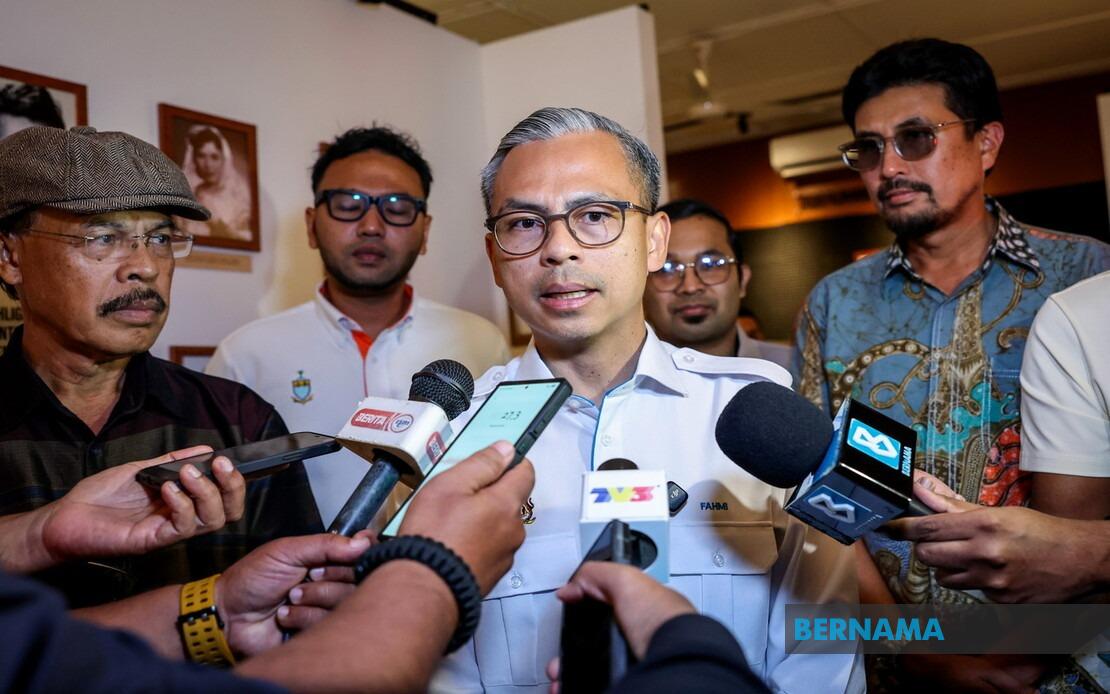
With Negeri Sembilan's state election underway, authorities are mounting a fresh push to combat the spread of misinformation and unverified claims circulating through social media platforms. Communications Minister Datuk Seri Fahmi Fadzil has issued a direct appeal to voters and online users across the state to adopt a more critical approach when encountering political content during this sensitive electoral period, emphasizing the need to cross-reference viral posts with reporting from established news organisations before accepting or sharing such material.
The minister's warning reflects growing anxiety among Malaysian officials about the intersection of digital communication and electoral integrity. Fahmi highlighted a particularly troubling trend: the repackaging and recirculation of outdated material as breaking news, combined with deliberately fabricated stories designed to sway voter sentiment. Such tactics exploit the speed and reach of social media to maximise their impact before fact-checkers can intervene, creating windows of vulnerability where false narratives can take root in public consciousness.
What makes this challenge particularly acute is the mediated nature of how many Malaysians now consume political information. According to Fahmi's observations, a significant proportion of voters encounter campaign-related content first through messaging applications such as WhatsApp rather than through traditional news channels. These platforms create echo chambers where information circulates among trusted contacts, lending it an informal credibility that can override users' natural scepticism. The forwarding of unverified claims through personal networks transforms rumour into apparently endorsed fact within minutes.
The Malaysian Communications and Multimedia Commission (MCMC) has already fielded sixteen reports since campaigning commenced, encompassing both deliberate misinformation and complaints about internet connectivity problems that may themselves fuel conspiracy narratives. This volume, while manageable, suggests a baseline level of problematic content already circulating and being flagged by alert citizens. However, the real concern lies with material that goes unreported—claims that gain traction within particular demographic or geographic segments without triggering formal complaints.
Fahmi's message extends beyond voters to encompass media organisations themselves, calling upon newsrooms to adopt more aggressive fact-checking protocols and to proactively address viral claims that circulate beyond their immediate coverage. This reflects an acknowledgment that the traditional media's reactive stance—reporting on claims after they have already proliferated—may be insufficient in an environment where false information travels at digital speed. By positioning mainstream media as active guardians against misinformation rather than mere reporters of events, the minister is attempting to rebuild public trust in institutional gatekeeping.
The timing of this advisory coincides with a broader regional pattern of electoral misinformation campaigns. Southeast Asian democracies have repeatedly witnessed attempts to manipulate voter behaviour through coordinated social media campaigns, often originating from malicious domestic actors rather than foreign sources. The Negeri Sembilan campaign provides an opportunity to test communications strategies and public messaging that may become standard practice during larger electoral contests, including any federal elections that might be called in coming years.
For Malaysian voters, the practical implication is clear: political claims encountered through social media should trigger verification instincts rather than immediate sharing reflexes. Checking whether major news outlets have independently reported a claim provides a basic filter against the most egregious fabrications, though it does not guarantee complete accuracy. More sophisticated misinformation campaigns may involve partial truths presented in misleading contexts, requiring deeper critical engagement than simple cross-referencing can provide.
The advisory also implicitly acknowledges the limitations of government-led fact-checking efforts. Rather than positioning the MCMC or other state bodies as primary arbiters of truth during elections—a stance that could invite accusations of partisan interference—Fahmi is delegating the verification burden to citizens themselves, supported by mainstream media institutions that maintain some claim to editorial independence. This distributed approach to fighting misinformation relies on cultivating a more media-literate electorate capable of independently assessing claims.
Beyond Negeri Sembilan, this initiative carries implications for how Malaysia's political system adapts to challenges posed by digital communication networks. The state election serves as a testbed for interventions that may later scale to national campaigns. If mainstream media outlets respond effectively to the minister's call for proactive fact-checking, this model could become institutionalised. Conversely, if misinformation spreads despite these efforts, pressure may mount for more aggressive regulatory measures or even content removal policies that raise separate concerns about freedom of expression.
The challenge facing Fahmi and other policymakers is balancing the genuine need to protect electoral integrity against the risk of over-correcting and stifling legitimate political discourse. Voters discussing candidates' track records or policy positions on social media represent healthy democratic engagement, not misinformation requiring intervention. The line between false claims that warrant correction and partisan argumentation that simply favours one candidate over another remains contested and difficult to police without potential bias.
As the Negeri Sembilan campaign progresses, the effectiveness of this public education approach will become evident through the volume and nature of complaints reaching authorities, as well as through qualitative assessments of whether voters report increased scepticism toward unverified claims. Should this intervention prove successful, it may offer a replicable model for future elections across Malaysia. Should it fall short, it will likely prompt discussions about whether more interventionist measures are justified, including potential legislation targeting electoral misinformation specifically.

