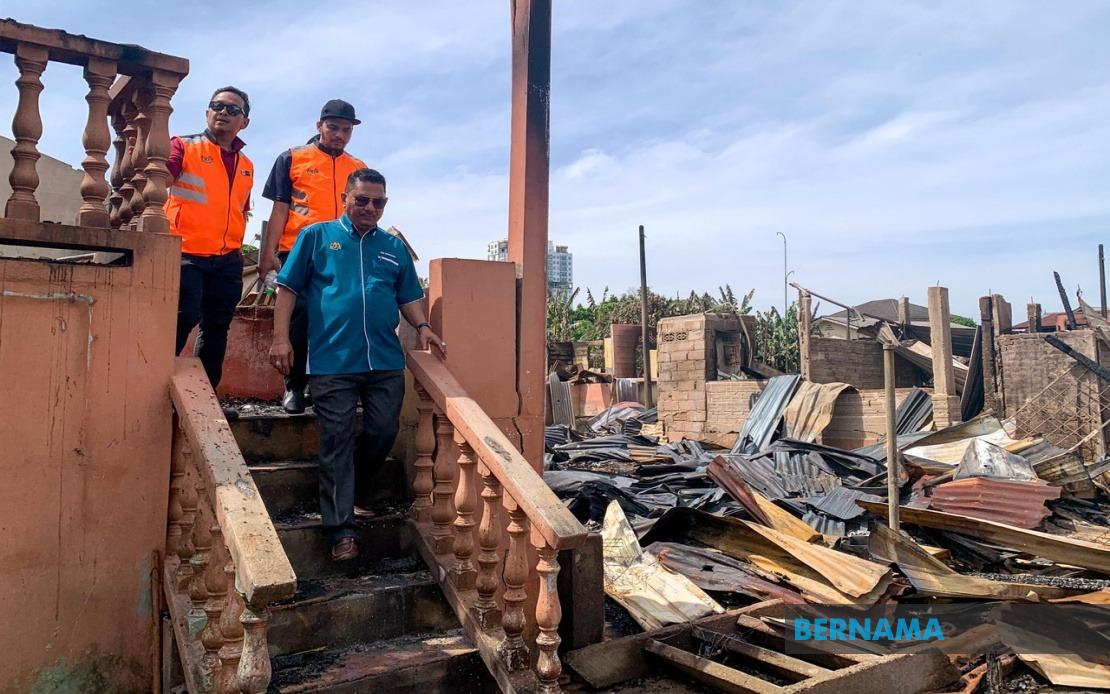
A devastating fire that swept through Kampung Gok Kapur in Kota Bharu on June 8 originated from the reckless burning of papers inside a residential kitchen, the Kelantan Fire and Rescue Department (JBPM) has confirmed following a detailed forensic investigation. The incident, which consumed 27 homes and displaced more than a hundred residents, underscores the severe consequences that can result from careless handling of open flames in densely populated residential areas.
Kelantan JBPM director Farhan Sufyan Borhan revealed that the department's Fire Investigation Forensic Unit had painstakingly reconstructed the sequence of events leading to the disaster. The investigation centred on physical evidence recovered from the scene and detailed statements provided by residents, all of which converged on a single cause: someone had deliberately applied a gas lighter to ignite a pile of papers in the kitchen of one dwelling. This deliberate action, carried out without proper precautions, proved catastrophic.
What began as a localised kitchen fire rapidly escalated beyond control. The initial flames consumed surrounding combustible materials stored in and around the kitchen area, quickly spreading to other sections of the house. Within moments, the advancing fire jumped to neighbouring structures, demonstrating how swiftly flames can propagate through wooden residential buildings, particularly in kampung settings where homes are often built in close proximity to one another. The investigation established that negligence during the burning activity itself directly facilitated this uncontrolled spread.
The aftermath of the blaze was sobering. A total of 110 villagers, their lives upended in minutes, found themselves without homes and possessions. These displaced residents were relocated to temporary shelter at the nearby Mukim Banggol Mosque, where emergency response teams and local authorities worked to provide basic necessities and support. Fortunately, no fatalities were recorded in the incident, though the psychological and material toll on the affected community remained substantial.
The investigation's conclusion that negligence was the underlying cause carries significant implications for fire safety awareness in Malaysian residential communities. Open flame sources—whether lighters, matches, or candles—pose inherent risks when used in enclosed kitchen spaces where cooking residues, grease, and various flammable items accumulate. The Kelantan JBPM's findings suggest that the person responsible may not have fully appreciated the fire hazard posed by their actions, or chose to disregard standard safety practices.
Kelantan JBPM has now formally handed its investigation report to police and other relevant authorities for potential further action. This procedural step opens the possibility of criminal charges related to negligence or rash conduct, depending on how prosecutors assess the perpetrator's culpability. Such outcomes serve as precedents in Malaysia's fire safety jurisprudence and can influence how similar incidents are treated going forward.
Beyond the legal consequences, the Kelantan JBPM has seized the opportunity to issue broader public safety guidance. The department explicitly cautioned all Malaysians against using open flame sources carelessly and strongly advised against conducting any burning activities—whether of papers, leaves, waste materials, or other items—inside homes or in areas adjacent to residential zones. These warnings reflect hard-won lessons from incidents like the Kampung Gok Kapur fire.
For Malaysian communities, particularly those living in traditional kampung environments or densely built residential areas, this incident serves as a potent reminder of fire risk management. Kitchen fires remain among the most common residential fire incidents nationwide, and prevention relies heavily on individual vigilance and discipline. Storing flammable materials away from kitchen areas, maintaining clear spaces around cooking zones, and keeping fire extinguishers readily available are practical measures that could prevent similar tragedies.
The Kampung Gok Kapur fire also highlights the importance of community preparedness and rapid emergency response. Evacuation centres such as the Mukim Banggol Mosque played a crucial role in sheltering displaced residents within hours of the disaster. This demonstrates how local institutions, when mobilised quickly, can provide temporary refuge and coordinate relief efforts. For villages and residential areas across Malaysia, establishing pre-arranged evacuation protocols and maintaining relationships with nearby facilities could significantly reduce suffering during fire emergencies.
The incident carries broader implications for fire safety infrastructure and enforcement in Kelantan and similar states. While the Kelantan JBPM's investigation capability appears robust, preventing such incidents ultimately depends on sustained public education campaigns, routine fire safety inspections of residential areas, and strict enforcement of regulations governing the handling of flammable materials. Kampung residents, who may have less formal fire safety training than urban dwellers, require particular attention in these educational outreach efforts.

