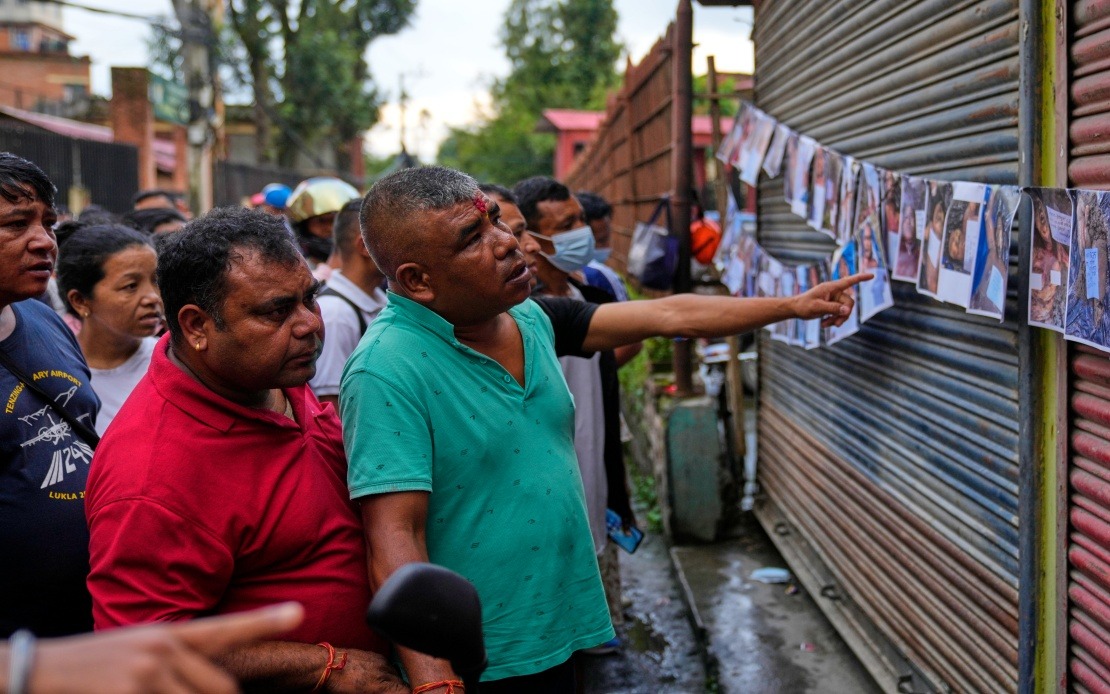
The catastrophic flooding that devastated Nepal's northern regions on Wednesday morning has evolved into a sprawling humanitarian emergency, with search and rescue teams pressing forward on their third consecutive day of operations as the confirmed death toll climbed past 500 individuals. The scale of the calamity, triggered when a Himalayan glacier collapsed and unleashed torrential water down the Bhote Koshi River system, continues to grow as recovery teams access more remote areas and morgues struggle with identification and storage capacity.
For Malaysia, the crisis has created an urgent consular challenge. As of Friday afternoon, two of 57 Malaysians previously reported missing had been traced, yet 55 nationals remained unaccounted for according to the Foreign Ministry Deputy Secretary-General for Bilateral Affairs, Datuk Syed Mohamad Hasrin Tengku Hussin. These figures remain provisional, pending confirmation from Nepalese authorities and coordinating agencies on the ground, introducing an element of uncertainty into the accountability process that will likely persist until systematic verification is complete.
The magnitude of the missing persons crisis extends well beyond Malaysia's borders. Nepal's tourism authorities released an official roster late Thursday containing the names, ages, and nationalities of 537 foreign nationals from over 30 countries reported as out of contact, with Malaysians comprising 51 of that total. The Department of Tourism, operating under Nepal's Ministry of Culture, Tourism, and Civil Aviation, compiled the register to facilitate international coordination and family notifications, illustrating how this regional disaster has assumed global dimensions affecting multiple nations simultaneously.
The flooding mechanism itself underscores the environmental vulnerabilities of the Himalayan region. The glacial collapse released a concentrated surge of water and debris that swept down the Bhote Koshi before merging with the Trishuli River system, destroying critical infrastructure including roads, bridges, and buildings across multiple districts. Communities positioned downstream experienced cascading impacts as the floodwaters propagated through connected river networks, leaving some settlements entirely severed from external access and complicating both rescue efforts and the delivery of humanitarian assistance.
Nepalese authorities have reported rescuing 121 foreign nationals from the affected area, though notably none have yet been identified as Malaysian citizens among this rescued cohort. This disparity raises questions about the geographic distribution of casualties and the varying vulnerability profiles of different groups caught in the disaster zone. The absence of Malaysians among those successfully extracted thus far intensifies concerns about the status of those still unlocated, particularly those known to have been in the region when waters rose.
Malaysia's response has escalated to the highest levels of government. Prime Minister Datuk Seri Anwar Ibrahim has indicated that Malaysia stands ready to provide meaningful assistance to Nepal, envisioning support that could encompass either financial contributions or the deployment of specialized rescue personnel. The National Security Council maintains active dialogue with Nepalese government officials to calibrate the form and timing of Malaysian intervention, recognizing that effective assistance requires coordination with host-nation authorities and assessment of actual operational requirements on the ground.
One critical component of Malaysia's potential response involves the Malaysian Special Search and Rescue Team, commonly known as SMART. This specialized unit represents a significant asset in international humanitarian response, though its deployment would require formal coordination and approval from Nepal's government. The strategic positioning of this capability signals Malaysia's capacity to contribute meaningfully beyond diplomatic expression, though logistical and diplomatic considerations will ultimately determine whether active deployment proceeds.
The recovery operation faces mounting complications as bodies are discovered in districts far downstream from the initial impact zone. Identification procedures have become a critical bottleneck, with authorities struggling to match remains to missing persons reports, particularly as decomposition advances in the warm climate. Morgue facilities across multiple districts are operating beyond design capacity, forcing emergency protocols for body storage and creating additional obstacles for grieving families seeking to locate deceased relatives and arrange final rites.
For Malaysian officials coordinating from Kuala Lumpur, the verification challenge extends beyond simply confirming survival or death. The Foreign Ministry maintains an active program to determine the current status and location of Malaysians within the affected zones, requiring ongoing communication with hospitals, temporary shelters, and coordination centres. The provisional nature of the casualty figures reflects the chaotic conditions prevailing in disaster zones where communication infrastructure has been compromised and population movements remain fluid.
The broader implications for Southeast Asian regional security and disaster preparedness merit consideration. Nepal's experience demonstrates how natural phenomena in the Himalayan massif can rapidly generate transnational humanitarian crises affecting citizens and communities across Asia. The disaster has activated multilateral response mechanisms and exposed the interdependencies of modern tourism and cross-border movement, wherein nationals from multiple continents can become simultaneously vulnerable to environmental catastrophes. For Malaysia and the wider region, the unfolding situation reinforces the importance of maintaining robust disaster response capabilities and international coordination mechanisms.
Looking forward, the Malaysian government's coordinating role will likely expand as more information emerges and assistance modalities are finalized. The ongoing verification process regarding Malaysian nationals remains the immediate priority, with families and employers anxiously awaiting definitive information. Concurrently, Malaysia's positioning as a potential bilateral assistance provider reflects both humanitarian obligation and the pragmatic recognition that effective international response to transnational disasters strengthens regional stability and mutual aid relationships.

