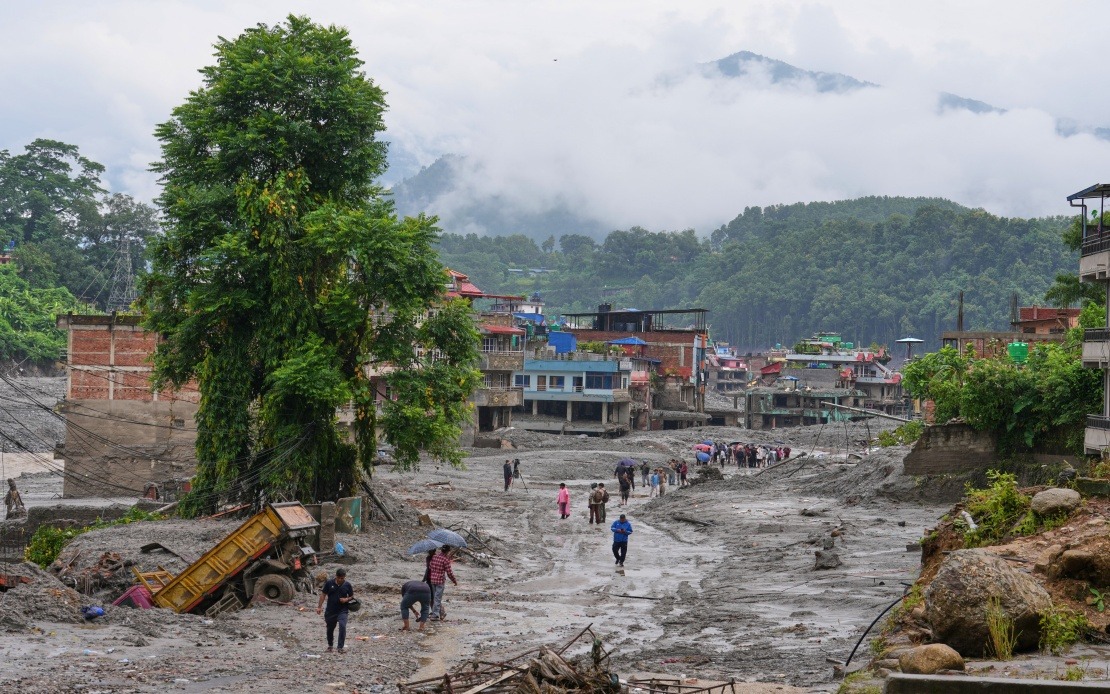
Nepal faces one of its most devastating natural disasters in recent years as the confirmed death toll from catastrophic mudslides climbed to 675 by Saturday evening, with nearly 2,500 people still unaccounted for. The National Disaster Risk Reduction and Management Authority released the grim figures at 6:30 pm local time, underscoring the scale of destruction across multiple districts after heavy monsoon rains triggered widespread geological instability across the country's mountainous terrain.
The tragedy has assumed international dimensions, with the tourism sector severely impacted. According to Nepal's Department of Tourism operating under the Culture, Tourism and Civil Aviation Ministry, approximately 753 visitors had lost contact with authorities as of 5:30 pm on Saturday, with 589 identified as foreign nationals. This figure highlights the vulnerability of trekkers and holiday-makers who venture into Nepal's Himalayan regions during peak tourist season, many of whom find themselves isolated when infrastructure collapses and communication lines fail during environmental emergencies.
Three districts have been particularly afflicted by the disaster: Rasuwa, Nuwakot, and Dhading. These mountainous regions, popular destinations for international trekking expeditions and adventure tourism, have been rendered largely inaccessible due to landslides, destroyed roads, and blocked passages. The geography that makes these areas attractive to visitors—steep slopes, high elevation, and remote valleys—simultaneously makes them dangerously susceptible to rapid-onset disasters when meteorological conditions destabilise soil and rock formations.
For Malaysian travellers and businesses with interests in Nepal, the situation carries particular relevance. Nepal attracts significant numbers of Malaysian tourists annually, particularly those seeking high-altitude trekking experiences or spiritual tourism centred on Buddhist and Hindu pilgrimage sites. The current crisis underscores the unpredictability of natural hazards in mountainous destinations and serves as a reminder of the importance of travel insurance, regular communication with family members, and adherence to official warnings from local authorities during monsoon seasons.
The Kathmandu District Administrative Office moved swiftly to mobilise domestic relief efforts, issuing an urgent appeal on Saturday for donations from various community organisations, institutions, commercial enterprises, and private citizens throughout the capital. This call for grassroots support reflects the scale of humanitarian need and the strain placed on government resources during such catastrophic events. Relief supplies directed toward affected communities in the three worst-hit districts remain critically needed as rescue teams operate under challenging conditions.
Monsoon-related disasters have become increasingly severe in Nepal over the past two decades, reflecting both climatic patterns and developmental pressures in vulnerable regions. Unauthorised construction, deforestation, and poor land-use planning have amplified the destructive potential of heavy rainfall in areas where geological conditions already predispose slopes to failure. Scientists and disaster management experts have warned that climate change may intensify monsoon precipitation in South Asia, potentially increasing the frequency and severity of such calamities.
For regional observers in Southeast Asia, Nepal's disaster offers sobering lessons about disaster preparedness and early warning systems. Countries across the region—including Malaysia, which faces its own monsoon hazards—invest heavily in meteorological monitoring and geological assessment. However, the translation of scientific warning into effective public action remains challenging, particularly in remote areas where communication infrastructure is limited and community evacuation options are restricted.
The missing persons figure of 2,498 suggests that many victims may remain buried beneath debris or stranded in isolated locations awaiting rescue. Coordinating multinational search and rescue operations presents enormous logistical challenges, particularly when access roads are destroyed and weather conditions remain unstable. The presence of significant numbers of foreign nationals among the missing has prompted diplomatic engagement, with several countries likely coordinating with Nepal's government to locate and extract their citizens.
The catastrophe carries implications for Nepal's tourism industry, which represents a vital economic pillar. International travellers may reconsider trekking itineraries and mountain destinations in the immediate aftermath of this disaster, affecting rural communities dependent on tourism revenue. The economic fallout will likely extend beyond the tourism sector to affect broader foreign investment confidence and development initiatives in affected regions.
As rescue operations continue, the international community has begun mobilising humanitarian assistance. The coordination of foreign aid, provision of medical supplies, and deployment of search and rescue teams requires careful management through Nepal's disaster response framework and diplomatic channels. Regional countries and international organisations typically play supporting roles, respecting Nepal's sovereignty while facilitating resource transfers that accelerate recovery efforts.
The monsoon season typically continues through September in Nepal, meaning additional rainfall poses ongoing risks for secondary disasters such as flash floods and cascading landslides. Meteorological forecasts will remain critical in the coming weeks as authorities attempt to prevent further casualties and guide displaced populations toward safer areas. The immediate priority centres on locating survivors, providing emergency medical care, and establishing temporary shelter and food distribution systems for those rendered homeless.

