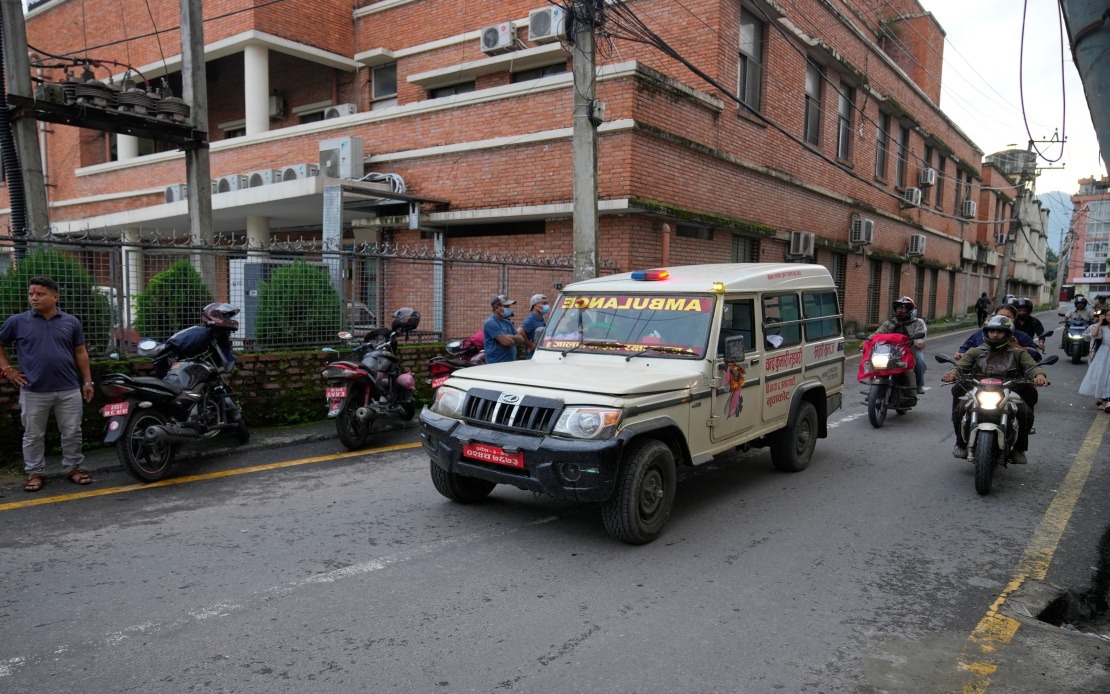
A catastrophic flooding event in Nepal triggered by the collapse of a Himalayan glacier has prompted an international rescue effort, with authorities confirming the safe evacuation of 121 foreign nationals by Friday evening as the disaster's full scale becomes apparent. The coordinated response highlights both the scale of the emergency and the complexities of managing a large-scale natural disaster across international borders, presenting significant challenges for regional cooperation and humanitarian coordination in South Asia.
According to Nepal's tourism ministry, the rescued foreigners represent a diverse mix of nationalities, with 85 Indians accounting for the largest group, followed by 16 Chinese nationals and nine South Koreans. The remaining rescued individuals include two citizens each from the United States, Russia, and Italy, alongside single nationals from Belgium, Bulgaria, Portugal, Spain, and Switzerland. This international composition reflects the region's popularity among trekkers and pilgrims exploring the Himalayan landscape, though it also underscores the vulnerability of tourists to sudden natural hazards in mountainous terrain.
The flooding occurred when both the Bhote Koshi and Trishuli rivers burst their banks following Wednesday's glacial collapse, an event that has claimed approximately 550 lives across Nepal and China. The disaster represents one of the region's most severe natural calamities in recent years, demonstrating the increasing risks posed by environmental instability in the Himalayan system. As climate patterns shift, such glacial failures may become more frequent, raising critical questions about disaster preparedness and early warning systems throughout the mountain range.
Nepalese authorities face mounting logistical difficulties in managing the aftermath, particularly in identifying victims and establishing adequate storage facilities for recovered bodies. Hospitals in the key affected areas of Chitwan and Pokhara are overwhelmed and operating beyond capacity, forcing officials to seek alternative arrangements and complicating the identification process for bereaved families across multiple countries. This infrastructure constraint reflects the challenges faced by developing nations when confronting disasters of this magnitude and underscores the importance of international support mechanisms.
Search and rescue teams continue systematic operations across downstream areas where both survivors and victims may be located. These efforts remain dangerous and challenging, as swollen waterways and unstable terrain complicate access to affected communities. The scale of missing persons—hundreds according to initial reports—suggests that rescue operations may continue for weeks as teams expand their search parameters.
India, which shares significant historical and cultural ties with Nepal, has mobilised a substantial humanitarian response. New Delhi has dispatched two shipments of relief materials totalling 47.5 tonnes, with additional assistance planned for dispatch on Friday. However, Indian officials report that approximately 320 Indian nationals remain unaccounted for, creating anxiety among families and prompting intensive coordination between governments. The situation is further complicated by the presence of approximately 100 individuals holding Indian passports of foreign origin, who may have been on pilgrimage to Kailash Mansarovar in the Xizang region of China at the time of the disaster.
Among the Indian nationals directly affected, 63 workers employed on the Trishuli hydropower project were confirmed safe, while 21 rescued individuals have already been transported to India. Additionally, around 400 Indian nationals in the Chinese region of Xizang were confirmed to be safe, though verification processes remain ongoing. These details are significant for Malaysia, as the incident demonstrates how major infrastructure projects in the Himalayan region face environmental vulnerabilities that can disrupt development timelines and endanger international workforces.
Nepal's political leadership has convened to address the emergency, with Prime Minister Balendra Shah chairing a Cabinet meeting on Friday to review disaster response efforts. In a notable gesture of solidarity, Shah and his Cabinet colleagues announced their commitment to contribute one month's salary to the Prime Minister's Natural Disaster Relief Fund, signalling political engagement with recovery efforts and demonstrating the national priority attached to the crisis.
Regional governments have quickly mobilised diplomatic support, with Pakistan Prime Minister Shehbaz Sharif telephoning his Nepalese counterpart to express condolences and announce Pakistan's dispatch of emergency assistance. This coordinated regional response reflects the shared vulnerability of South Asian nations to natural disasters and reinforces the principle of mutual aid during humanitarian crises.
For Malaysia and Southeast Asia, this disaster carries important implications for understanding climate-related risks affecting the broader Asian region. The incident illustrates how glacial instability in the Himalayas can trigger cascading effects across international borders, affecting populations and infrastructure far downstream. As environmental conditions continue to evolve, nations throughout Asia must strengthen disaster preparedness systems, enhance cross-border coordination mechanisms, and invest in early warning technologies. The Nepal flooding also serves as a stark reminder that tourism infrastructure and workers in mountainous regions remain vulnerable to sudden environmental shifts, requiring comprehensive risk assessments and contingency planning for nationals abroad.

